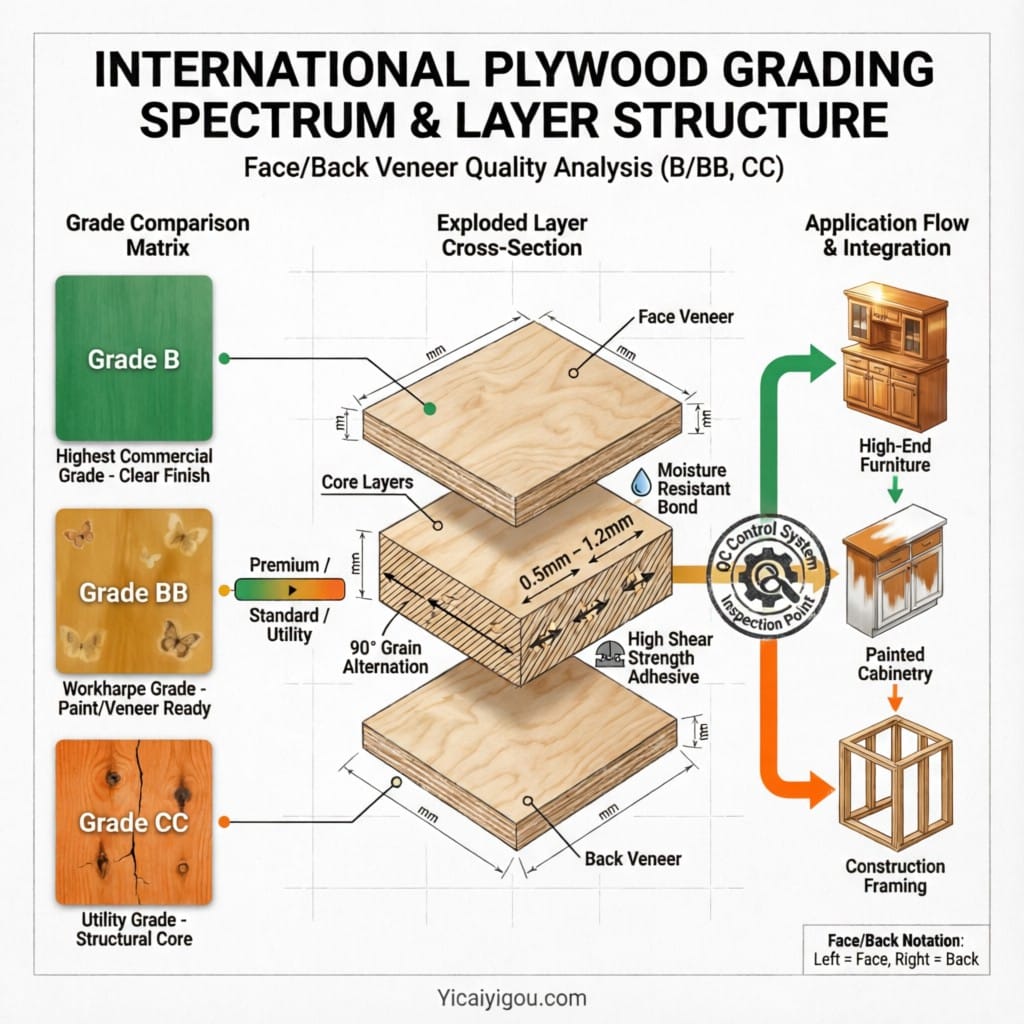
| Specification Category | Key Metric / Standard | Impact on Procurement & Compliance |
|---|---|---|
| Surface Durability | Melamine Paper Texture & Abrasion Resistance | Determines longevity in high-traffic retail fixtures; reduces return rates due to wear. |
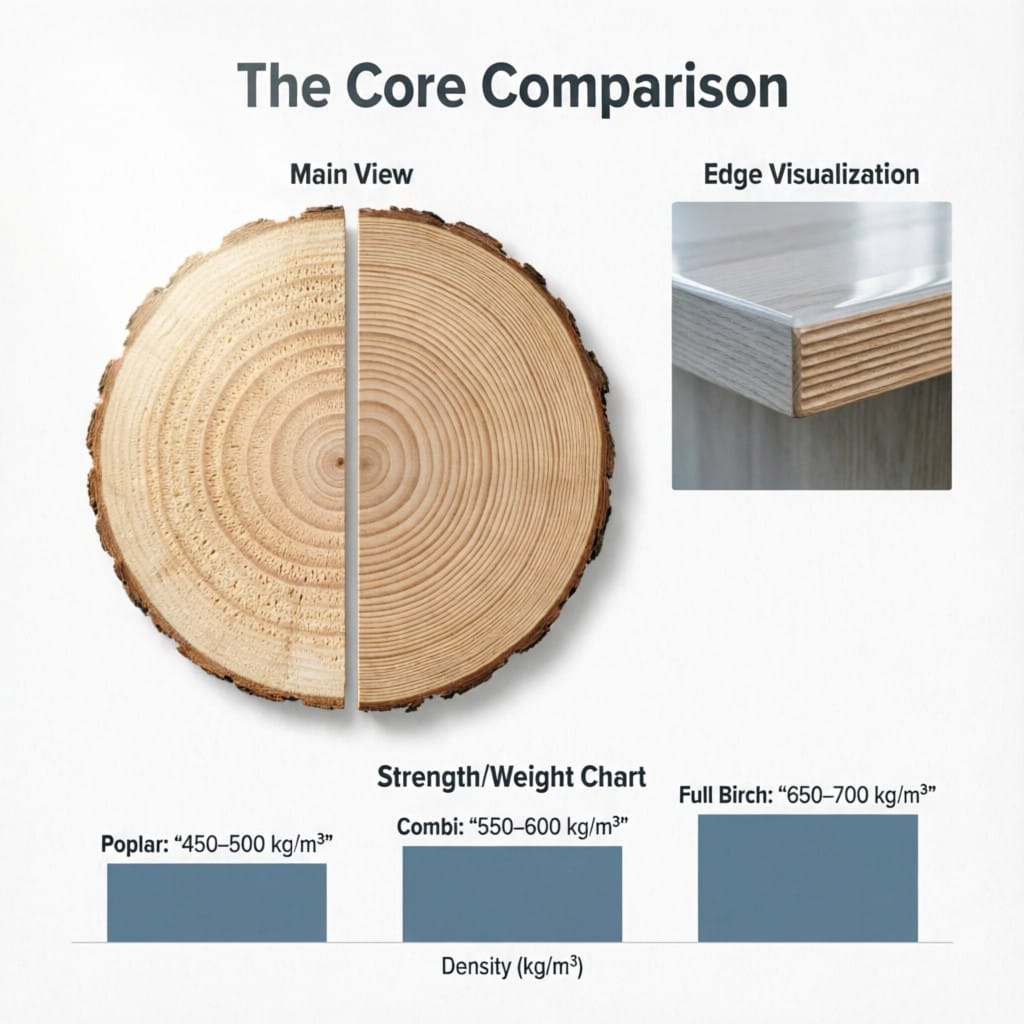
| Core Substrate | Precision MDF Density (600-800 kg/m³) | Ensures structural stability and proper bonding with decorative layers; critical for preventing delamination. |
| Environmental Compliance | Formaldehyde Emission Standards | Mandatory for indoor air quality; non-compliance risks customs delays and regulatory penalties. |
| Regulatory Traceability | EU Deforestation Regulation (EUDR) | Requires rigorous tracking from timber source to chemical composition; effective December 30, 2024. |
| Strategic Value | Surface-Core Interplay | Aligning melamine impregnation with core density mitigates risk in high-volume sourcing beyond simple price per sheet. |
The aesthetic appeal of modern furniture relies heavily on surface finish, but for procurement managers and engineers, the true metric of value lies in the resilience of melamine paper texture durability specs. As supply chains tighten under new environmental regulations, understanding how decorative layers interact with core substrates like MDF and plywood is no longer just a design concern—it is a critical compliance and longevity issue. This article breaks down the technical relationship between surface abrasion resistance and formaldehyde emission standards, providing data-driven insights to mitigate risk in high-volume sourcing.
The Shift Toward High-Performance Surfaces
In recent years, major retailers like IKEA and tech giants like Apple have raised the bar for surface integrity in retail fixtures and packaging. The demand has shifted from simple visual replication of wood grain to surfaces that withstand high-traffic wear while maintaining strict indoor air quality standards. For supply chain decision-makers, this means that selecting a vendor is not just about price per sheet, but about verifying that the melamine impregnation process aligns with the structural density of the core board.
This evolution matters right now because the EU Deforestation Regulation (EUDR), effective December 30, 2024, requires rigorous traceability that extends beyond the timber source to the chemical composition of the final product. Buyers who fail to align surface durability with core stability face higher return rates and potential customs delays. By understanding the interplay between melamine wear layers and substrate density, procurement teams can secure materials that meet both aesthetic and regulatory demands without costly rework.
Technical Specifications for Surface and Core
When evaluating melamine-faced boards, the durability of the paper is only as good as the substrate it bonds to. Yicaiyigou utilizes Precision MDF with a density range of 600-800 kg/m³ and High-Density Particleboard ranging from 550-750 kg/m³ to ensure optimal adhesion. For applications requiring superior screw holding and edge machining, HDF with densities exceeding 800 kg/m³ up to 1,000+ kg/m³ is preferred. These density metrics are critical because low-density cores can lead to surface telegraphing, where imperfections in the board become visible through the melamine layer over time.
Formaldehyde emissions are equally tied to material performance. While E1 standards allow ≤0.124 ppm, premium projects increasingly require E0 (≤0.07 ppm) or the stricter ENF standard (≤0.05 mg/L). CARB P2 compliance, which mandates ≤0.11 ppm for composites, remains a baseline for North American imports. It is essential to note that Japan JAS F★★★★ standards specify ≤0.3 mg/L using the JIS A 1460 desiccator method, a distinct testing protocol that buyers must specify when targeting Asian markets.
Comparative Analysis: Standard vs. High-Performance Melamine
To make informed sourcing decisions, engineers must compare standard melamine finishes against high-performance industrial laminates. The following table outlines key measurable differences in wear resistance, thickness, and application suitability.
| Feature | Standard Melamine Finish | High-Performance Industrial Laminate |
|---|---|---|
| Abrasion Resistance | 400-600 revolutions (EN 438-2) | 900-1,200+ revolutions (EN 438-2) |
| Paper Weight | 70-80 gsm | 100-120 gsm |
| Resin Content | 50-60% phenolic/melamine mix | 65-70% pure melamine resin |
| Thickness Tolerance | ±0.2 mm | ±0.1 mm |
| Surface Hardness | 2H pencil hardness | 3H-4H pencil hardness |
| Moisture Swell | 12-15% (24h immersion) | 8-10% (24h immersion) |
| Core Density Match | 550-650 kg/m³ particleboard | 700-800+ kg/m³ MDF/HDF |
| Formaldehyde Class | E1 (≤0.124 ppm) | ENF (≤0.05 mg/L) / CARB P2 |
The data indicates that while standard melamine is cost-effective for low-traffic internal components, high-performance laminates bonded to denser cores offer significantly better longevity. The increased resin content in premium papers enhances cross-linking, which directly improves resistance to scratches and chemicals. For export-grade furniture, the tighter thickness tolerance of ±0.1 mm ensures consistent CNC machining results, reducing waste during production.
Industry Applications with Real Specifications
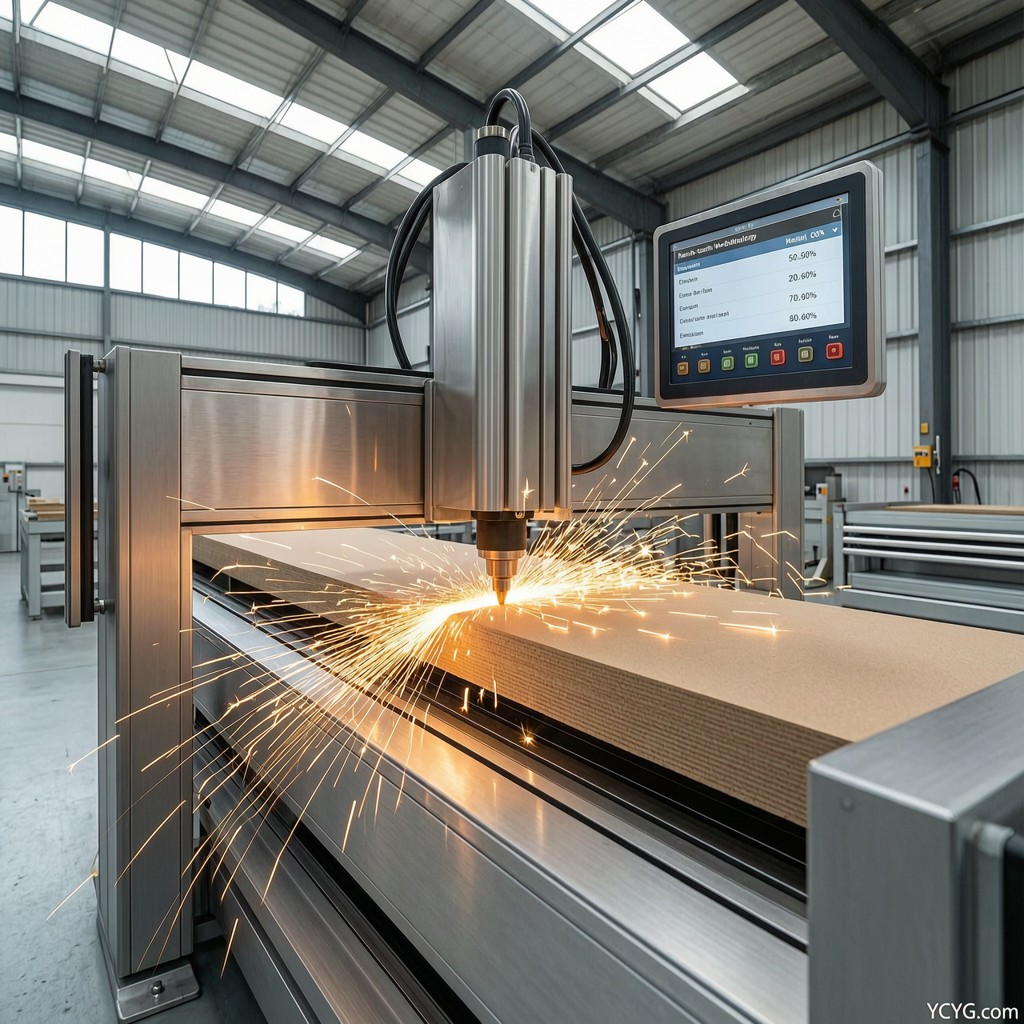
Yicaiyigou supplies Precision MDF and Structural Plywood tailored for specific industrial needs. For a furniture maker exporting to the EU, our FSC-certified MDF with ENF ≤0.05 mg/L eliminates compliance risk at customs while supporting high-gloss melamine finishes that require flawless substrates. The standard size of 2440x1220mm allows for efficient nesting on CNC routers, maximizing yield for cabinet doors and shelving units.
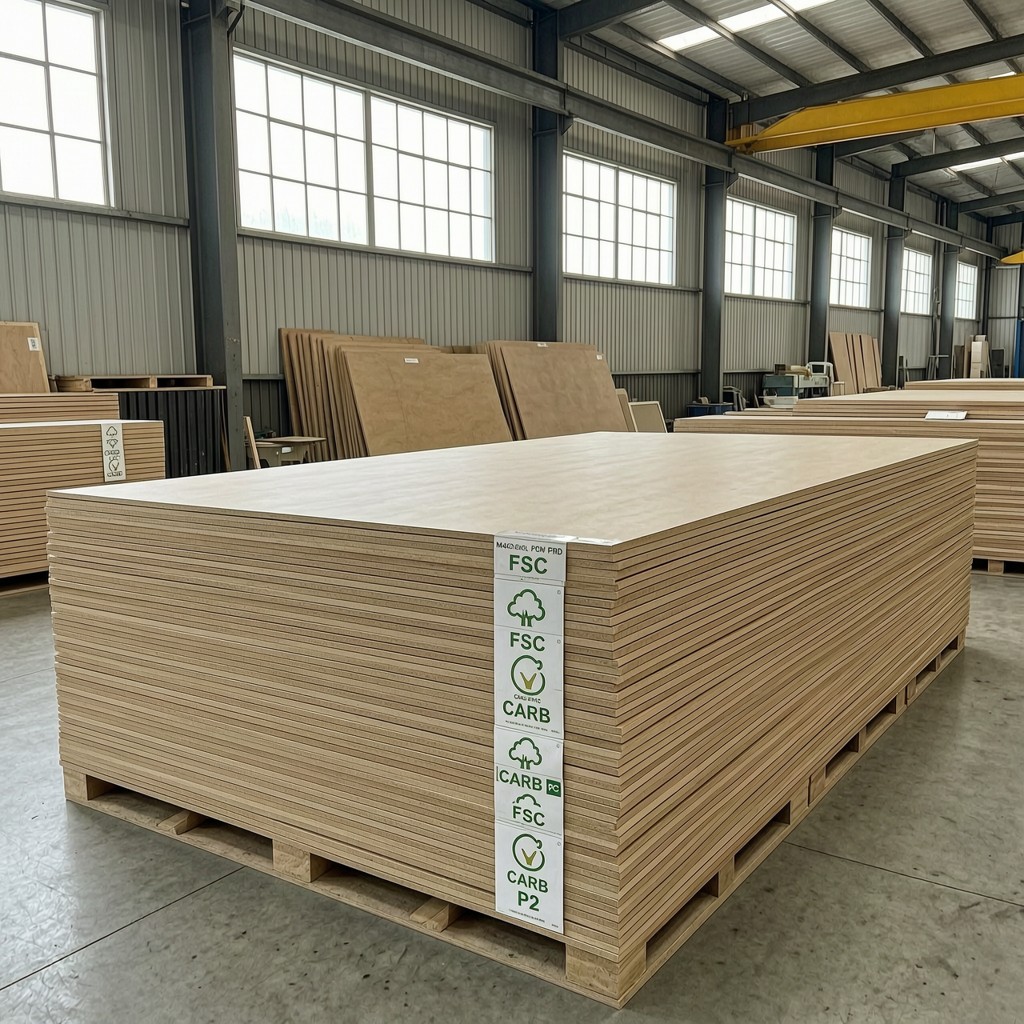
In the commercial fit-out sector, High-Density Particleboard (550-750 kg/m³) is often specified for workstations and retail displays. When paired with melamine paper featuring 900+ revolution abrasion resistance, these boards withstand the rigors of daily use in high-traffic environments. For projects requiring extreme durability, such as laboratory benches or educational furniture, HDF with densities over 800 kg/m³ provides the necessary structural integrity to support heavy loads without sagging.
Supplier Solution: Yicaiyigou’s Compliance Edge
Yicaiyigou distinguishes itself through rigorous adherence to international standards and transparent supply chain documentation. Our products carry FSC, CARB P2, CE, and ENF certifications, ensuring that every batch meets global regulatory requirements. We provide full Chain of Custody (CoC) documentation, which is essential for verifying compliance with the upcoming EUDR mandates. This traceability gives procurement managers confidence that their materials are sourced responsibly and manufactured to precise specifications.
Our logistics framework is optimized for efficiency, with a 20ft container holding 20-25 m³ and a 40ft container accommodating 45-50 m³ of material. With a minimum order quantity (MOQ) of one 20ft container and a lead time of 15-25 days, we balance volume capacity with rapid deployment. Whether you require E0 (≤0.07 ppm) for sensitive indoor environments or CARB P2 compliant boards for North American markets, Yicaiyigou delivers consistent quality backed by verifiable test reports.
FAQ
What is the difference between E0 and ENF formaldehyde standards?
E0 limits formaldehyde to ≤0.07 ppm, while the stricter ENF standard limits it to ≤0.05 mg/L, making ENF the preferred choice for highly regulated markets like the EU and China.
How does board density affect melamine durability?
Higher density substrates like HDF (>800 kg/m³) provide a smoother surface for melamine bonding, reducing the risk of telegraphing and improving screw-holding strength compared to lower density particleboard.
What is the typical lead time for custom melamine orders?
Yicaiyigou typically offers a lead time of 15-25 days for standard sizes, depending on order volume and specific finish requirements.
Can Yicaiyigou provide Chain of Custody documentation?
Yes, we provide full FSC Chain of Custody (CoC) documentation for all certified products, ensuring traceability from forest to finished board.
What container capacity should I plan for?
A 20ft container holds approximately 20-25 m³ of material, while a 40ft container can accommodate 45-50 m³, allowing for efficient bulk shipping.
Summary & Next Steps
Selecting the right melamine-faced board requires balancing surface durability with core density and regulatory compliance. By prioritizing ENF or CARB P2 certified materials from a transparent supplier, buyers can mitigate risk and ensure product longevity. Request a compliant material sample with full CoC documentation from Yicaiyigou to verify density and emission specs for your next project.
Frequently Asked Questions
Why is the interaction between decorative layers and core substrates considered a critical compliance issue?
It is a critical compliance issue because new environmental regulations, such as the EU Deforestation Regulation (EUDR) effective December 30, 2024, require rigorous traceability that extends beyond timber sources to the chemical composition of the final product. Misalignment between surface durability and core stability can lead to higher return rates and customs delays.
What are the recommended density ranges for MDF and HDF to ensure optimal adhesion and prevent surface telegraphing?
Precision MDF should have a density range of 600-800 kg/m³, while High-Density Particleboard ranges from 550-750 kg/m³. For applications requiring superior screw holding and edge machining, HDF with densities exceeding 800 kg/m³ up to 1,000+ kg/m³ is preferred to prevent imperfections from becoming visible through the melamine layer.
How do formaldehyde emission standards differ between E1, E0, ENF, and Japan JAS F★★★★?
E1 standards allow ≤0.124 ppm, E0 allows ≤0.07 ppm, and the stricter ENF standard allows ≤0.05 mg/L. Japan JAS F★★★★ specifies ≤0.3 mg/L using the JIS A 1460 desiccator method, which is a distinct testing protocol buyers must specify for Asian markets.
What are the key differences in abrasion resistance and resin content between Standard Melamine Finish and High-Performance Industrial Laminate?
Standard Melamine Finish has an abrasion resistance of 400-600 revolutions (EN 438-2) and a resin content of 50-60% phenolic/melamine mix. In contrast, High-Performance Industrial Laminate offers 900-1,200+ revolutions of abrasion resistance and a higher resin content of 65-70% pure melamine resin.
What risks do procurement teams face if they fail to align surface durability with core stability?
Procurement teams face higher return rates, potential customs delays due to non-compliance with regulations like EUDR, and costly rework. Additionally, low-density cores can cause surface telegraphing, where board imperfections become visible over time, compromising the product’s aesthetic and longevity.