| Product Type | Density Range (kg/m³) | Primary Transit Risk | Critical Mitigation Protocol | Rejection Consequence |
|---|---|---|---|---|
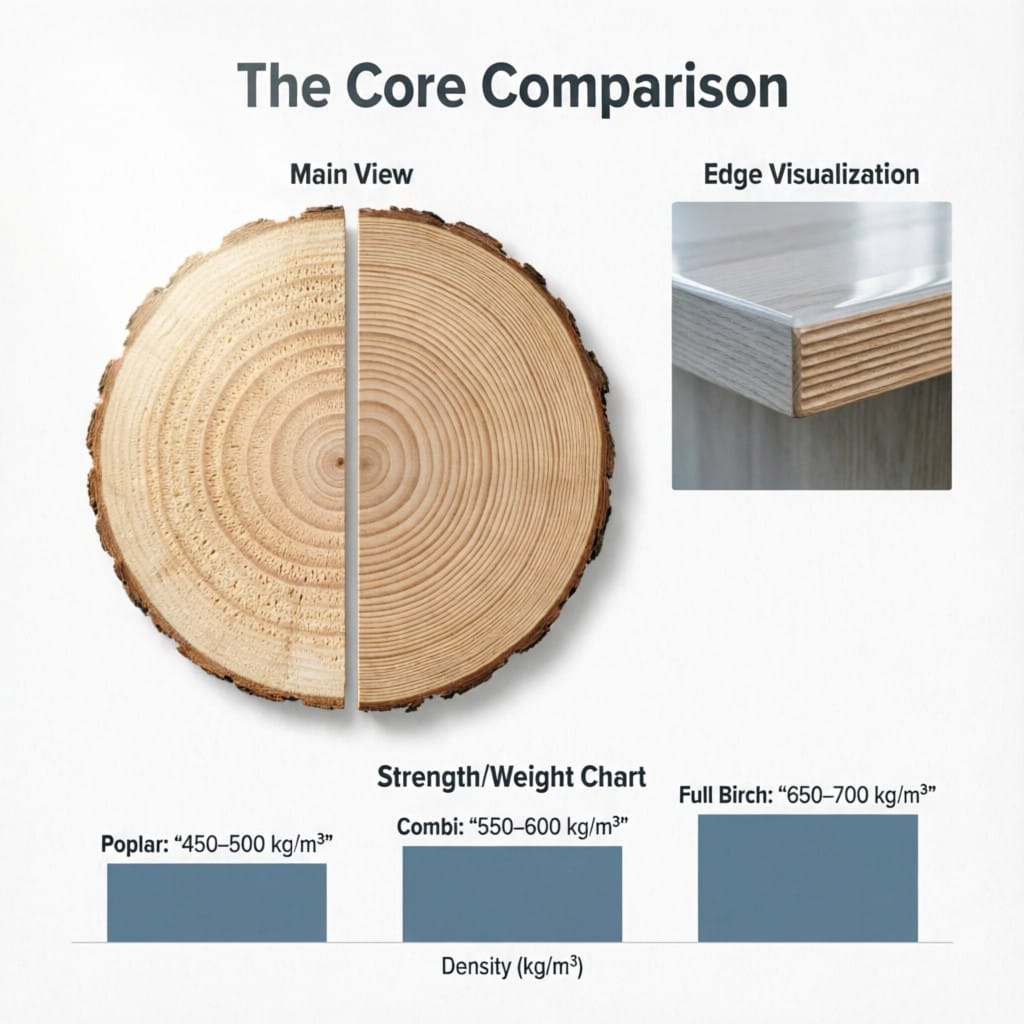
| Precision MDF | 550 – 750 | Hygroscopic swelling at exposed edges | Maintain <60% RH with high-volume desiccants | Irreversible edge swelling |
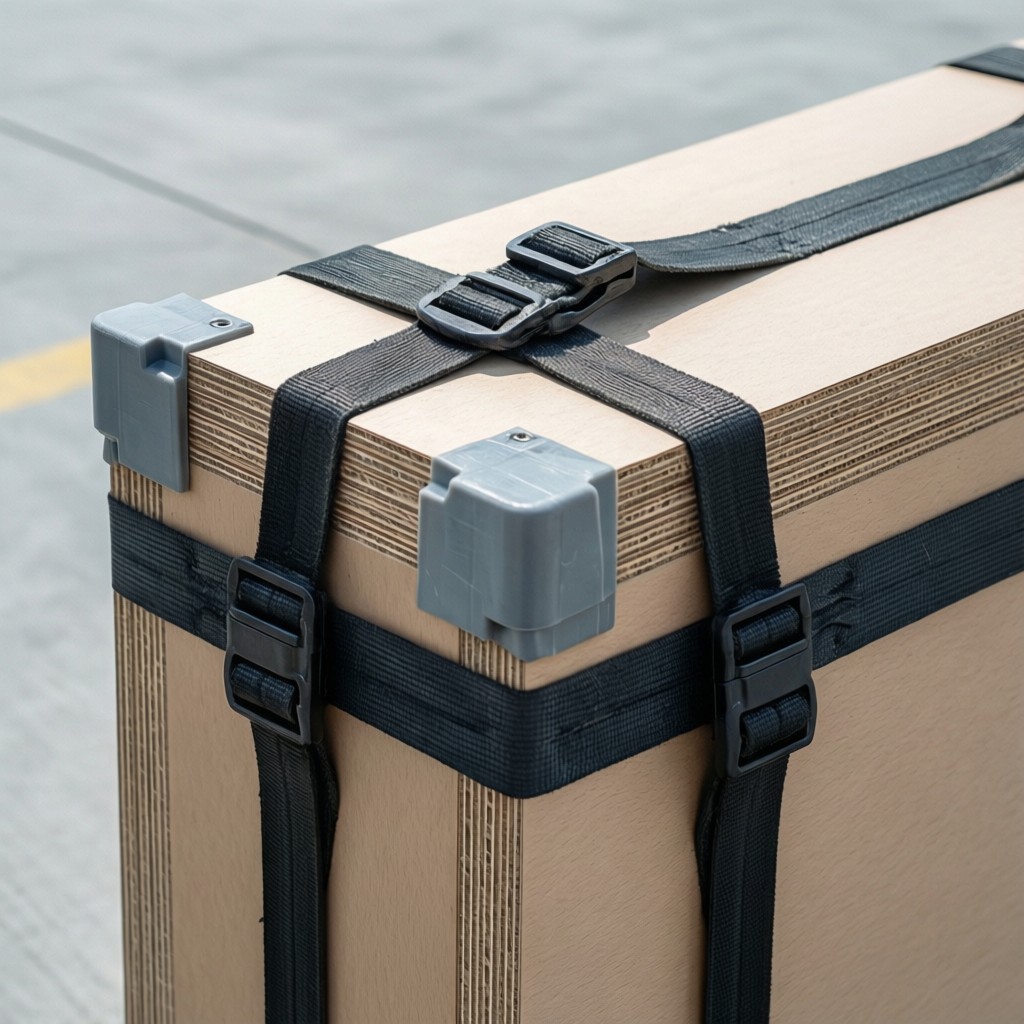
| Structural Plywood | 600 – 800 | Corner crushing from dynamic G-forces | Integration of load-securing hardware in packaging | Structural integrity failure |
| High-Density Particleboard | 700 – 1,000+ | Moisture-induced warping and condensation damage | Protection against container steel condensation points | Surface warping and batch rejection |
Lumber exporters face a silent crisis where 15-20% of shipment revenue is lost to rejected panels caused by moisture-induced warping and corner crushing during ocean transit. This article details the engineering protocols required to secure Precision MDF, Structural Plywood, and High-Density Particleboard, ensuring your cargo arrives in pristine condition. By integrating specific load-securing hardware directly into the packaging workflow, supply chain managers can eliminate dynamic G-force damage and condensation risks.
The Hidden Cost of Dynamic G-Forces in Ocean Freight
Most procurement guides focus exclusively on wood grading standards like NHLA rules, ignoring the physical realities of maritime logistics. A standard 40-foot high-cube container holding 45-50 m³ of panel products is subjected to constant lateral shifting and vertical compression as vessels navigate rough seas. When buyers at major firms like IKEA or Apple evaluate suppliers, they are not just assessing material quality but logistical reliability. If your panels arrive with crushed corners or humidity-induced swelling, the entire batch may be rejected regardless of its FSC or CARB P2 certification status.
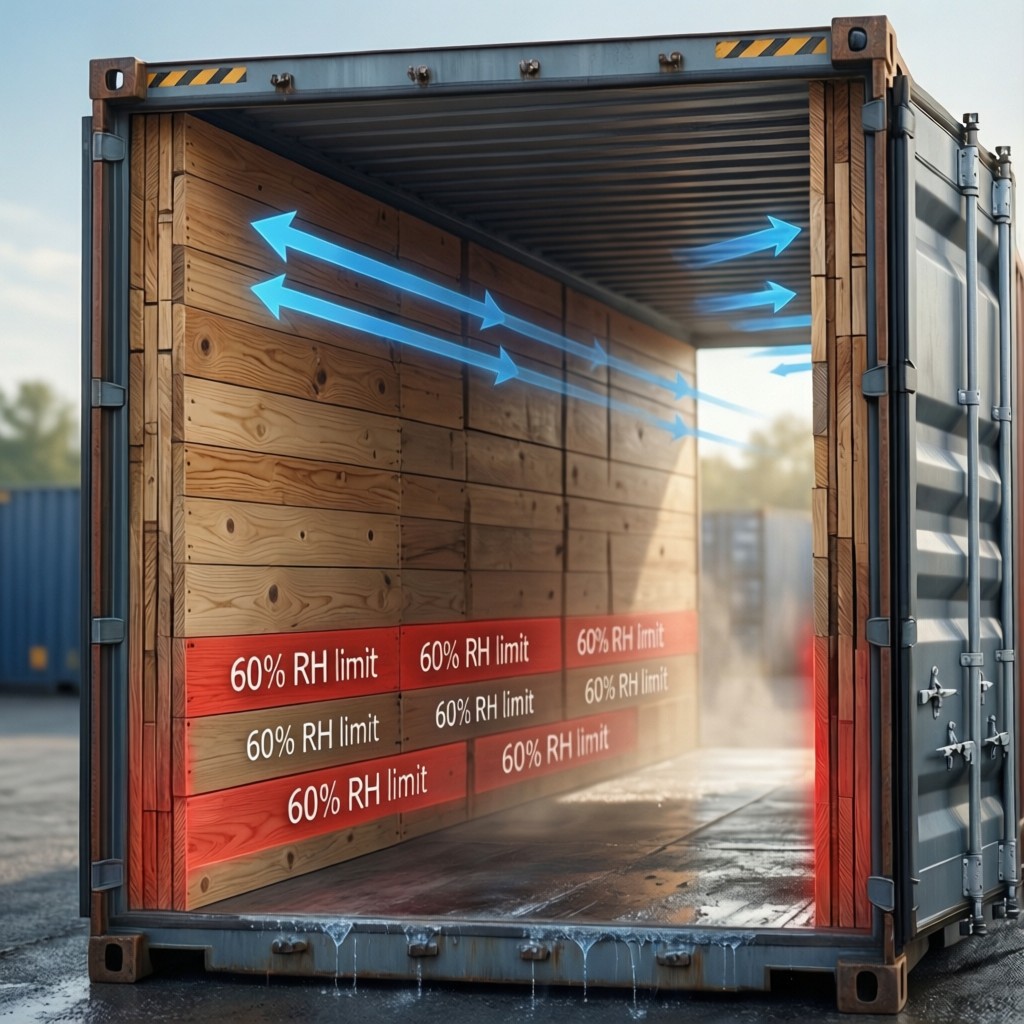
The critical gap in most shipping strategies is the failure to account for the interaction between container steel condensation points and untreated lumber ends. As temperatures fluctuate during transit, moisture accumulates on the container walls and drips onto exposed panel edges, causing irreversible swelling in MDF and particleboard. To prevent this, you must maintain container humidity below 60% RH using desiccants rated for 40-foot high-cube volumes. This specific threshold prevents the hygroscopic absorption that leads to warping in materials with densities ranging from 550 kg/m³ to 1,000+ kg/m³.
Engineering the Load: Critical Specifications for Panel Integrity
To guarantee arrival condition, engineers must treat the container as a dynamic structural environment rather than a static storage box. The following specifications are non-negotiable for preventing damage to Precision MDF and Structural Plywood during transit.
- Vertical Stack Limits: Limit vertical stack height to 8 feet to prevent bottom-layer compression exceeding 50 PSI. Exceeding this limit causes permanent deformation in High-Density Particleboard (density 550-750 kg/m³) and MDF (density 600-800 kg/m³).
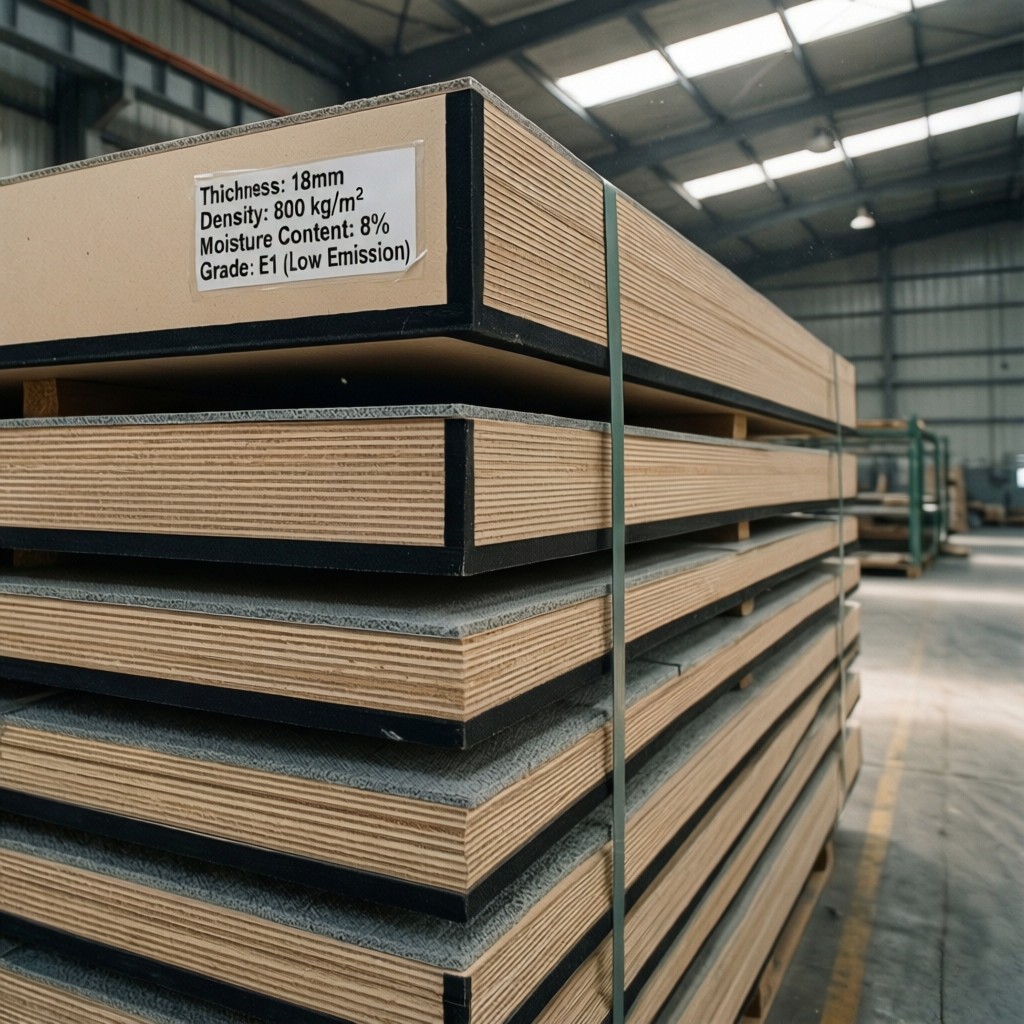
- Edge Protection Standards: Apply edge protectors with a minimum crush resistance of 450 lbs per linear inch on stack corners. This protects against the lateral forces generated when the vessel rolls, which can otherwise chip the precise 2440x1220mm edges.
- Friction Control: Use friction mats with a coefficient of friction ≥ 0.6 to prevent lateral shifting during vessel roll. Without this grip, even tightly strapped loads can slide, causing catastrophic corner crushing against the container doors.
| Specification | Standard Practice | Yicaiyigou Engineering Standard | Impact on Panel Integrity |
|---|---|---|---|
| Container Humidity | Uncontrolled / Ambient | < 60% RH with specialized desiccants | Prevents MDF swelling & warping |
| Edge Protector Strength | Generic Foam / Cardboard | ≥ 450 lbs/linear inch crush resistance | Eliminates corner crushing damage |
| Max Stack Height | Floor-to-Ceiling | Max 8 feet vertical stack | Keeps bottom layer compression < 50 PSI |
| Friction Coefficient | None / Plastic Sheeting | ≥ 0.6 coefficient of friction mats | Stops lateral shifting during roll |
| Panel Density Range | Variable | MDF 600-800 kg/m³; HDF >800 kg/m³ | Ensures structural consistency under load |
| Formaldehyde Emission | E1 / E2 | ENF ≤0.05 mg/L; CARB P2 ≤0.11 ppm | Meets strict EU/US compliance on arrival |
| Container Volume | Approximate | 20ft: 20-25 m³; 40ft: 45-50 m³ | Optimizes space without over-compression |
| Lead Time | 30-45 Days | 15-25 Days | Reduces exposure time to maritime humidity |
The key takeaway is that standard packaging is insufficient for high-density materials. By enforcing a 50 PSI compression limit and using high-friction interfaces, you neutralize the kinetic energy transferred from the ship to the cargo.
Real-World Application: Securing High-Density Materials
Consider a furniture manufacturer exporting High-Density Fiberboard (HDF) with a density exceeding 800 kg/m³ to the European market. Under EUDR regulations effective December 30, 2024, compliance is mandatory, but physical condition is equally critical for customs clearance. If the HDF panels suffer edge damage due to poor stacking, they cannot be used for precision machining, leading to immediate rejection.
Yicaiyigou addresses this by integrating load-securing hardware directly into the packaging workflow. For a standard 20ft container holding 20-25 m³ of product, we utilize custom-sized friction mats that interlock with the pallet base. This ensures that even if the container experiences significant G-forces, the 2440x1220mm panels remain stationary. Furthermore, our Structural Plywood is packaged with edge protectors specifically tested to withstand 450 lbs per linear inch, ensuring that the structural integrity required for construction applications remains intact upon unloading.
Why Exporters Choose Yicaiyigou for Compliance-Ready Panels
Yicaiyigou positions itself not just as a manufacturer, but as a logistics engineer for wood products. We provide full Chain of Custody (CoC) documentation alongside our FSC and CARB P2 certifications, ensuring that every panel’s journey is traceable and compliant. Our production capabilities include Precision MDF with formaldehyde emissions as low as ENF ≤0.05 mg/L and E0 ≤0.07 ppm, meeting the strictest indoor air quality standards for clients like Herman Miller and Tesla.
Our approach eliminates the guesswork for procurement managers. By adhering to a strict 15-25 day lead time and optimizing container loads to 45-50 m³ for 40ft units, we reduce both financial risk and environmental footprint. We do not simply ship wood; we deliver engineered solutions that survive the rigors of global supply chains. Request a compliant material sample with full CoC documentation to verify our loading standards firsthand.
FAQ
What is the maximum formaldehyde emission level for CARB P2 compliance?
CARB P2 compliance requires formaldehyde emissions to be ≤0.11 ppm for composite wood products, ensuring safety for indoor furniture applications.
How does Yicaiyigou prevent moisture damage during ocean transit?
We maintain container humidity below 60% RH using desiccants rated for 40-foot high-cube volumes and seal panel edges to block condensation absorption.
What is the minimum crush resistance for edge protectors used in shipping?
Edge protectors must have a minimum crush resistance of 450 lbs per linear inch to prevent corner damage from lateral shifting and stacking pressure.
What is the density range for Yicaiyigou’s High-Density Particleboard?
Our High-Density Particleboard has a density range of 550-750 kg/m³, providing superior screw-holding capacity and structural stability.
How much volume does a 20ft container hold for panel products?
A 20ft container typically holds 20-25 m³ of panel products, optimized to prevent over-compression while maximizing shipping efficiency.
Summary & Next Steps
Securing panel shipments requires a shift from passive packaging to active engineering. By limiting stack heights to 8 feet, maintaining humidity below 60% RH, and using friction mats with a coefficient ≥ 0.6, you can eliminate the 15-20% revenue loss associated with damaged goods. Yicaiyigou integrates these specifications into every shipment, ensuring your Precision MDF and Structural Plywood arrive ready for production.
Request a compliant material sample with full CoC documentation from Yicaiyigou to validate our loading protocols and material specifications for your next project.
Frequently Asked Questions
What is the primary cause of revenue loss for lumber exporters during ocean transit?
Lumber exporters lose 15-20% of shipment revenue due to rejected panels caused by moisture-induced warping and corner crushing during ocean transit.
Why do major buyers like IKEA or Apple reject panel shipments even if they have FSC or CARB P2 certification?
Buyers reject shipments if panels arrive with crushed corners or humidity-induced swelling, as they assess logistical reliability alongside material quality; physical damage renders the batch unacceptable regardless of certification status.
How can suppliers prevent moisture-induced swelling and warping in MDF and particleboard during shipping?
Suppliers must maintain container humidity below 60% RH using desiccants rated for 40-foot high-cube volumes to prevent hygroscopic absorption caused by condensation on container walls.
What are the recommended vertical stack limits to prevent compression damage in High-Density Particleboard and MDF?
Vertical stack height should be limited to 8 feet to ensure that bottom-layer compression does not exceed 50 PSI, which prevents permanent deformation in these materials.
What specifications are required for edge protectors and friction mats to ensure panel integrity during vessel roll?
Edge protectors must have a minimum crush resistance of 450 lbs per linear inch, and friction mats must have a coefficient of friction ≥ 0.6 to prevent lateral shifting and corner crushing.