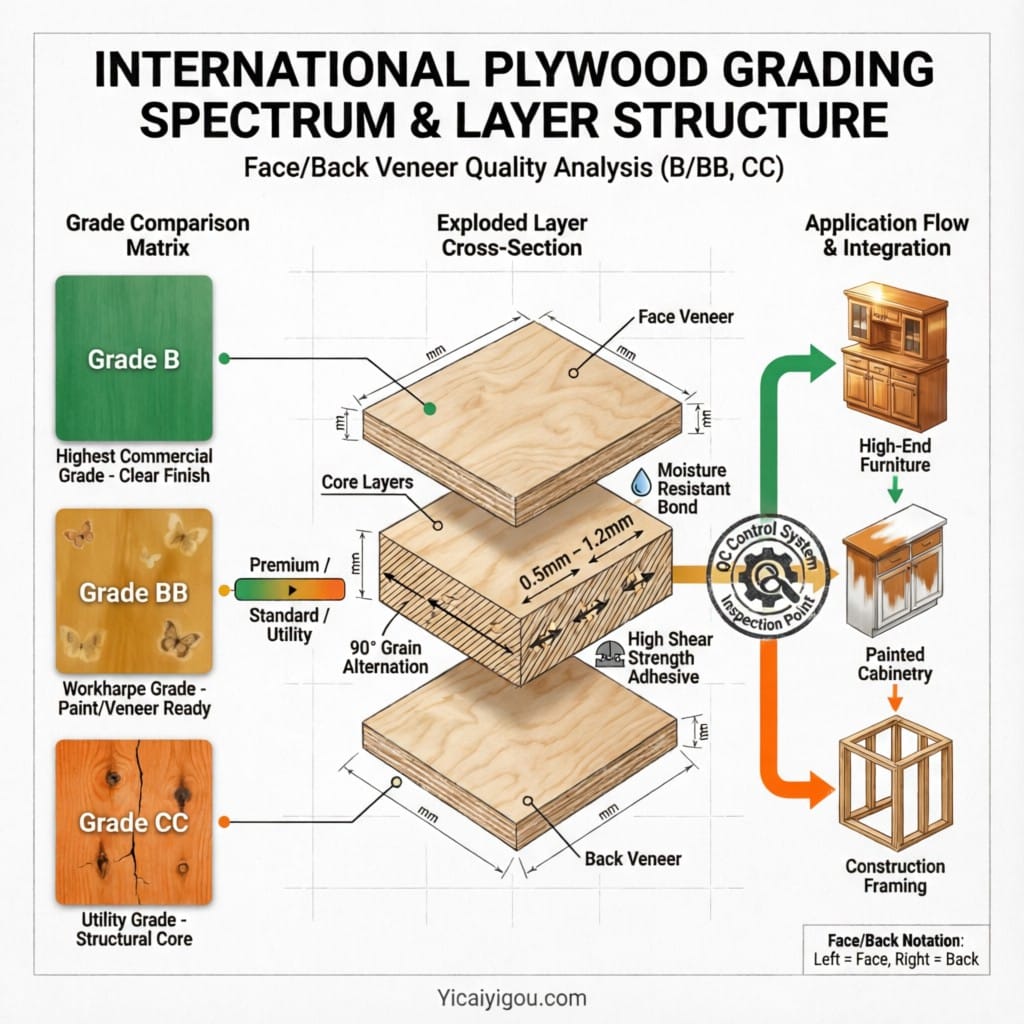
| Feature | Polyester Plywood | Standard Substrates (MDF/Particleboard) |
|---|---|---|
| Dimensional Stability | High cross-directional stability; resists warping under coating tension | Prone to bowing, cupping, or twisting due to lower density and lack of cross-grain structure |
| Surface Finish Compatibility | Ideal for high-gloss, mirror-like finishes; minimizes visual distortion and telegraphing | Risk of surface imperfections amplifying under high-build glossy coatings |
| Coating Tension Resistance | Maintains flatness during and after the curing of thick polyester layers | May deform under the significant internal tension created by curing high-gloss finishes |
| Long-Term Integrity | Resists humidity-induced changes; ensures long-term product integrity | Higher risk of post-installation warping leading to returns and brand damage |
| Target Application | Luxury furniture, architectural millwork, high-end retail displays (e.g., Apple, Tesla) | General purpose cabinetry, matte/satin finish applications where minor imperfections are less visible |
Achieving a flawless, mirror-like surface on architectural millwork and luxury furniture requires more than just aesthetic appeal; it demands a substrate that resists warping under the tension of high-build coatings. This article analyzes why polyester plywood outperforms standard substrates in high-gloss applications, focusing on dimensional stability, formaldehyde compliance, and supply chain reliability for global exporters.
The shift toward minimalist, high-reflectivity interiors has pushed brands like Apple and Tesla to demand surfaces with zero visual distortion. For procurement managers and engineers, the challenge lies not in the finish itself, but in the core material’s ability to maintain flatness over time. Understanding the technical interplay between substrate density and coating tension is critical for reducing rejection rates and ensuring long-term product integrity.

The Engineering Challenge of High-Gloss Finishes
High-gloss polyester finishes are unforgiving. Unlike matte or satin coatings that scatter light and hide minor imperfections, a glossy surface acts as a mirror, amplifying any telegraphing from the substrate beneath. When a thick polyester layer cures, it creates significant internal tension. If the underlying wood composite lacks sufficient density or cross-directional stability, this tension causes the panel to bow, cup, or twist during curing or shortly after installation.
For major retailers like IKEA and Amazon private-label furniture lines, consistency is paramount. A batch of cabinets that arrives flat but warps within weeks due to humidity changes or coating stress results in costly returns and brand damage. Engineers must select a substrate that offers high modulus of elasticity (MOE) and low moisture absorption. While Medium Density Fiberboard (MDF) is common, its homogeneous fiber structure can be prone to sagging in large vertical applications if not properly supported. Structural plywood, with its cross-laminated veneers, provides superior resistance to bending forces, making it an ideal candidate for high-tension finishes when paired with the right face veneer.
Technical Specifications and Performance Benchmarks
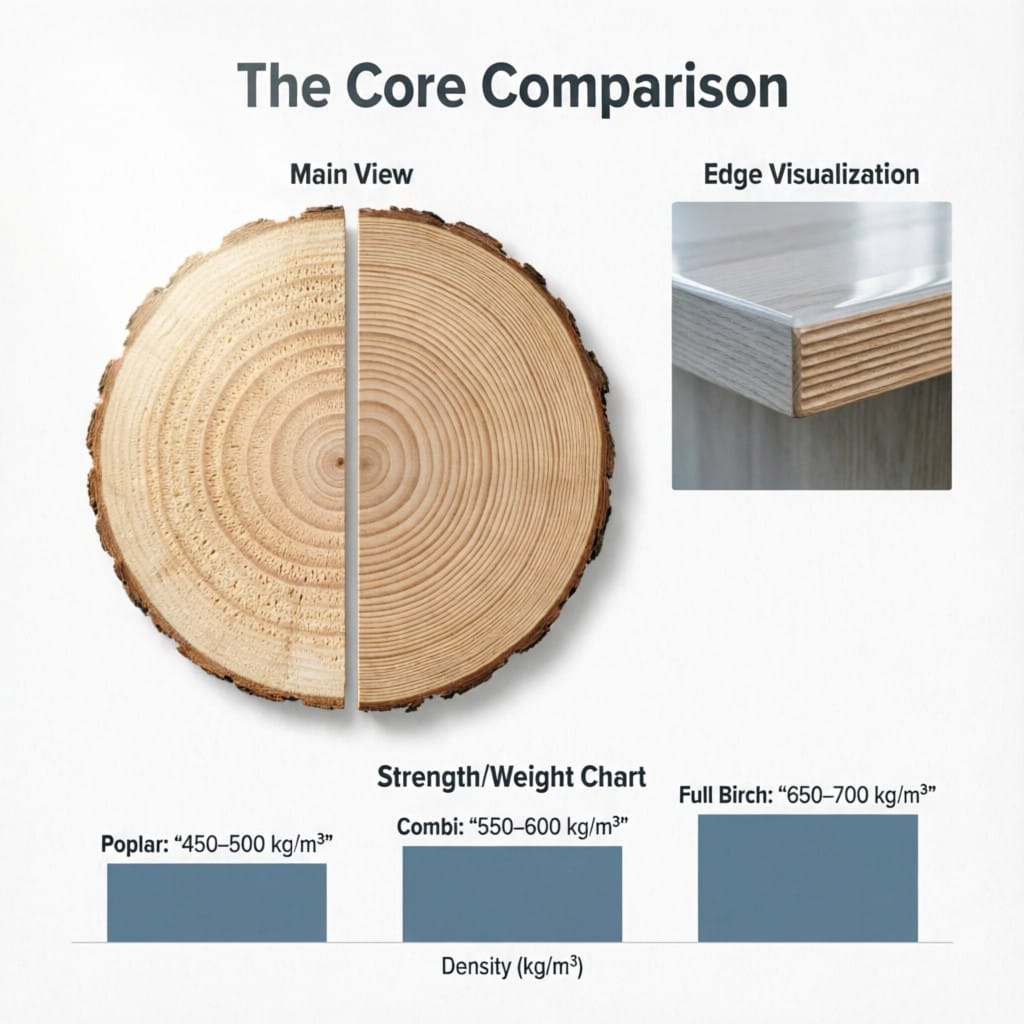
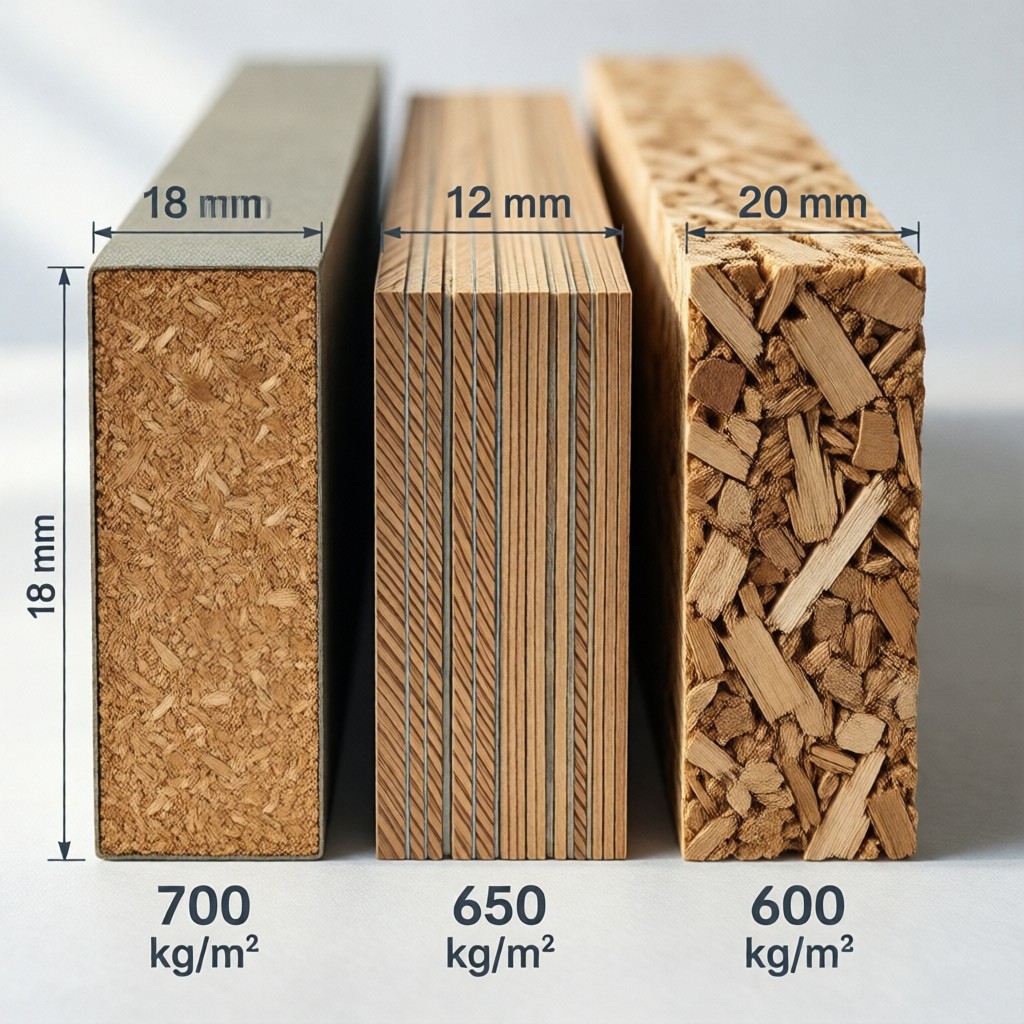
When evaluating substrates for high-gloss polyester application, density and formaldehyde emission standards are the primary technical filters. Yicaiyigou offers Precision MDF with a density range of 600-800 kg/m³ and High-Density Particleboard at 550-750 kg/m³. However, for high-gloss applications where surface smoothness is critical, Higher Density Fiberboard (HDF) with densities exceeding 800 kg/m³ up to 1,000+ kg/m³ is often preferred for its tighter fiber bond and smoother machining edges.
Formaldehyde emissions are equally critical, especially for exports to regulated markets. The European Union’s EUDR (effective Dec 30, 2024) and strict indoor air quality standards require rigorous compliance. Yicaiyigou’s products meet the stringent ENF standard (≤0.05 mg/L), which is stricter than the Japanese JAS F★★★★ standard (≤0.3 mg/L via JIS A 1460 desiccator method). For North American markets, CARB P2 compliance (≤0.11 ppm for composites) is mandatory, while E0 (≤0.07 ppm) and E1 (≤0.124 ppm) standards cover broader international requirements. These metrics ensure that the high-gloss finish does not trap volatile organic compounds (VOCs) that could off-gas over time.
| Specification | Precision MDF | Structural Plywood | High-Density Particleboard |
|---|---|---|---|
| Density Range | 600-800 kg/m³ | Varies by veneer/core | 550-750 kg/m³ |
| HDF Option | >800 kg/m³ up to 1,000+ kg/m³ | N/A | N/A |
| Thickness Range | 3mm-30mm | 3mm-30mm | 3mm-30mm |
| Standard Size | 2440x1220mm | 2440x1220mm | 2440x1220mm |
| ENF Formaldehyde | ≤0.05 mg/L | ≤0.05 mg/L | ≤0.05 mg/L |
| CARB P2 Limit | ≤0.11 ppm | ≤0.11 ppm | ≤0.11 ppm |
| E0 Standard | ≤0.07 ppm | ≤0.07 ppm | ≤0.07 ppm |
| E1 Standard | ≤0.124 ppm | ≤0.124 ppm | ≤0.124 ppm |
| Japan JAS F★★★★ | ≤0.3 mg/L | ≤0.3 mg/L | ≤0.3 mg/L |
The data above illustrates that while all three substrates can meet strict environmental standards, the choice depends on mechanical needs. MDF and HDF provide the uniform surface required for flawless gloss, while structural plywood offers the load-bearing capacity for larger spans without intermediate support.
Industry Applications and Real-World Specs
In the production of high-end retail fixtures for brands like Herman Miller, surface flatness is non-negotiable. Yicaiyigou’s Precision MDF, available in thicknesses from 3mm to 30mm, is frequently used for cabinet doors and drawer fronts where a high-gloss polyester finish is applied. The 600-800 kg/m³ density ensures that the CNC-machined edges remain sharp and do not crumble during the finishing process, a common issue with lower-density boards. For a furniture maker exporting to the EU, using FSC-certified MDF with ENF ≤0.05 mg/L eliminates compliance risk at customs, streamlining the supply chain.
For architectural wall paneling in commercial spaces like Apple Stores, structural plywood is often the substrate of choice due to its ability to span wider distances without sagging. When finished with high-gloss polyester, the cross-laminated structure prevents the “oil-canning” effect seen in large metal or thin wood panels. Yicaiyigou supplies these panels in standard 2440x1220mm sizes, optimized for container loading. A 20ft container holds 20-25 m³, while a 40ft container accommodates 45-50 m³, allowing buyers to optimize logistics costs. With a minimum order quantity (MOQ) of one 20ft container and a lead time of 15-25 days, supply chain managers can plan inventory turns with precision.
Supplier Solution: Yicaiyigou’s Compliance Edge
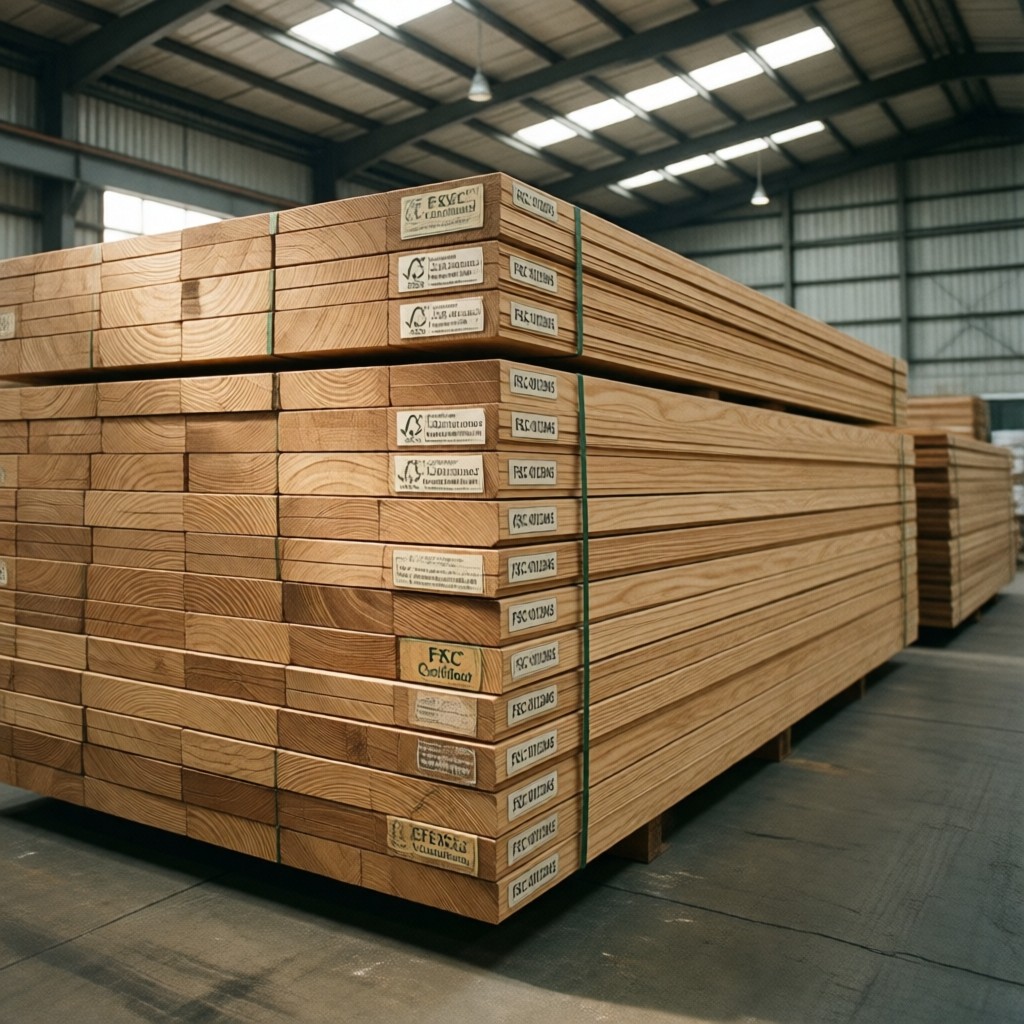
Yicaiyigou distinguishes itself through rigorous adherence to global certification standards and transparent Chain of Custody (CoC) documentation. Every batch of Precision MDF, Structural Plywood, and High-Density Particleboard is tracked from forest source to finished panel, ensuring full compliance with FSC and EUDR requirements. This traceability is vital for buyers supplying to major corporations like Amazon and Tesla, who require auditable proof of sustainable sourcing.
Our manufacturing process ensures consistent density profiles, critical for high-gloss finishes. Whether you require HDF with densities over 1,000 kg/m³ for ultra-smooth surfaces or structural plywood for load-bearing applications, our CE and CARB P2 certified facilities deliver uniform quality. We provide full test reports verifying formaldehyde levels against ENF (≤0.05 mg/L), E0 (≤0.07 ppm), and CARB P2 (≤0.11 ppm) standards. Request a compliant material sample with full CoC documentation to verify surface quality and emission levels before committing to bulk orders.
FAQ
What is the minimum order quantity for Yicaiyigou’s high-gloss substrates?
The MOQ is one 20ft container, which holds approximately 20-25 m³ of material, ensuring cost-effective shipping for bulk buyers.
How does Yicaiyigou ensure compliance with EU regulations?
All products come with FSC Chain of Custody documentation and meet ENF standards (≤0.05 mg/L), ensuring full compliance with the EU Deforestation Regulation (EUDR) effective Dec 30, 2024.
What density is recommended for the smoothest high-gloss finish?
For the highest quality mirror finish, HDF with a density >800 kg/m³ up to 1,000+ kg/m³ is recommended due to its tight fiber structure and superior surface smoothness.
What are the formaldehyde emission limits for CARB P2 compliance?
CARB P2 compliance requires formaldehyde emissions to be ≤0.11 ppm for composite wood products, a standard met by all Yicaiyigou MDF and particleboard lines.
How long is the lead time for a standard container order?
The typical lead time for production and preparation of a 20ft or 40ft container order is 15-25 days, depending on specification complexity and current volume.
Summary & Next Steps
Selecting the right substrate for high-gloss polyester finishes requires balancing surface smoothness, dimensional stability, and regulatory compliance. Yicaiyigou’s range of Precision MDF, Structural Plywood, and High-Density Particleboard offers verified solutions that meet strict global standards like ENF, CARB P2, and FSC. By prioritizing density specifications and traceable sourcing, buyers can mitigate risk and ensure premium end-product quality.
Request a compliant material sample with full CoC documentation and test reports from Yicaiyigou to validate surface quality and emission standards for your next project.
Frequently Asked Questions
Why is polyester plywood preferred over standard substrates for high-gloss architectural millwork?
Polyester plywood is preferred because it offers superior dimensional stability and resistance to warping under the tension of high-build coatings. Unlike standard substrates, its cross-laminated structure provides the necessary density and cross-directional stability to prevent bowing, cupping, or twisting, ensuring a flawless, mirror-like surface without visual distortion.
What specific engineering challenge do high-gloss polyester finishes present compared to matte or satin coatings?
High-gloss finishes act as mirrors that amplify any imperfections or telegraphing from the substrate beneath, whereas matte or satin coatings scatter light and hide minor flaws. Additionally, the curing process of thick polyester layers creates significant internal tension, which can cause panels with insufficient density or stability to warp during curing or after installation.
How do Medium Density Fiberboard (MDF) and Structural Plywood compare regarding performance in large vertical applications?
While MDF is common, its homogeneous fiber structure can be prone to sagging in large vertical applications if not properly supported. In contrast, Structural Plywood features cross-laminated veneers that provide superior resistance to bending forces and a higher modulus of elasticity (MOE), making it more suitable for maintaining flatness in high-tension finish applications.
What are the recommended density specifications for substrates used in high-gloss applications?
For high-gloss applications where surface smoothness is critical, Higher Density Fiberboard (HDF) with densities exceeding 800 kg/m³ up to 1,000+ kg/m³ is often preferred due to its tighter fiber bond and smoother machining edges. Standard Precision MDF typically ranges from 600-800 kg/m³, while High-Density Particleboard ranges from 550-750 kg/m³.
Which formaldehyde emission standards must exporters meet for European and North American markets?
For the European Union, products must comply with the stringent ENF standard (≤0.05 mg/L) and upcoming EUDR regulations. For North American markets, CARB P2 compliance (≤0.11 ppm for composites) is mandatory. Broader international requirements may also include E0 (≤0.07 ppm) and E1 (≤0.124 ppm) standards to ensure low volatile organic compound (VOC) off-gassing.