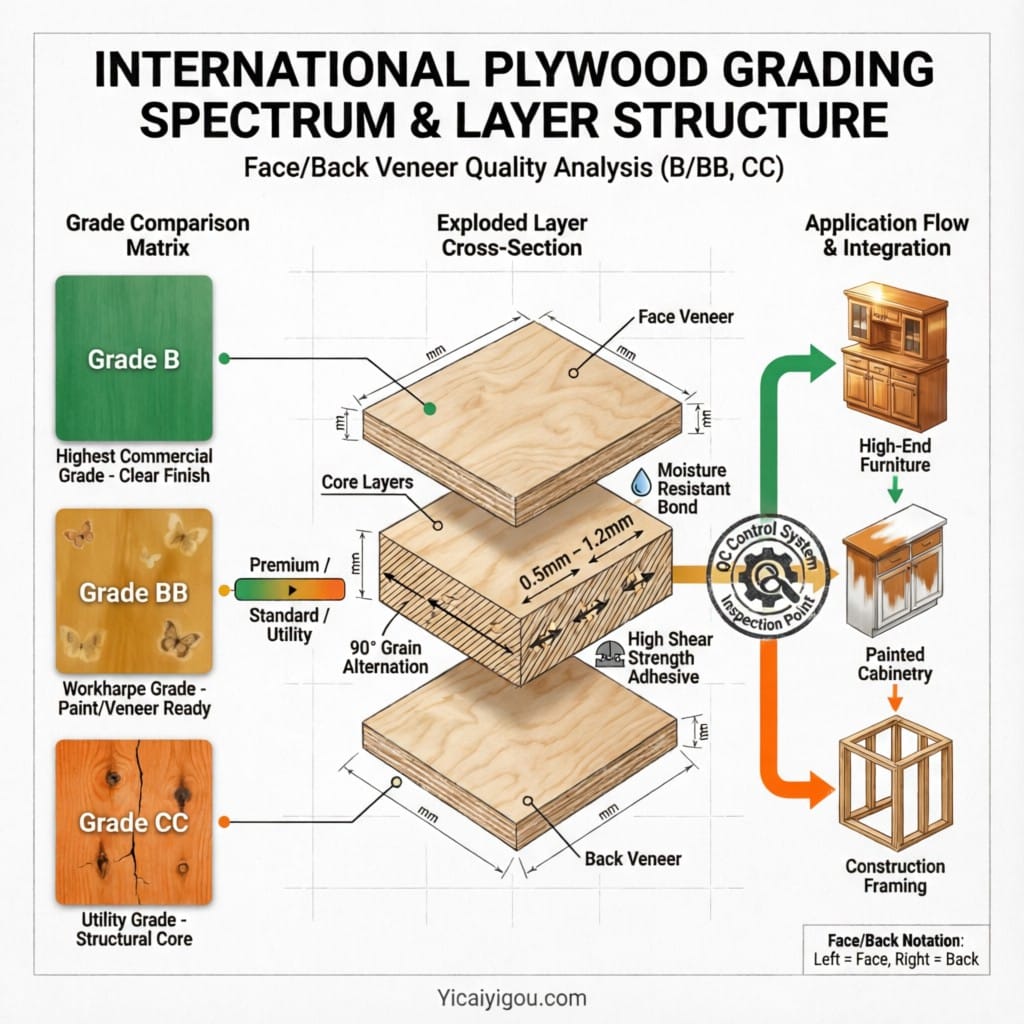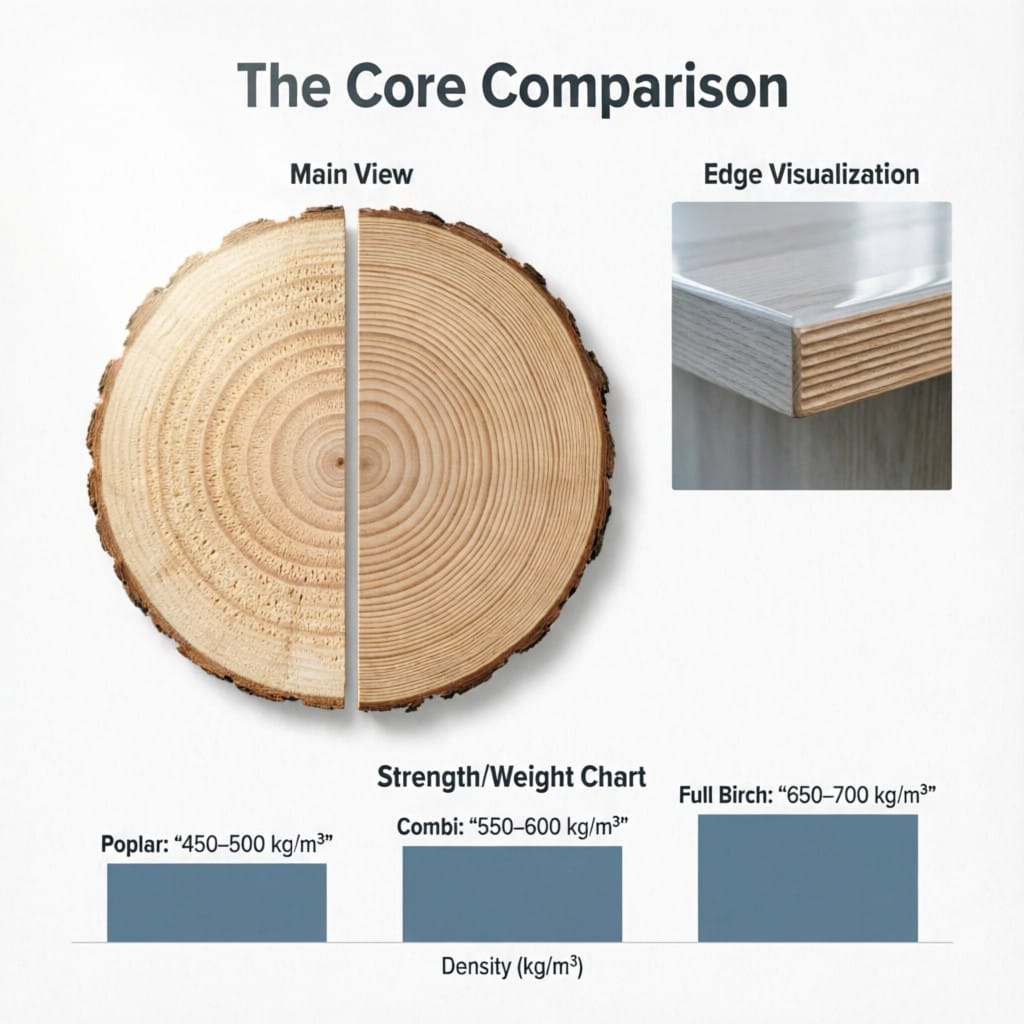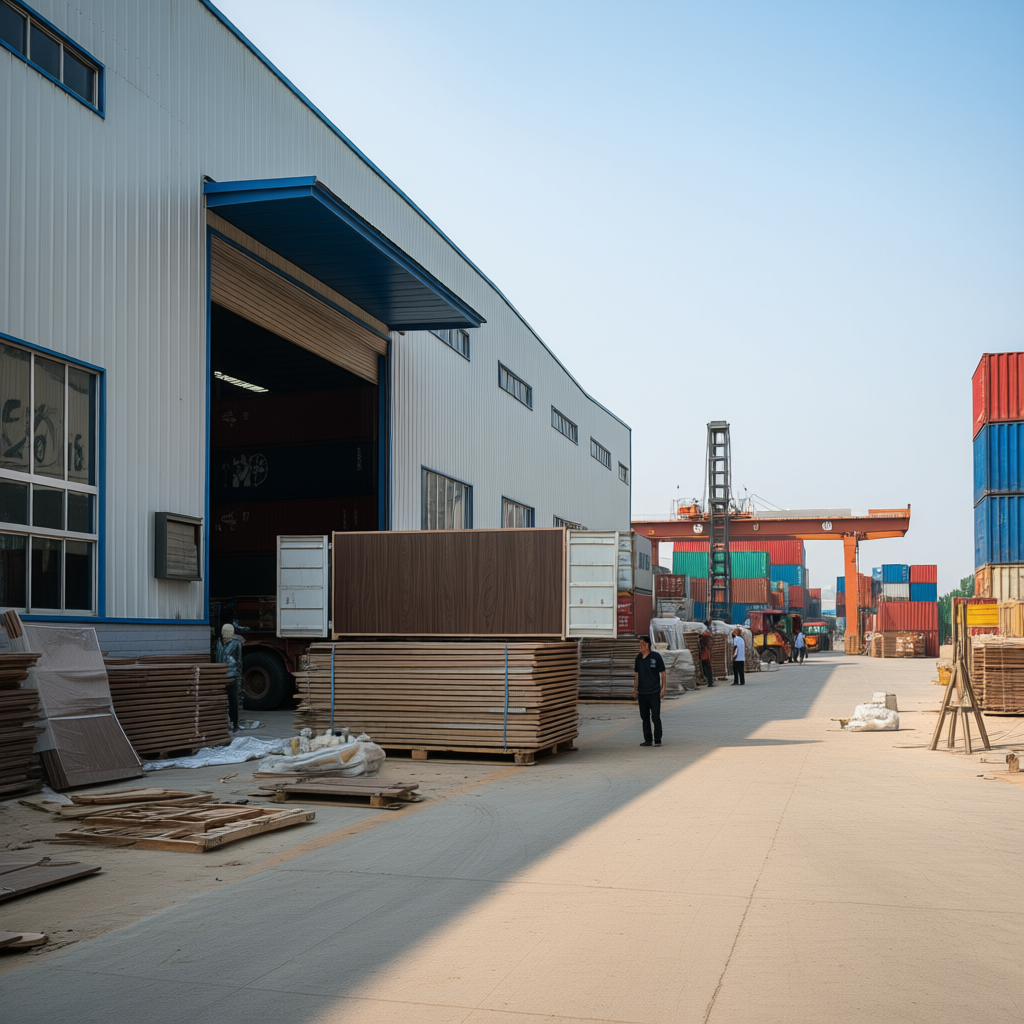
| Sourcing Approach | Transactional Vendor Relationship | Strategic Production Partnership |
|---|---|---|
| Primary Selection Criteria | Lowest FOB Price | Technical Alignment & Quality Consistency |
| Quality Verification | Hopeful assumptions; generic “high quality” claims | Data-driven verification; integrated QC in development cycle |
| Compliance Standards | Often ignored or checked post-production | Pre-defined benchmarks (e.g., E1 ≤0.124 ppm formaldehyde) |
| Risk of Margin Erosion | High (15-20% due to hidden deviations) | Minimized through proactive vetting |
| Potential Consequences | Customs rejection, demurrage fees, warping, lost client trust | Secure supply chain, protected bottom line, global standard compliance |
| Communication Dynamic | Breakdowns leading to silent profit killers | Clear technical frameworks addressing logistical bottlenecks |
International wood importers often face a silent profit killer: a 15-20% margin erosion caused by hidden quality deviations and communication breakdowns with suppliers in China’s wood capital. This article resolves that risk by providing a technical, step-by-step framework for vetting Linyi manufacturers, ensuring your Precision MDF, Structural Plywood, and High-Density Particleboard meet exacting global standards while protecting your bottom line.
The Hidden Cost of Transactional Sourcing in Linyi
Consider a mid-sized furniture distributor sourcing Structural Plywood for the EU market. They select a vendor based solely on FOB price, ignoring critical technical alignments. Upon arrival, the cargo fails customs because the formaldehyde emission levels exceed the strict E1 limit of ≤0.124 ppm, or worse, the moisture content variance causes warping in transit. The result is not just a rejected shipment, but a cascading failure involving demurrage fees, replacement costs, and lost trust from end-clients like IKEA or Herman Miller.
This scenario is preventable. The key lies in shifting from a transactional vendor relationship to a strategic production partnership. By integrating quality control into the product development cycle and addressing specific logistical bottlenecks, buyers can secure consistent supply chains. This guide outlines how to leverage Yicaiyigou’s manufacturing capabilities to mitigate these risks, focusing on data-driven verification rather than hopeful assumptions.
Technical Benchmarks for Compliance and Performance
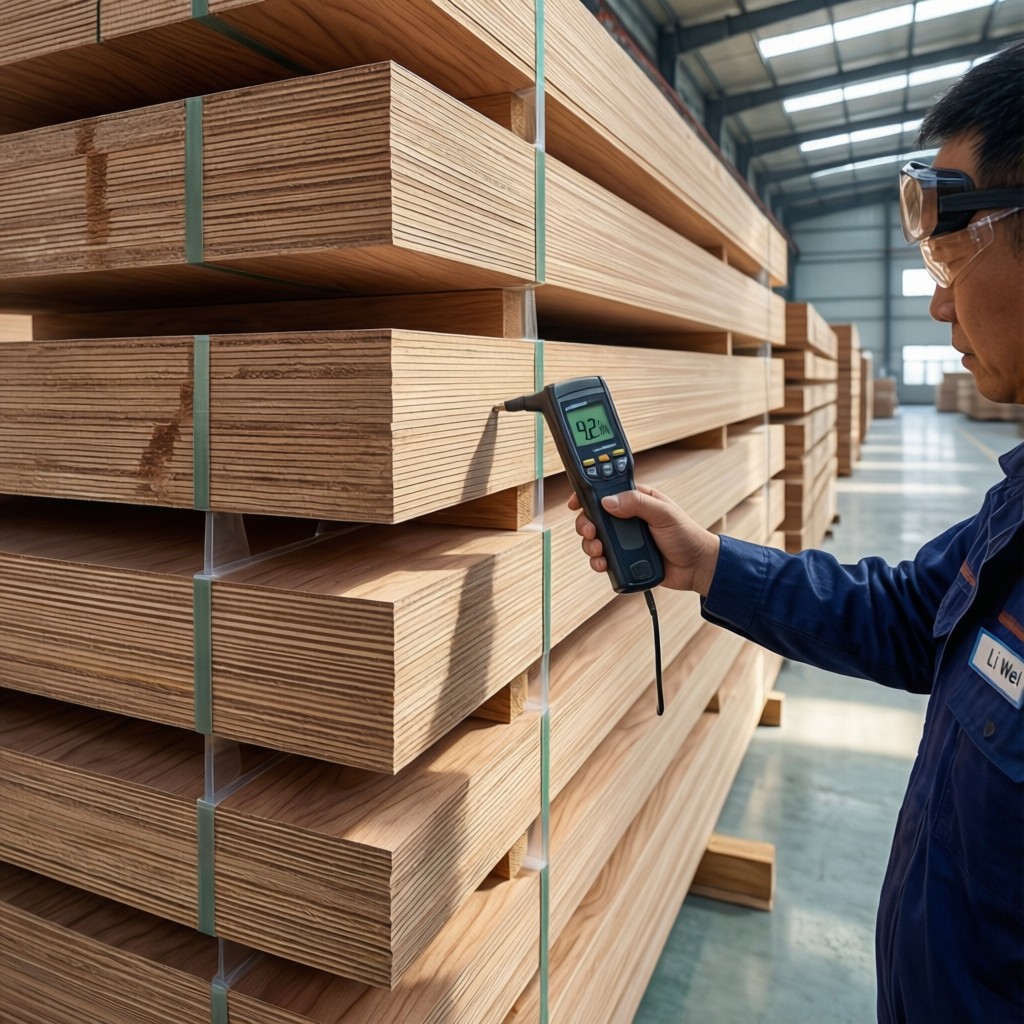
When sourcing from Linyi, generic “high quality” claims are insufficient. You must enforce specific technical standards that align with international regulations. First, require compliance with China National Standard GB/T 9846-2015 for formaldehyde emission limits, specifically targeting E1 (≤0.124 ppm) or E0 (≤0.07 ppm) grades. For markets with stricter environmental mandates, such as the upcoming EUDR effective December 30, 2024, ensure your supplier can provide ENF grade materials with emissions ≤0.05 mg/L.
Second, implement a pre-shipment inspection protocol that targets a maximum 5% moisture content variance. This is critical for preventing delamination and warping during ocean freight. Third, verify your supplier’s FSC Chain of Custody certification code validity annually to ensure traceability and sustainability compliance. Finally, negotiate payment terms structured as 30% T/T deposit with 70% against copy of Bill of Lading to balance cash flow with security.
Glue Chemistry and Logistics: The Overlooked Variables
Most sourcing guides ignore two critical factors: glue chemistry and seasonal logistics. The type of adhesive used—melamine versus urea-formaldehyde—must align with the climate destination of the final product. Melamine-based glues offer superior moisture resistance, making them essential for humid environments, whereas standard urea-formaldehyde may suffice for controlled indoor settings. Misalignment here leads to premature product failure.
Furthermore, competitors rarely address the specific logistics bottleneck at Linyi Port during peak harvest seasons, particularly October and November. During this window, trucking delays and port congestion can extend lead times significantly. Strategic buyers plan their orders to avoid this peak or build buffer stock, ensuring that their 15-25 day lead time remains accurate. Ignoring this seasonal reality results in missed retail windows and expedited shipping costs that erase margins.
| Specification | Standard Urea-Formaldehyde | Melamine-Enhanced Glue |
|---|---|---|
| Formaldehyde Emission (E1) | ≤0.124 ppm | ≤0.124 ppm |
| Moisture Resistance | Low (Interior Use Only) | High (Humid Environments) |
| Bond Strength | Moderate | High |
| Cost Premium | Base Price | +10-15% |
| Ideal Climate | Controlled Indoor | Humid/Variable |
| Delamination Risk | High in >60% RH | Low in >60% RH |
| Curing Time | Faster | Slower |
| Application | Furniture Backing | Kitchen/Bath Cabinetry |
The table above illustrates why specifying glue type is as critical as specifying wood species. While melamine-enhanced glue carries a 10-15% cost premium, it drastically reduces the risk of delamination in humid climates, protecting brand reputation.
Industry Examples with Real Specifications
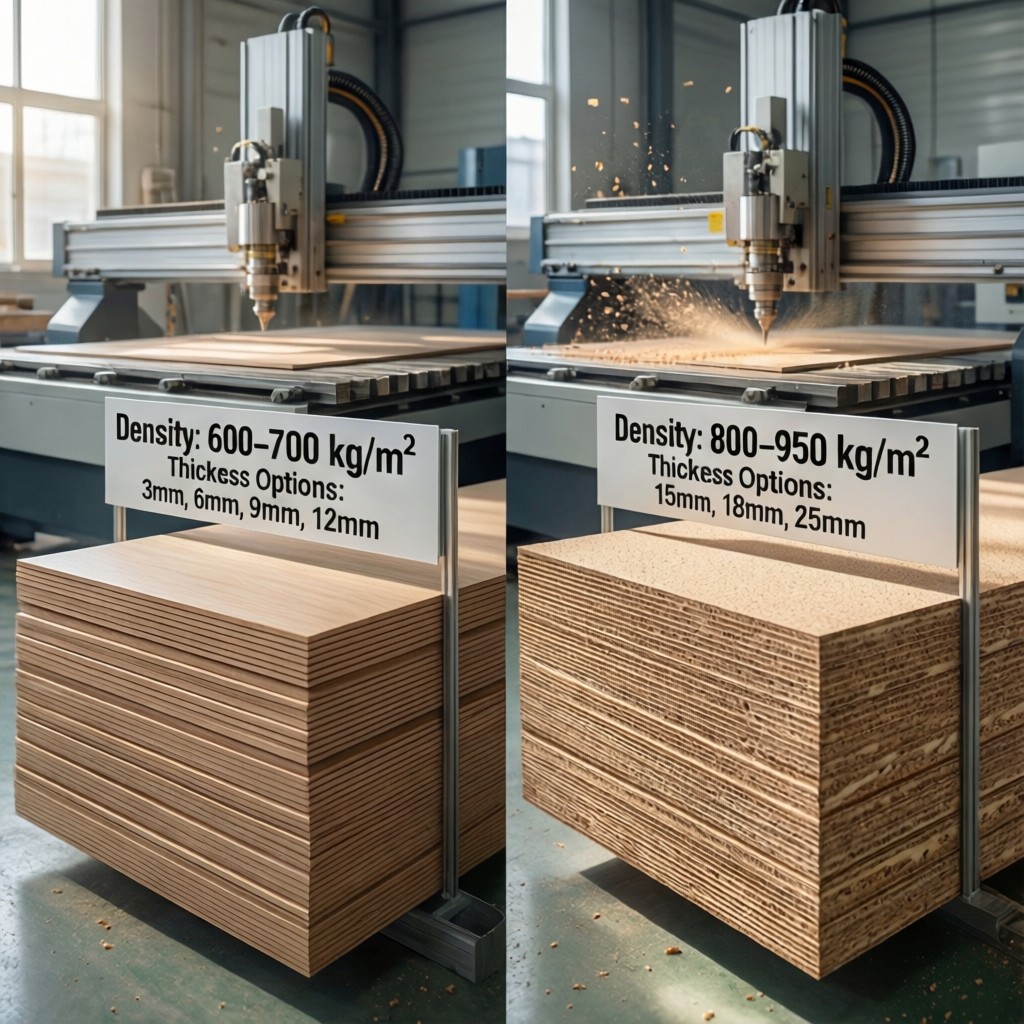
Yicaiyigou demonstrates how technical precision translates to real-world application. For a European furniture maker requiring strict compliance, Yicaiyigou supplies Precision MDF with a density of 600-800 kg/m³ and formaldehyde emissions capped at ENF ≤0.05 mg/L. This ensures seamless clearance through EU customs under the new EUDR framework. The standard size of 2440x1220mm allows for efficient cutting patterns, minimizing waste for high-volume producers.
For construction firms needing robust structural solutions, Yicaiyigou’s High-Density Particleboard offers a density range of 550-750 kg/m³, with HDF options exceeding 800 kg/m³ up to 1,000+ kg/m³. These panels, available in thicknesses from 3mm to 30mm, are engineered for load-bearing applications. A 40ft container holds 45-50 m³ of these materials, optimizing shipping efficiency for large-scale projects. By specifying these exact densities and dimensions, buyers eliminate ambiguity and ensure fit-for-purpose performance.
Why Exporters Choose Yicaiyigou for Compliance-Ready Panels
Yicaiyigou positions itself not just as a manufacturer, but as a strategic partner in compliance and quality assurance. With certifications including FSC, CARB P2 (≤0.11 ppm for composites), CE, and ENF, Yicaiyigou provides the documentation necessary for global market access. Their Chain of Custody (CoC) documentation is rigorously maintained, allowing buyers to trace raw materials back to sustainable sources, a requirement for major retailers like Apple and Amazon.
By integrating Yicaiyigou’s QC team into your product development cycle, you gain proactive insight into potential issues before they become costly problems. This collaborative approach ensures that every batch of Structural Plywood or Precision MDF meets your specific technical requirements, from moisture content to formaldehyde emissions. Request a compliant material sample with full CoC documentation to experience this level of transparency and precision firsthand.
FAQ
What is the minimum order quantity for Yicaiyigou’s wood products?
The MOQ is 1x20ft container, which holds approximately 20-25 m³ of material, allowing for flexible trial orders before scaling to 40ft containers.
How does Yicaiyigou ensure formaldehyde compliance for the US market?
Yicaiyigou adheres to CARB P2 standards, limiting formaldehyde emissions to ≤0.11 ppm for composite wood products, ensuring compliance with US EPA regulations.
What is the typical lead time for orders from Linyi?
Standard lead times range from 15-25 days, though buyers should account for potential delays during the October-November peak harvest season at Linyi Port.
Can Yicaiyigou provide custom thicknesses for Precision MDF?
Yes, Yicaiyigou offers Precision MDF in thicknesses ranging from 3mm to 30mm, catering to diverse application needs from thin veneers to structural panels.
How often should I verify my supplier’s FSC certification?
You should verify the validity of your supplier’s FSC Chain of Custody certification code annually to ensure ongoing compliance with sustainability standards.
Summary & Next Steps
Building a resilient supply chain in Linyi requires moving beyond price-based selection to a model rooted in technical verification and strategic partnership. By enforcing strict standards for formaldehyde emissions, moisture content, and glue chemistry, and by accounting for seasonal logistics bottlenecks, you can protect your margins and ensure product integrity. Yicaiyigou’s commitment to compliance and quality makes them an ideal partner for this rigorous approach.
Request a compliant material sample with full CoC documentation from Yicaiyigou to validate these specifications for your next project.
Frequently Asked Questions
What is the primary financial risk international wood importers face when sourcing from Linyi, and what causes it?
Importers often face a 15-20% margin erosion caused by hidden quality deviations and communication breakdowns with suppliers. This silent profit killer results from issues such as rejected shipments due to non-compliance with formaldehyde limits or moisture content variances, leading to demurrage fees, replacement costs, and lost client trust.
What specific technical standards and emission grades should buyers enforce when sourcing Structural Plywood for international markets?
Buyers must require compliance with China National Standard GB/T 9846-2015, targeting E1 (≤0.124 ppm) or E0 (≤0.07 ppm) grades. For stricter environmental mandates like the upcoming EUDR, suppliers should provide ENF grade materials with emissions ≤0.05 mg/L.
Why is monitoring moisture content variance critical during pre-shipment inspections?
Implementing a protocol that targets a maximum 5% moisture content variance is critical for preventing delamination and warping of wood products during ocean freight transit, ensuring the cargo arrives in usable condition.
How does the choice between urea-formaldehyde and melamine-based glues impact product performance?
The adhesive type must align with the destination climate. Melamine-based glues offer superior moisture resistance and are essential for humid environments, whereas standard urea-formaldehyde may suffice for controlled indoor settings. Misalignment can lead to premature product failure.
What logistical challenges occur in Linyi during October and November, and how can buyers mitigate them?
During peak harvest seasons in October and November, Linyi Port experiences trucking delays and congestion that can extend lead times. Strategic buyers can mitigate this by planning orders to avoid this peak window or by building buffer stock to ensure accurate 15-25 day lead times.