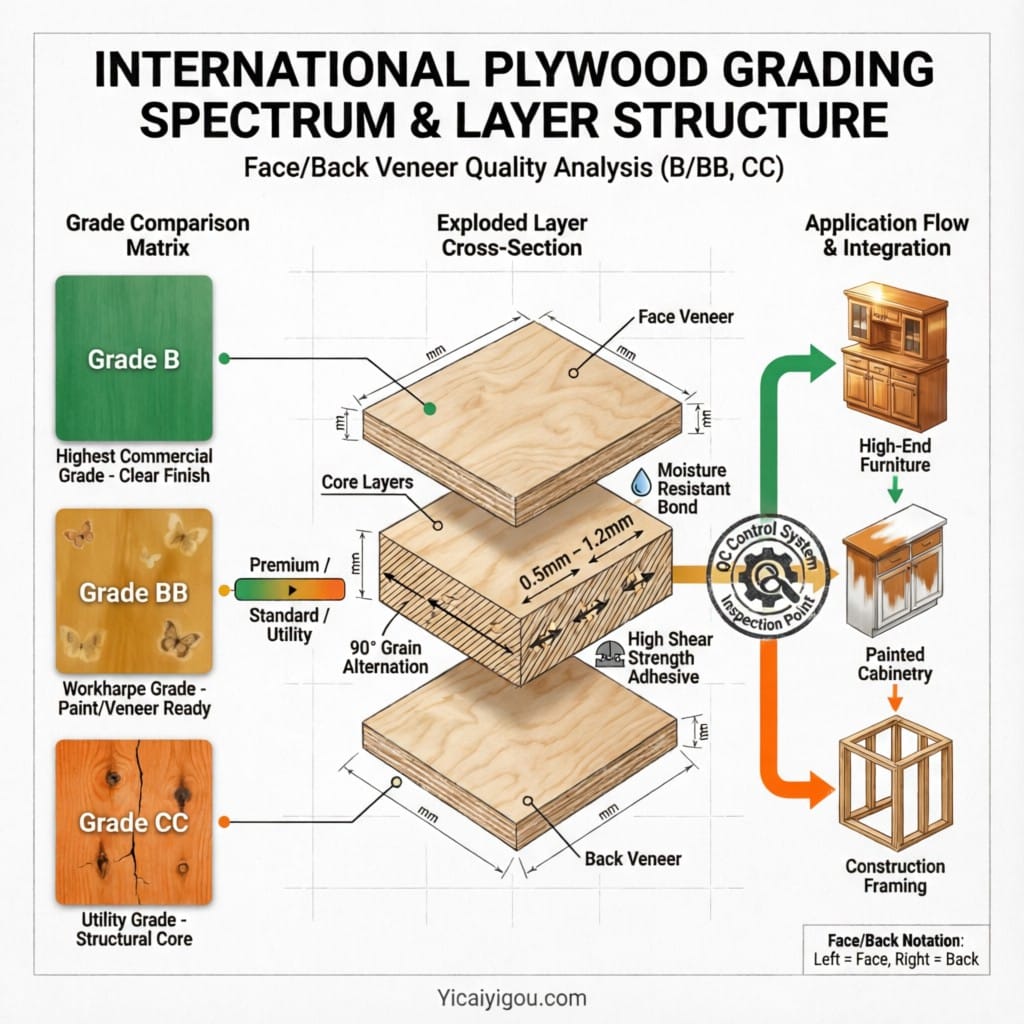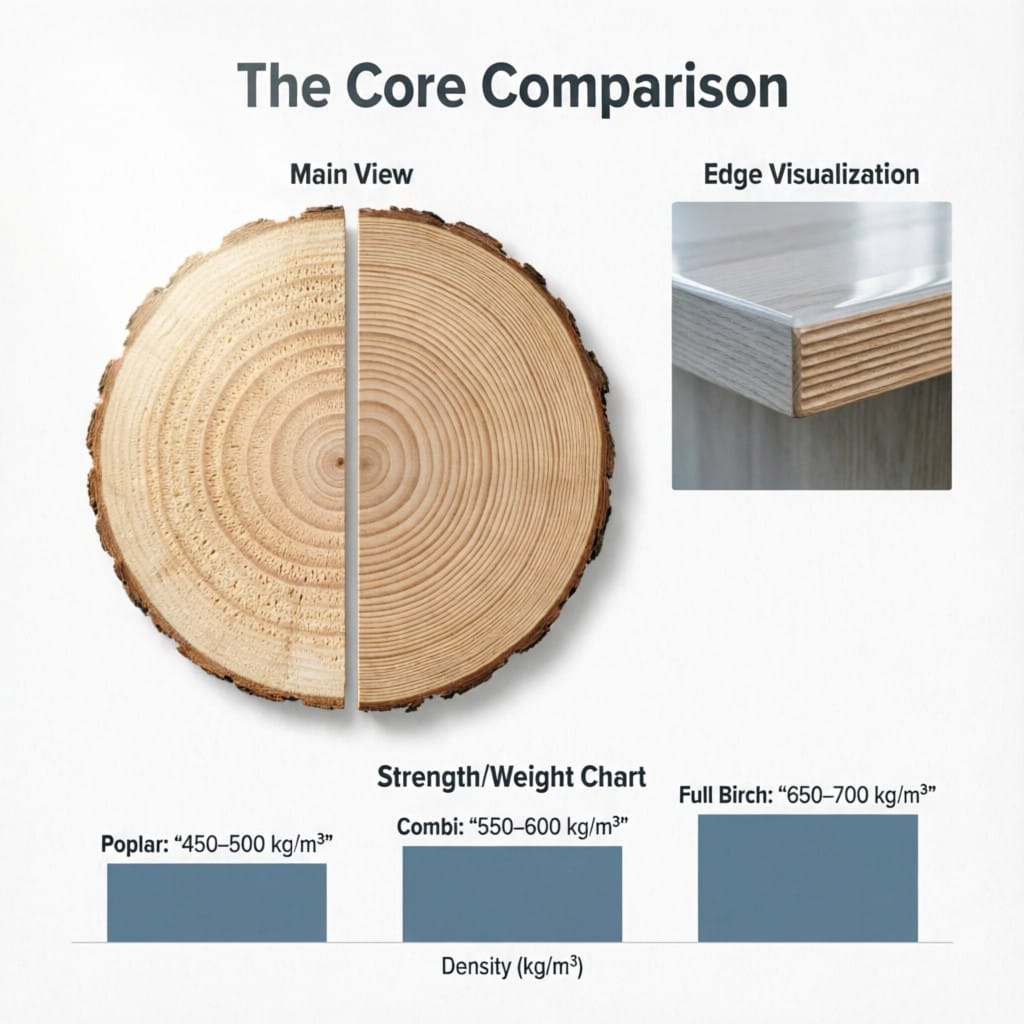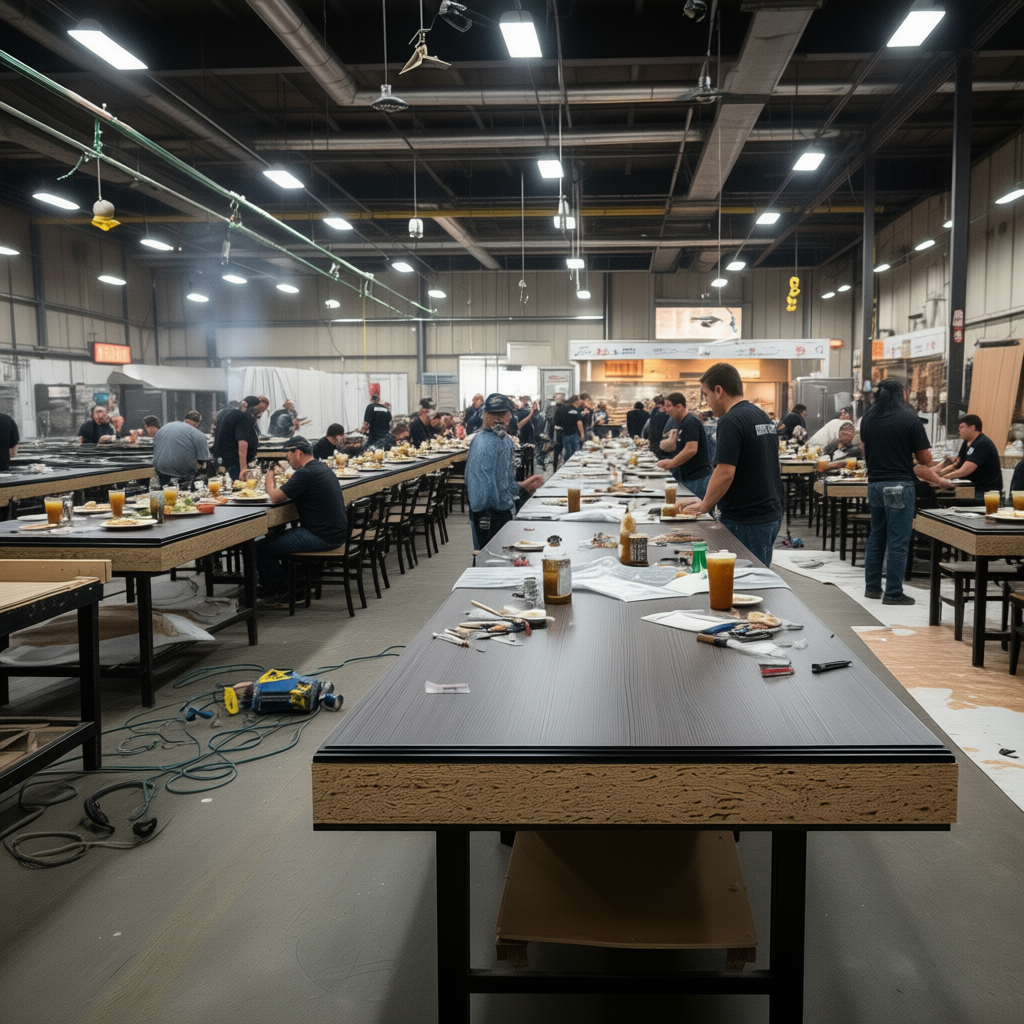
| Feature | HPL on Engineered Core (with PUR Adhesive) | Solid Wood | Standard Laminate (with EVA Adhesive) |
|---|---|---|---|
| Adhesive Thermal Stability | Stable up to 180°F (PUR Bond) | N/A (No edge banding adhesive) | Softens/Fails at 140°F (EVA Bond) |
| Moisture Resistance | High (Resists swelling at edges) | Moderate (Prone to warping/cupping) | Low (Susceptible to moisture ingress) |
| Hygiene & Bacterial Growth | Low Risk (Sealed edges prevent micro-gaps) | Moderate Risk (Grain can harbor bacteria if unsealed) | High Risk (Micro-gaps form after adhesive failure) |
| Dishwasher Cycle Durability | Withstands commercial thermal shock | Poor (Not suitable for industrial washing) | Poor (Delaminates under high heat/chemicals) |
| Estimated Replacement Cycle | Extended Lifecycle (>5 years typical) | Variable (Requires frequent refinishing) | 18–24 Months |
| Primary Failure Point | Surface abrasion (long-term) | Structural warping or finish wear | Edge band delamination |
Restaurant operators face a silent profit leak: premature table replacement driven by delamination and bacterial growth in standard laminate tops. Under high-turnover conditions, moisture ingress at edge bands causes swelling that ruins aesthetics and violates hygiene protocols, forcing costly refurbishments every 18–24 months. This article resolves that risk by comparing High-Pressure Laminate (HPL) on engineered cores against solid wood, providing the technical data procurement managers need to specify durable restaurant table top materials that survive commercial dishwashing cycles.
The Hidden Cost of Edge Failure in Commercial Dining
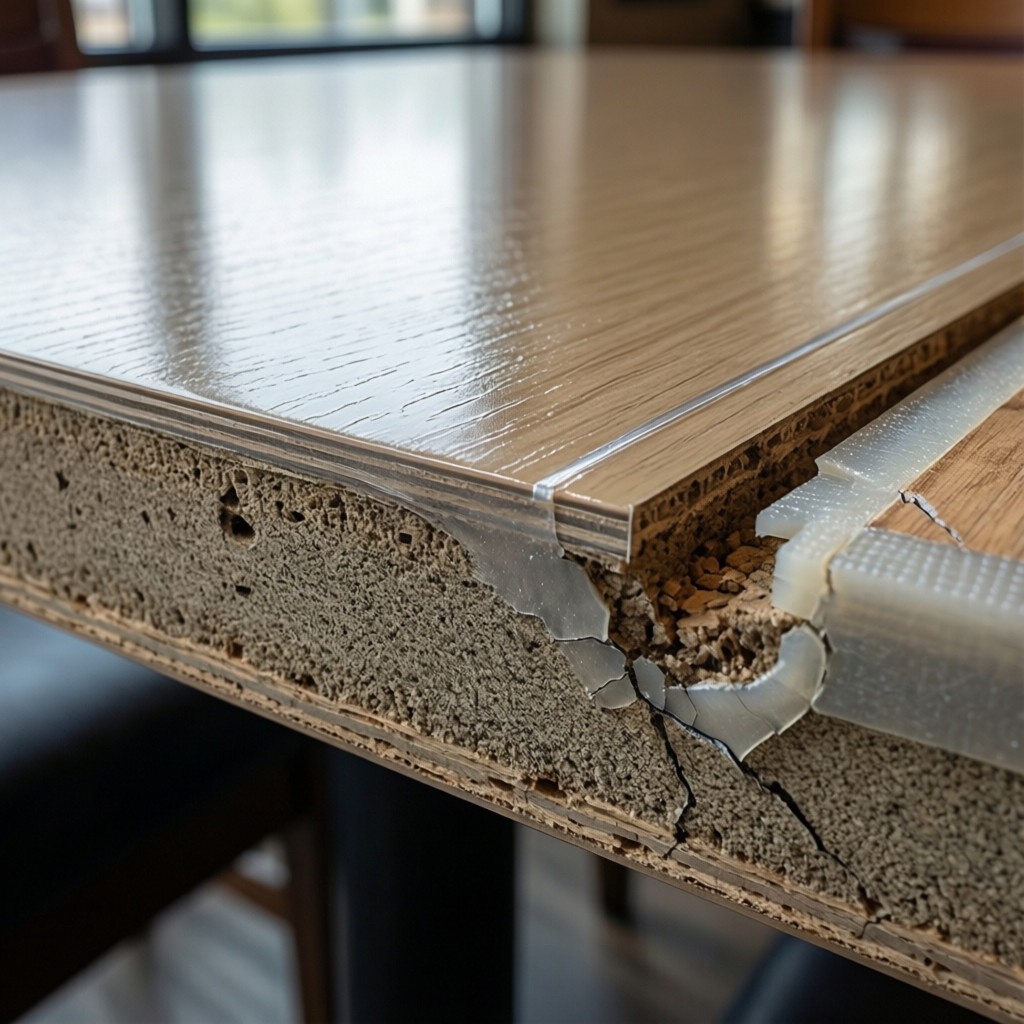
A common oversight in furniture specification is ignoring the adhesive chemistry used in edge banding. While surface durability often gets attention, the edge is the primary failure point in environments where tables are wiped down with hot, chemical-laden water dozens of times daily. Most guides ignore that EVA (Ethylene Vinyl Acetate) glue, commonly used in residential furniture, begins to soften and fail at 140°F. In contrast, PUR (Polyurethane Reactive) glue bonds remain stable up to 180°F, withstandings the thermal shock of industrial dishwashers.
This distinction matters immediately for supply chain decision-makers at major retailers like IKEA or hospitality groups managing hundreds of locations. Choosing the wrong core-adhesive combination leads to micro-gaps where bacteria thrive, creating liability risks beyond mere aesthetic degradation. By pivoting to engineered solutions with verified thermal resistance, buyers can reduce lifecycle replacement frequency significantly.
Technical Performance: HPL Engineered Cores vs Solid Wood
The following comparison details why engineered panels with HPL surfacing outperform solid wood in high-traffic dining environments. Note the specific metrics regarding moisture stability and mechanical resistance.
| Metric | Solid Wood (Oak/Maple) | HPL on Precision MDF/HDF |
|---|---|---|
| Moisture Absorption (Width-wise) | Swells up to 8% | <0.5% (HPL Surface) |
| Scrub Resistance (ASTM D2486) | Variable; requires frequent refinishing | >10,000 cycles (Commercial Grade) |
| Edge Band Adhesive Limit | N/A (Solid structure) | PUR Glue: Withstands 180°F |
| Standard Glue Failure Point | N/A | EVA Glue: Fails at 140°F |
| Core Density Range | ~600-700 kg/m³ (Species dependent) | MDF: 600-800 kg/m³; HDF: >800 kg/m³ |
| Formaldehyde Emission (Max) | Natural (VOCs from finishes vary) | ENF ≤0.05 mg/L; CARB P2 ≤0.11 ppm |
| Screw-Holding Strength | High initially; degrades with wear | High; HDF >800 kg/m³ ensures grip |
| LEED v4.1 Credit Potential | Limited without FSC Chain of Custody | FSC-certified sourcing available |
The data indicates that while solid wood offers natural beauty, its hygroscopic nature makes it vulnerable in humid, high-cleanliness environments. HPL on high-density cores provides a non-porous barrier that meets ASTM D2486 standards for scrub resistance, ensuring the surface remains intact after thousands of cleaning cycles.
Industry Applications with Verified Specifications
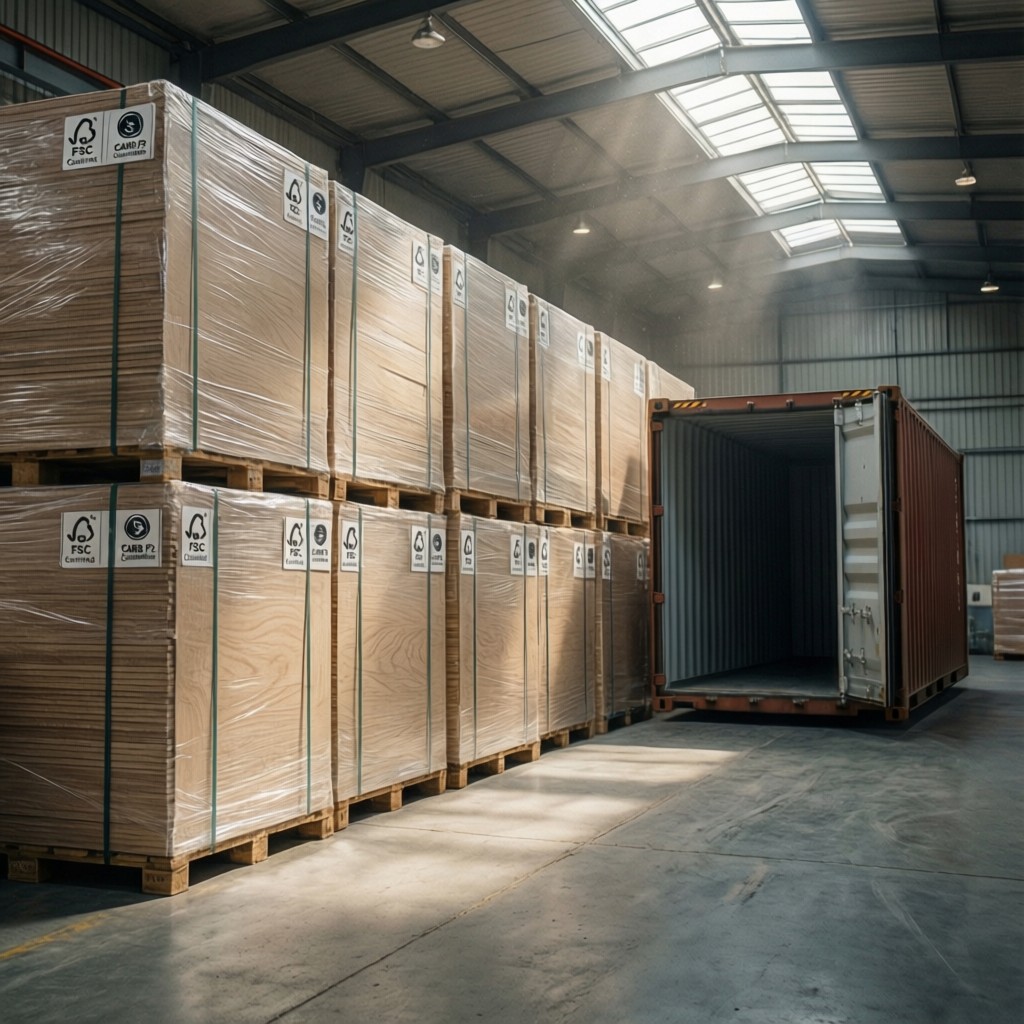
Yicaiyigou supplies Precision MDF and High-Density Particleboard specifically engineered for these demanding applications. For a furniture manufacturer exporting to the EU, using our FSC-certified MDF with ENF ≤0.05 mg/L formaldehyde emissions eliminates compliance risk at customs under the new EUDR regulations effective December 30, 2024. This low-emission profile is critical for indoor air quality certifications in modern restaurant designs.
Consider the structural requirements for heavy duty dining table tops. Our HDF cores, with densities exceeding 800 kg/m³ up to 1,000+ kg/m³, provide superior screw-holding strength compared to standard particle board (550-750 kg/m³). This density ensures that table base attachments remain secure even after years of vibration and movement, a common failure mode in lower-density substrates. For large-scale deployments, our standard 2440x1220mm panels optimize container loading, with a 40ft container holding 45-50 m³ of material, reducing freight costs per unit.
Why Exporters Choose Yicaiyigou for Compliance-Ready Panels
Yicaiyigou distinguishes itself through rigorous adherence to global environmental and safety standards. We provide full Chain of Custody (CoC) documentation for FSC-certified products, enabling buyers to claim LEED v4.1 Interior Design and Construction credits. Our manufacturing process ensures consistent density tolerances, with MDF ranging from 600-800 kg/m³ and particle board from 550-750 kg/m³, allowing engineers to predict load-bearing performance accurately.
For buyers concerned with indoor air quality, our panels meet the strictest global standards: CARB P2 ≤0.11 ppm, E0 ≤0.07 ppm, and Japan JAS F★★★★ ≤0.3 mg/L. This level of transparency is rare in the market, where competitors often obscure adhesive types and substrate origins. By specifying Yicaiyigou, procurement managers secure a supply chain that is not only cost-effective but also audit-ready for major corporate sustainability goals.
Which One To Choose
Specify HPL-on-HDF for high-turnover quick-service restaurants, cafeterias, and outdoor patios where moisture resistance and ease of sanitation are paramount. Specify Solid Wood for low-volume, fine-dining establishments where aesthetic warmth outweighs maintenance costs and where humidity-controlled environments prevent swelling.
FAQ
What is the minimum order quantity for Yicaiyigou panels?
The MOQ is one 20ft container, which holds approximately 20-25 m³ of material, ensuring efficient logistics for bulk procurement.
How does HDF density impact table base attachment?
HDF with density >800 kg/m³ provides significantly higher screw-holding strength than standard particle board, preventing base loosening over time.
Are Yicaiyigou panels compliant with EU Deforestation Regulation?
Yes, our FSC-certified products come with Chain of Custody documentation, ensuring compliance with EUDR requirements effective Dec 30, 2024.
What is the lead time for standard orders?
Standard lead times range from 15-25 days, depending on volume and destination port logistics.
Can HPL surfaces withstand commercial dishwasher temperatures?
Yes, when bonded with PUR glue, the edges withstand up to 180°F, far exceeding the 140°F failure point of standard EVA adhesives.
Summary & Next Steps
Choosing the right panel involves balancing aesthetic appeal with industrial-grade durability. HPL on high-density engineered cores offers a verifiable advantage in moisture resistance (<0.5% absorption) and thermal stability (PUR glue up to 180°F), reducing long-term replacement costs. To validate these specifications for your next project, request a compliant material sample with full CoC documentation from Yicaiyigou.
Frequently Asked Questions
Why do standard laminate table tops often fail prematurely in restaurant environments?
Standard laminate tops frequently fail due to moisture ingress at the edge bands, which causes swelling, delamination, and bacterial growth. This is often exacerbated by the use of EVA glue that softens at 140°F, leading to aesthetic ruin and hygiene violations that force costly refurbishments every 18–24 months.
What is the critical difference between EVA and PUR adhesives for edge banding in commercial furniture?
EVA (Ethylene Vinyl Acetate) glue begins to soften and fail at 140°F, making it unsuitable for environments with hot chemical cleaning. In contrast, PUR (Polyurethane Reactive) glue remains stable up to 180°F, withstands thermal shock from industrial dishwashers, and prevents the formation of micro-gaps where bacteria can thrive.
How does HPL on engineered cores compare to solid wood regarding moisture absorption and scrub resistance?
HPL on engineered cores offers superior performance with less than 0.5% moisture absorption compared to solid wood’s potential 8% width-wise swelling. Additionally, commercial-grade HPL exceeds 10,000 cycles in ASTM D2486 scrub resistance tests, whereas solid wood requires frequent refinishing and has variable resistance.
What compliance benefits do FSC-certified MDF cores with ENF emissions offer for exporters?
Using FSC-certified MDF with ENF ≤0.05 mg/L formaldehyde emissions helps furniture manufacturers eliminate compliance risks at customs under new EUDR regulations effective December 30, 2024. It also supports indoor air quality certifications and LEED v4.1 credit potential for modern restaurant designs.
Why are High-Density Fiberboard (HDF) cores recommended for heavy-duty dining tables?
HDF cores are recommended because they have densities exceeding 800 kg/m³ (up to 1,000 kg/m³), which ensures high screw-holding strength and structural integrity. This density provides a stable base for HPL surfacing, preventing degradation from wear and maintaining durability in high-traffic commercial settings.