| Specification Category | Standard Interior Plywood | Structural Plywood for Tiny Home Walls |
|---|---|---|
| Primary Use Case | Static indoor applications (cabinets, furniture) | Dynamic logistics asset & load-bearing shear wall |
| Glue Bond Type | Interior-grade (Urea-formaldehyde) | Exterior/Weather-resistant (Phenol-resorcinol or MDI) to prevent delamination |
| Transit Stress Resistance | Low; prone to failure under high-vibration transport | High; engineered to withstand harmonic vibration and mechanical shock |
| Humidity Tolerance | Poor; susceptible to warping during humidity spikes | High; maintains dimensional stability during transit and storage |
| Structural Integrity Risk | High risk of racking issues post-delamination | Maintains shear wall capacity and modulus of elasticity |
| Financial Impact | Potential warranty claims exceeding 15% of project margins | Reduced rejected shipments and protected profit margins |
Prefab tiny home manufacturers face a critical, often overlooked risk: standard plywood delaminating or warping during the high-vibration transport of modular wall panels. This failure mode triggers costly warranty claims and structural repairs that can exceed 15% of project margins. This article resolves this by defining the precise technical specifications required for structural plywood for tiny home walls, ensuring your modules survive transit while meeting rigorous building codes.
The Hidden Cost of Transit-Induced Delamination
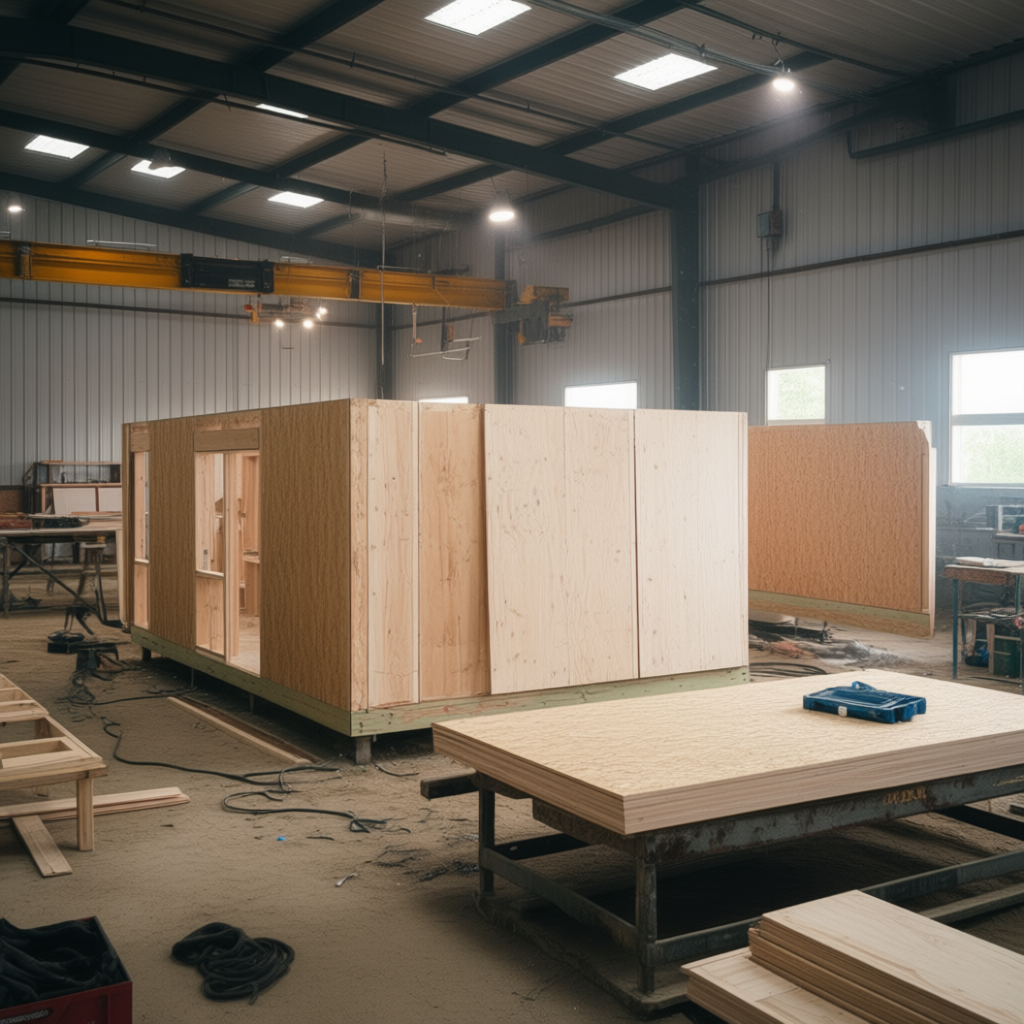
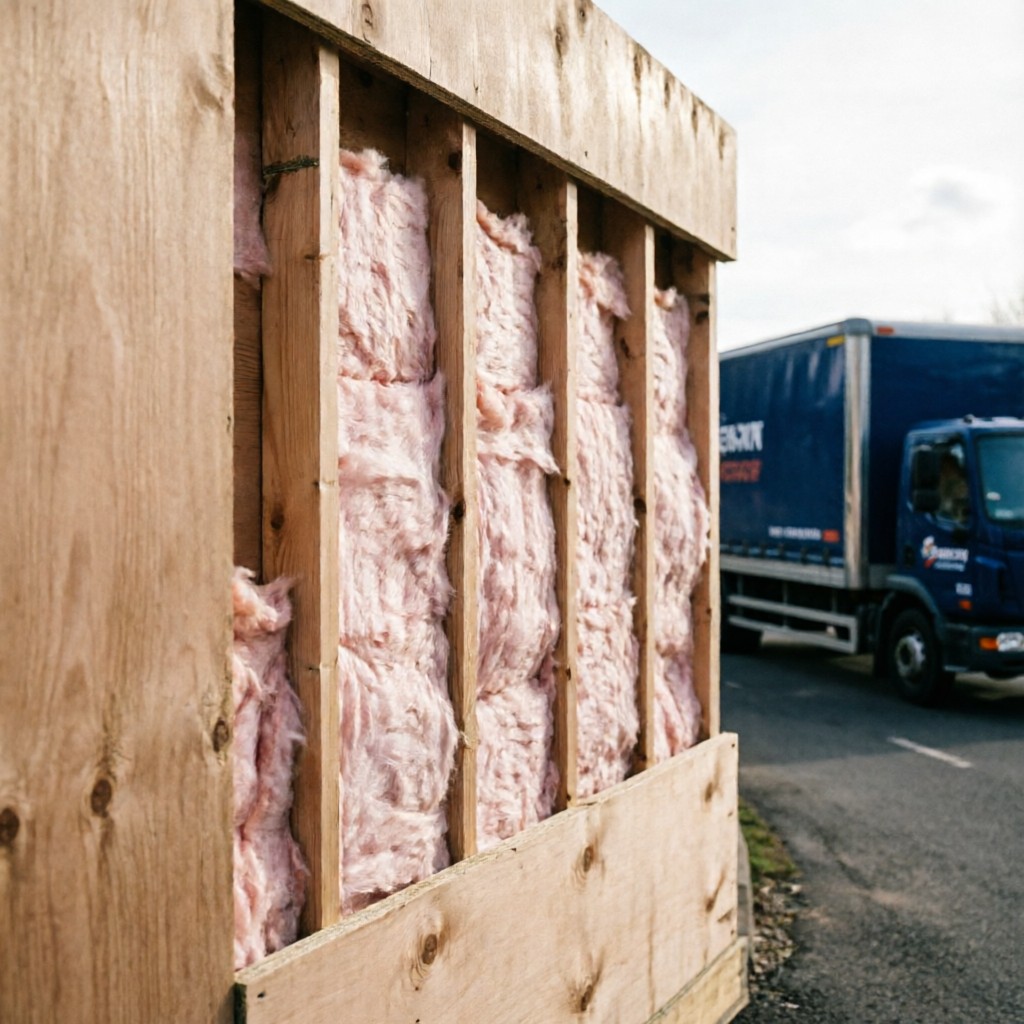
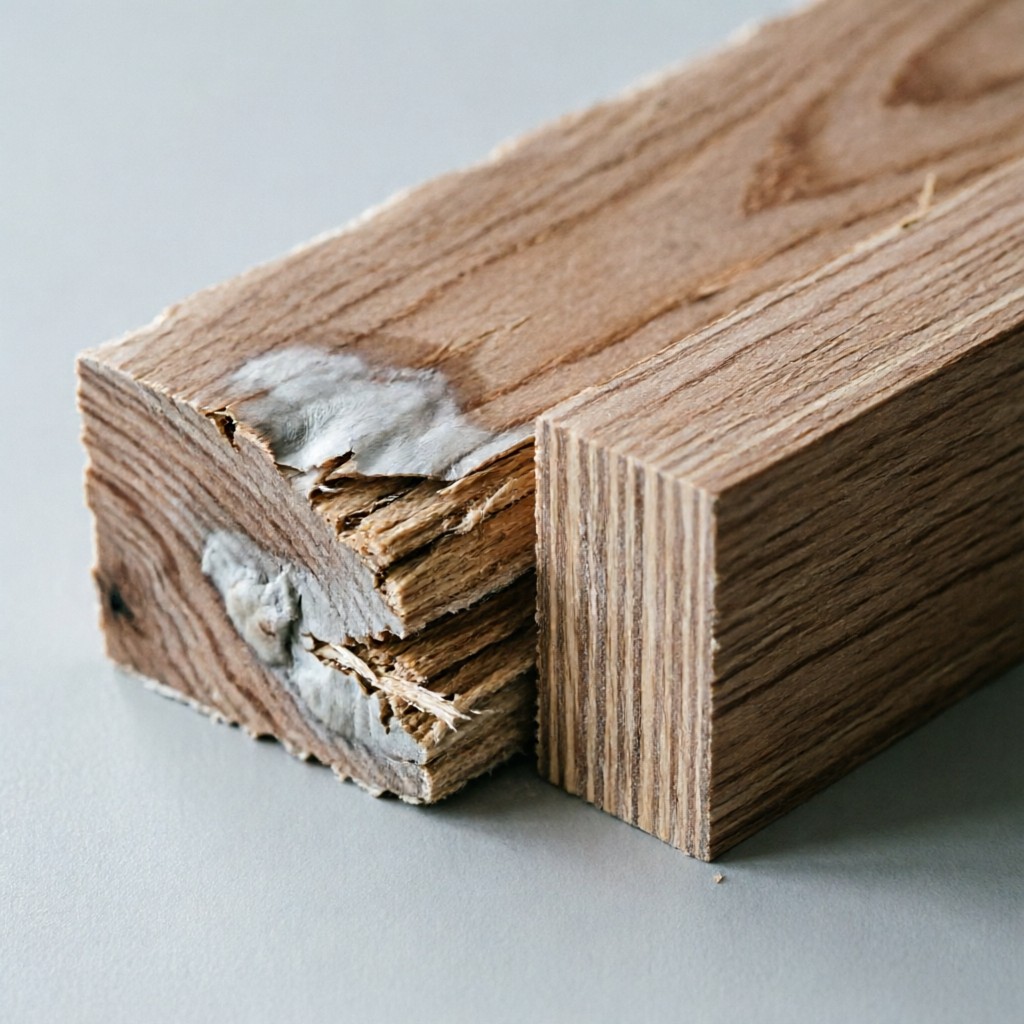
A common mistake in modular construction is specifying plywood based solely on static building code requirements, ignoring the dynamic stresses of highway transport. When a fully finished tiny home module hits a pothole or experiences harmonic vibration on a flatbed trailer, standard interior-grade glue bonds fail. The resulting delamination compromises the shear wall capacity, leading to racking issues once the unit is placed on its foundation. For supply chain managers at major distributors or manufacturers supplying brands like IKEA or Amazon, this translates to rejected shipments and damaged reputations.
The solution lies in treating the wall panel as a logistics asset, not just a building component. By prioritizing prefab tiny house wall sheathing specs that account for humidity spikes and mechanical shock, engineers can prevent these failures. This guide details the exact modulus of elasticity, veneer thickness, and glue bond standards necessary to create load bearing plywood for modular homes that withstand the rigors of modern supply chains.
Technical Specifications for Modular Wall Integrity
To ensure structural integrity during both transit and occupancy, procurement managers must enforce strict material benchmarks. Most generic guides overlook the specific shear wall capacity reductions caused by the narrow 2×4 stud spacing common in tiny homes versus standard 16-inch OC framing. To compensate for this reduced framing density, the sheathing itself must carry a higher load burden.
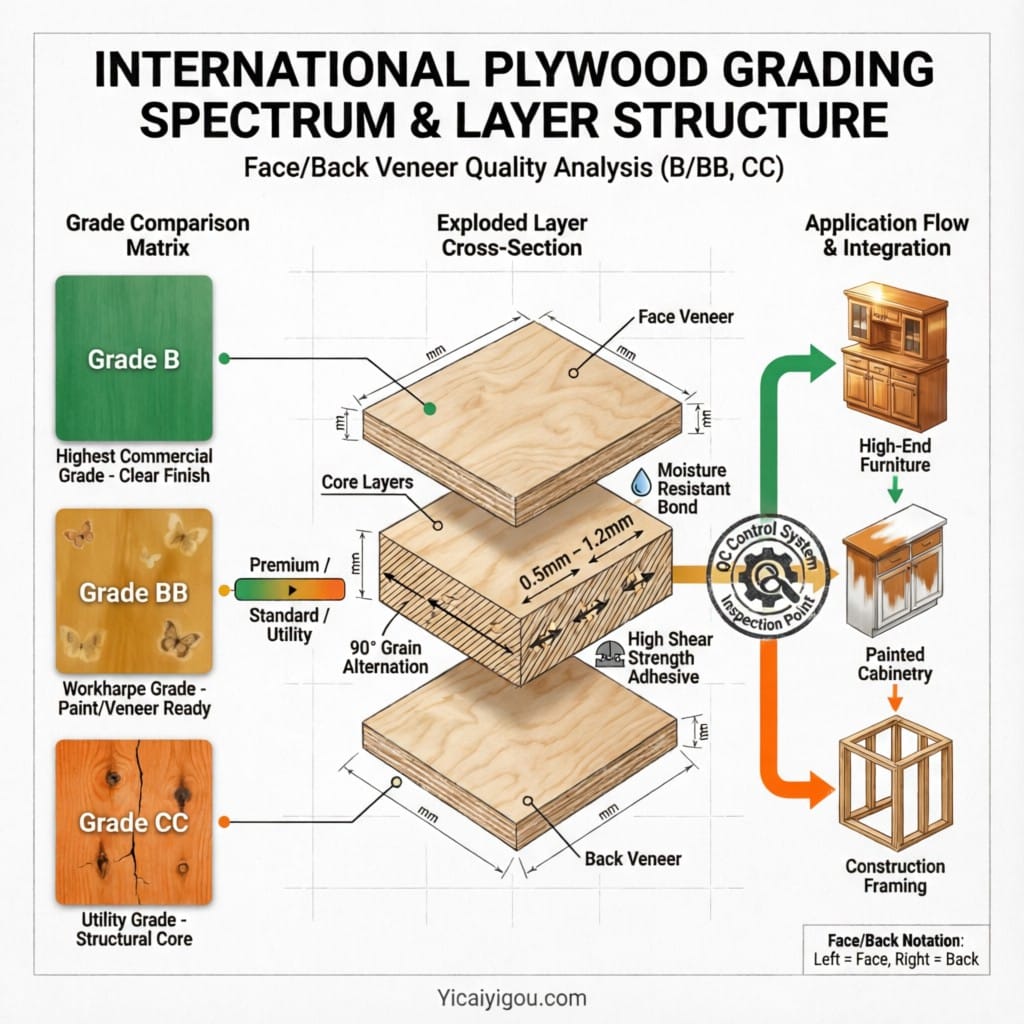
- Glue Bond Durability: Specify APA-rated Exposure 1 or Exterior glue bonds. These adhesives withstand the humidity spikes encountered during transit and outdoor storage, preventing delamination.
- Veneer Thickness: Require a minimum face veneer thickness of 1/8-inch. Thinner veneers are prone to “telegraphing,” where the underlying wood grain or core gaps show through thin interior finishes, ruining the aesthetic quality of high-end tiny homes.
- Stiffness Requirements: Target a modulus of elasticity (MOE) of at least 1.8 million psi. This high stiffness provides superior racking resistance in narrow wall frames, ensuring the structure remains square during lifting and placement.
- Code Compliance: Ensure compliance with PS 1-09 standards for structural sheathing. This certification ensures the product meets IRC Section R602.3 requirements, which is non-negotiable for permitting in most US jurisdictions.
Comparative Analysis: Standard vs. Transport-Grade Plywood
Selecting the right panel involves balancing cost against performance metrics. The following table compares standard interior plywood against the transport-grade structural plywood recommended for modular tiny homes.
| Specification | Standard Interior Plywood | Transport-Grade Structural Plywood |
|---|---|---|
| Glue Bond Type | Interior (Urea Formaldehyde) | Exposure 1 / Exterior (Phenolic) |
| Min. Face Veneer | 1/16-inch | 1/8-inch |
| Modulus of Elasticity | ~1.4 million psi | ≥ 1.8 million psi |
| PS 1-09 Compliance | Optional / Non-Structural | Mandatory for Sheathing |
| IRC Section R602.3 | Does Not Meet | Fully Compliant |
| Humidity Resistance | Low (Swells >5%) | High (Swells <2%) |
| Shear Wall Capacity | Standard Rating | Enhanced for Narrow Studs |
| CNC Edge Swelling | High Risk | Low Risk with Proper Sealing |
The key takeaway is that while standard plywood may suffice for stationary construction, it lacks the dynamic resilience required for modular delivery. The higher MOE and exterior glue bonds of transport-grade plywood provide a safety margin that protects the manufacturer from liability.
Industry Applications and Precision Manufacturing
Yicaiyigou supports manufacturers who require precision in their structural plywood for tiny home walls. Our production capabilities align with the demands of high-volume prefab facilities. For instance, our structural plywood is engineered to maintain tight tolerances during CNC cutting. Competitors rarely address the impact of CNC cutting tolerances on edge-swelling rates for factory-finished wall panels. Poorly cut edges expose the core to moisture, leading to swelling that ruins interior finishes. Yicaiyigou’s precision machining ensures clean cuts that minimize this risk, crucial for maintaining the aesthetic standards expected by consumers buying premium tiny homes.
Our facility produces panels with consistent density and strength, supporting the high MOE requirements of 1.8 million psi. We offer standard sizes of 2440x1220mm with thicknesses ranging from 3mm to 30mm, allowing for versatile application in both sheathing and interior finish layers. With a lead time of 15-25 days and an MOQ of one 20ft container (holding 20-25 m³), we provide the supply chain reliability needed for just-in-time manufacturing models.
Why Exporters Choose Yicaiyigou for Compliance-Ready Panels
Yicaiyigou positions itself as a technical partner, providing certified test data for transport-load simulation. This ensures the plywood specification matches the specific dynamic stresses of modular delivery rather than just static building codes. We hold FSC, CARB P2, CE, and ENF certifications, ensuring our products meet global environmental and safety standards. Specifically, our formaldehyde emissions are strictly controlled: ENF ≤0.05 mg/L, E0 ≤0.07 ppm, and CARB P2 ≤0.11 ppm for composites. This level of compliance is critical for exporters targeting markets with strict regulations like the EU Deforestation Regulation (EUDR), effective Dec 30, 2024.
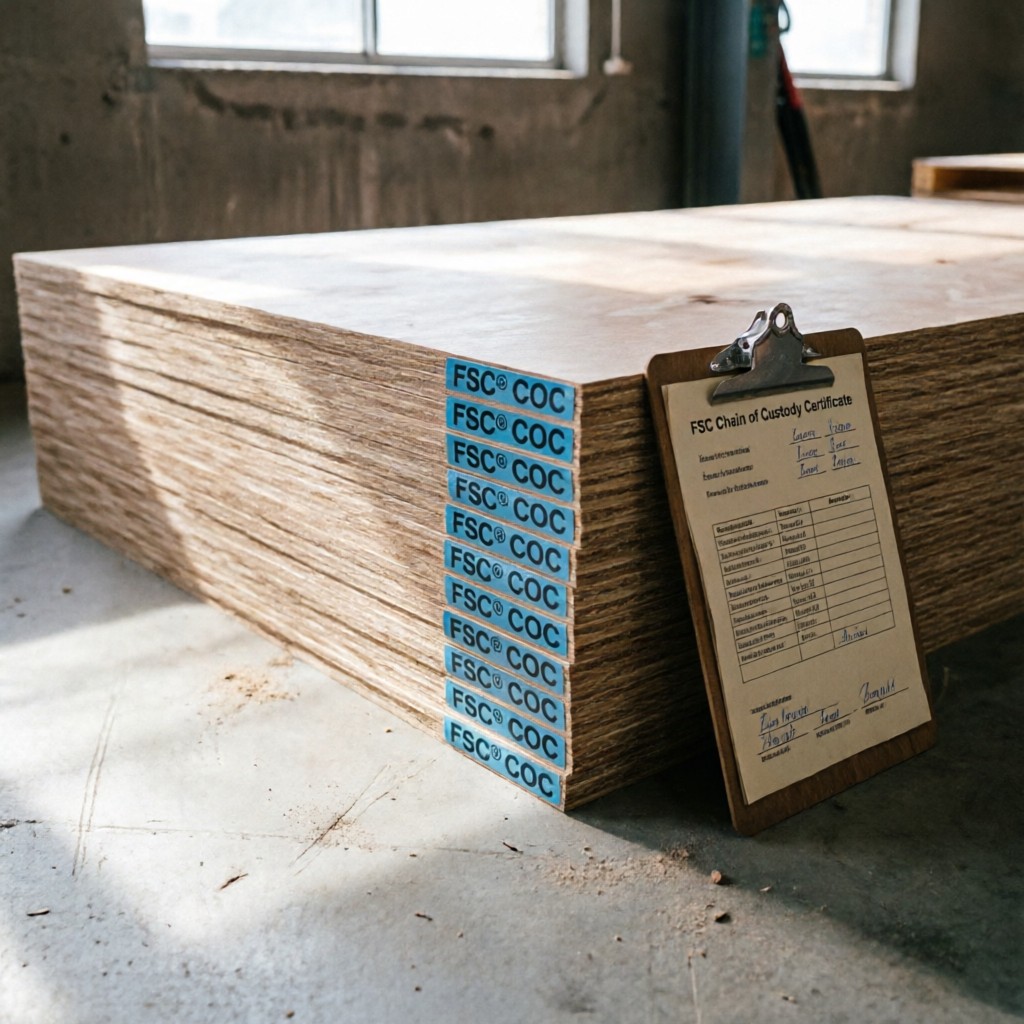
We provide full Chain of Custody (CoC) documentation, offering transparency from forest to factory. This traceability is increasingly demanded by major buyers like Apple and Tesla for their supply chain sustainability reports. By choosing Yicaiyigou, you secure not just a material supplier, but a partner committed to regulatory compliance and technical excellence. Request a compliant material sample with full CoC documentation to verify our specifications against your project needs.
FAQ
What is the minimum MOE for plywood used in tiny home shear walls?
Target a modulus of elasticity (MOE) of at least 1.8 million psi to ensure sufficient racking resistance in narrow 2×4 stud frames typical of tiny homes.
How does CNC cutting affect plywood edge swelling?
Precise CNC cutting minimizes core exposure; however, using Exposure 1 or Exterior glue bonds is essential to prevent swelling if edges are exposed to humidity during transit.
What formaldehyde standard does Yicaiyigou meet for EU exports?
Yicaiyigou meets the ENF standard with formaldehyde emissions ≤0.05 mg/L, which is stricter than the E0 (≤0.07 ppm) and CARB P2 (≤0.11 ppm) standards.
Is PS 1-09 compliance mandatory for tiny home permits?
Yes, compliance with PS 1-09 standards for structural sheathing is required to meet IRC Section R602.3, which is the basis for most US building permits.
What is the lead time for a 20ft container order?
The standard lead time for a 20ft container order (20-25 m³) is 15-25 days, depending on current production schedules and customization requirements.
Summary & Next Steps
Engineers and procurement managers must specify structural plywood for tiny home walls with an MOE of at least 1.8 million psi and Exposure 1 glue bonds to prevent transit-related failures. Ignoring these specs risks delamination and costly warranty claims. By partnering with Yicaiyigou, you gain access to FSC-certified, precision-manufactured panels that meet CARB P2 and ENF standards, ensuring both structural integrity and regulatory compliance.
Request a [compliant sample / spec sheet / cutting sample] with full [CoC / test report / compatibility data] from Yicaiyigou.
Frequently Asked Questions
Why do standard plywood panels often fail during the transport of modular tiny homes?
Standard plywood often fails because it is specified based on static building code requirements rather than dynamic transit stresses. Interior-grade glue bonds cannot withstand the high-vibration, mechanical shock, and humidity spikes experienced on flatbed trailers, leading to delamination and compromised shear wall capacity.
What are the financial and structural consequences of using inadequate plywood for tiny home wall panels?
Structurally, delamination compromises shear wall capacity, causing racking issues once the unit is placed on its foundation. Financially, this leads to costly warranty claims, structural repairs that can exceed 15% of project margins, rejected shipments, and damage to manufacturer reputations.
What specific glue bond type is recommended for prefab tiny house wall sheathing to prevent delamination?
Manufacturers should specify APA-rated Exposure 1 or Exterior glue bonds (such as Phenolic adhesives). These adhesives are designed to withstand humidity spikes encountered during transit and outdoor storage, preventing the bond failure common with interior-grade urea formaldehyde glues.
Why is a minimum face veneer thickness of 1/8-inch required for high-end tiny homes?
A minimum face veneer thickness of 1/8-inch is required to prevent ‘telegraphing,’ a defect where underlying wood grain or core gaps show through thin interior finishes. Thinner veneers (such as 1/16-inch) are prone to this issue, which ruins the aesthetic quality of the finished home.
What modulus of elasticity (MOE) is necessary for plywood used in narrow-framed tiny home walls, and why?
A modulus of elasticity (MOE) of at least 1.8 million psi is required. Because tiny homes often use narrow 2×4 stud spacing compared to standard framing, the sheathing must carry a higher load burden; this high stiffness ensures superior racking resistance and keeps the structure square during lifting and placement.