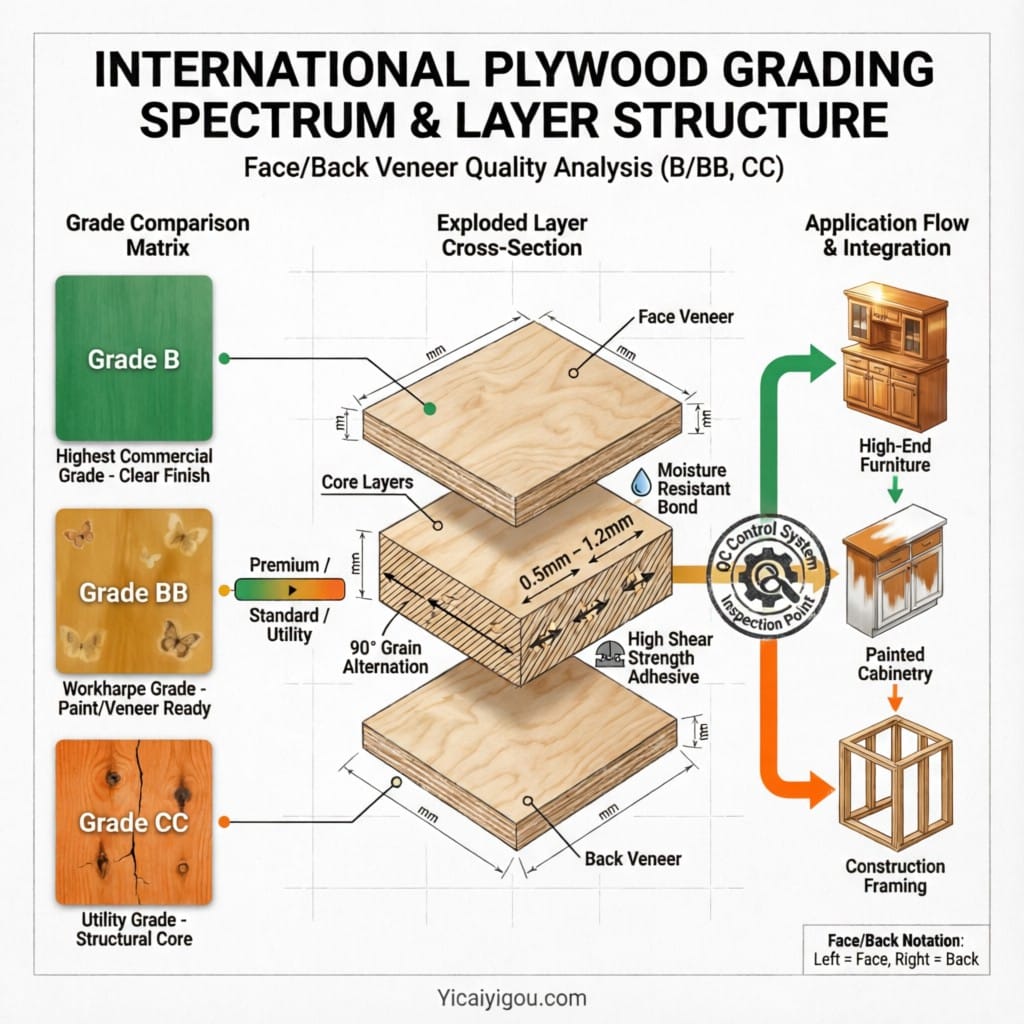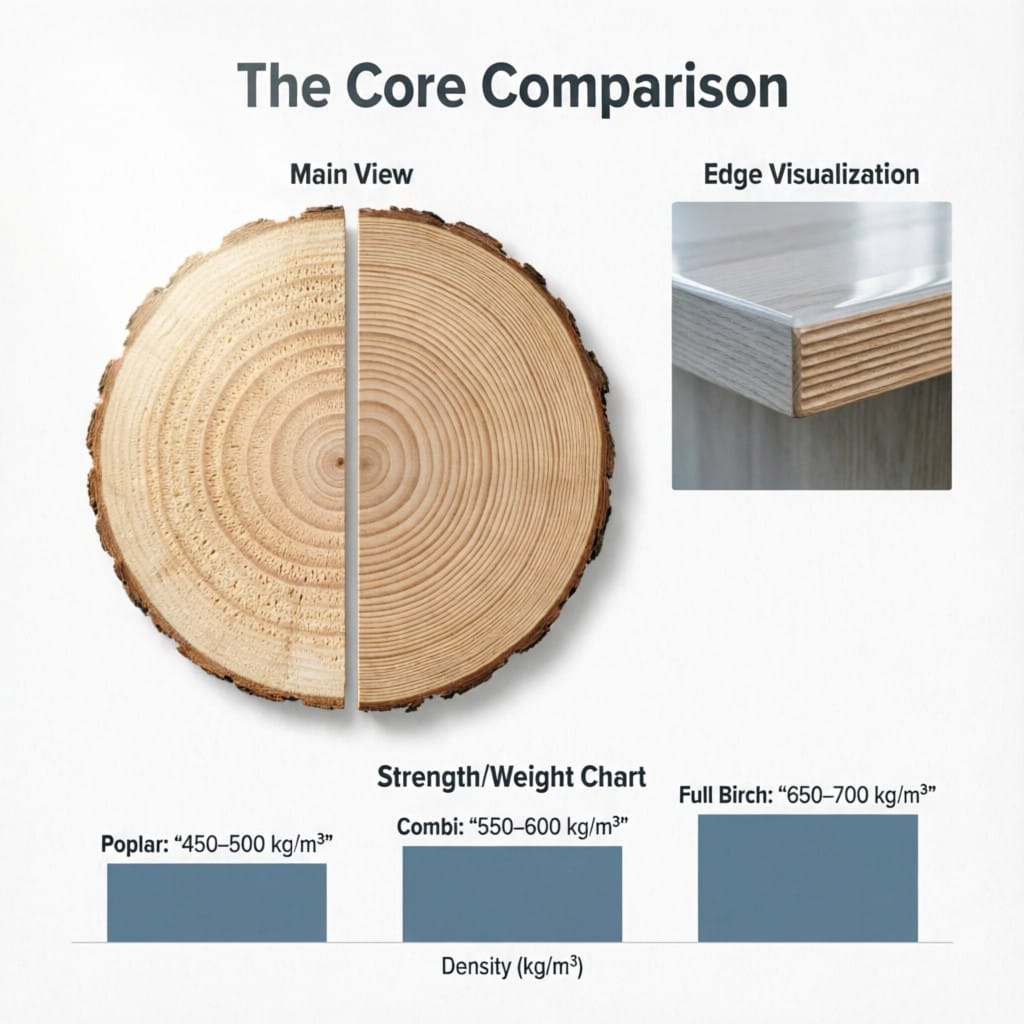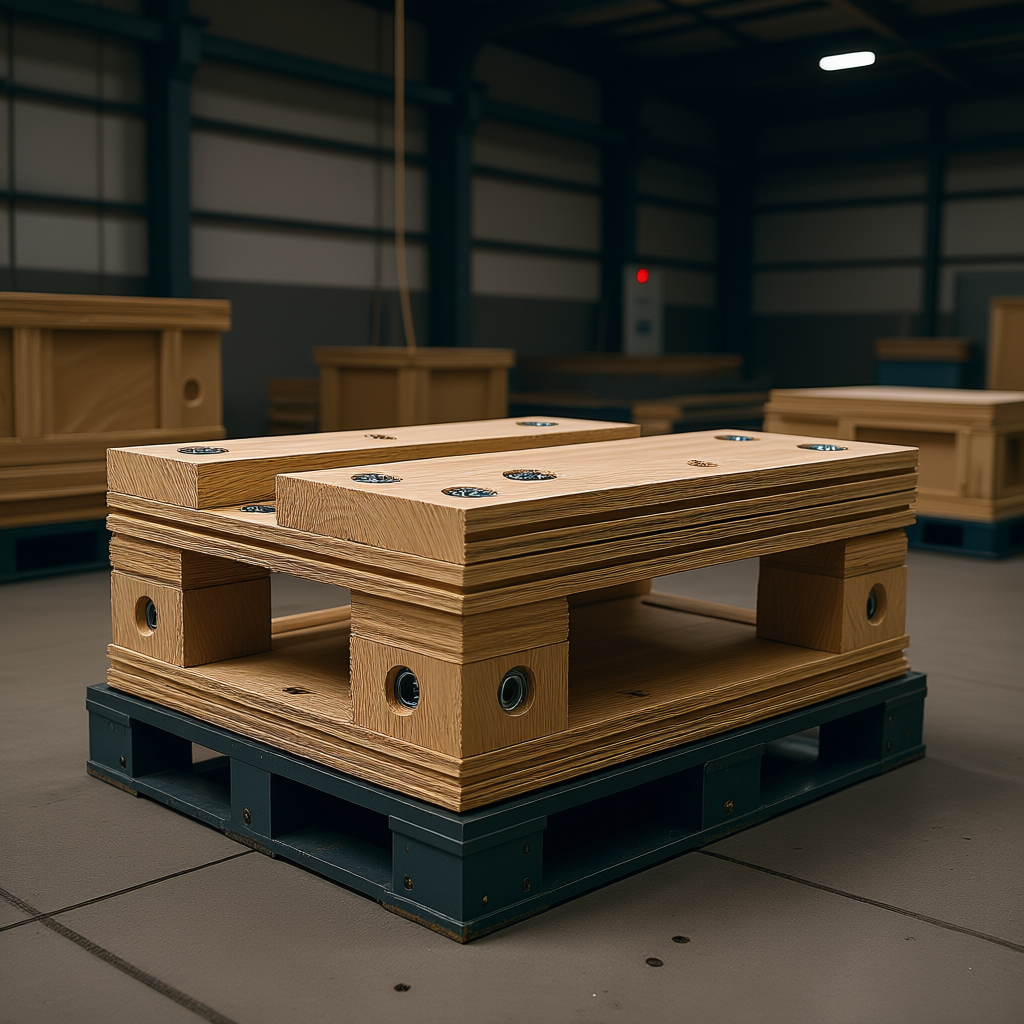
| Feature | Premium Hardwood (Grade A Birch) | ISO 9876 Low-Grade Plywood |
|---|---|---|
| Primary Use Case | Display-grade, aesthetic applications | Single-use industrial shipping crates |
| Logistics Cost Impact | Inflates costs by 15-20% | Reduces tare weight and freight expenses |
| Load-Bearing Capacity | High (but excessive for single-use) | Up to 2,500 kg per cubic meter structure |
| Customs & Documentation | Complex documentation; risk of delays | Compliant; streamlined processing |
| Material Value Add | Zero structural value added post-factory | Optimized for mechanical benchmarks only |
| Supply Chain Efficiency | Inefficient; absorbs avoidable expenses | Eliminates waste; secures raw material savings |
Export managers frequently over-engineer single-use industrial crates with premium hardwood, inadvertently inflating logistics costs by 15-20% and risking customs delays due to unnecessary weight and documentation complexity. This article demonstrates how ISO 9876 standard low-grade plywood provides a compliant, high-strength alternative that eliminates waste while maintaining a load-bearing capacity of up to 2,500 kg per cubic meter structure. By pivoting to engineered low-grade solutions, supply chain leaders can secure immediate raw material savings without compromising structural integrity or regulatory compliance.
The Hidden Cost of Over-Engineered Crates
Consider a typical shipment of heavy machinery components destined for the EU. Procurement teams often specify Grade A Birch plywood for crate construction, assuming higher aesthetic quality equates to better protection. However, for single-use shipping, this is a critical financial error. The premium paid for knot-free veneers adds zero value to the crate’s structural performance once it leaves the factory floor. More critically, dense hardwoods increase tare weight, directly impacting freight costs on air and sea routes where every kilogram counts.
Major OEMs like Tesla and Apple have long optimized their supply chains by right-sizing packaging materials to exact load requirements rather than defaulting to premium grades. When export managers fail to distinguish between display-grade and structural-grade materials, they absorb avoidable expenses. The solution lies in utilizing engineered low-grade plywood that meets specific mechanical benchmarks rather than visual ones. This approach resolves the dual pain points of excessive material expenditure and logistical inefficiency, allowing companies to redirect budget toward core product innovation.
Technical Specifications for Structural Integrity
To replace premium hardwoods effectively, the alternative material must meet rigorous engineering standards. Yicaiyigou’s structural plywood solutions are engineered to utilize ISO 9876 standard low-grade plywood with a minimum bending strength of 18 MPa. This metric ensures that the panel can withstand dynamic loads during transit without delamination or fracture. Unlike generic “commercial” plywood, these panels are designed specifically for heavy-duty applications where internal core consistency matters more than surface veneer quality.
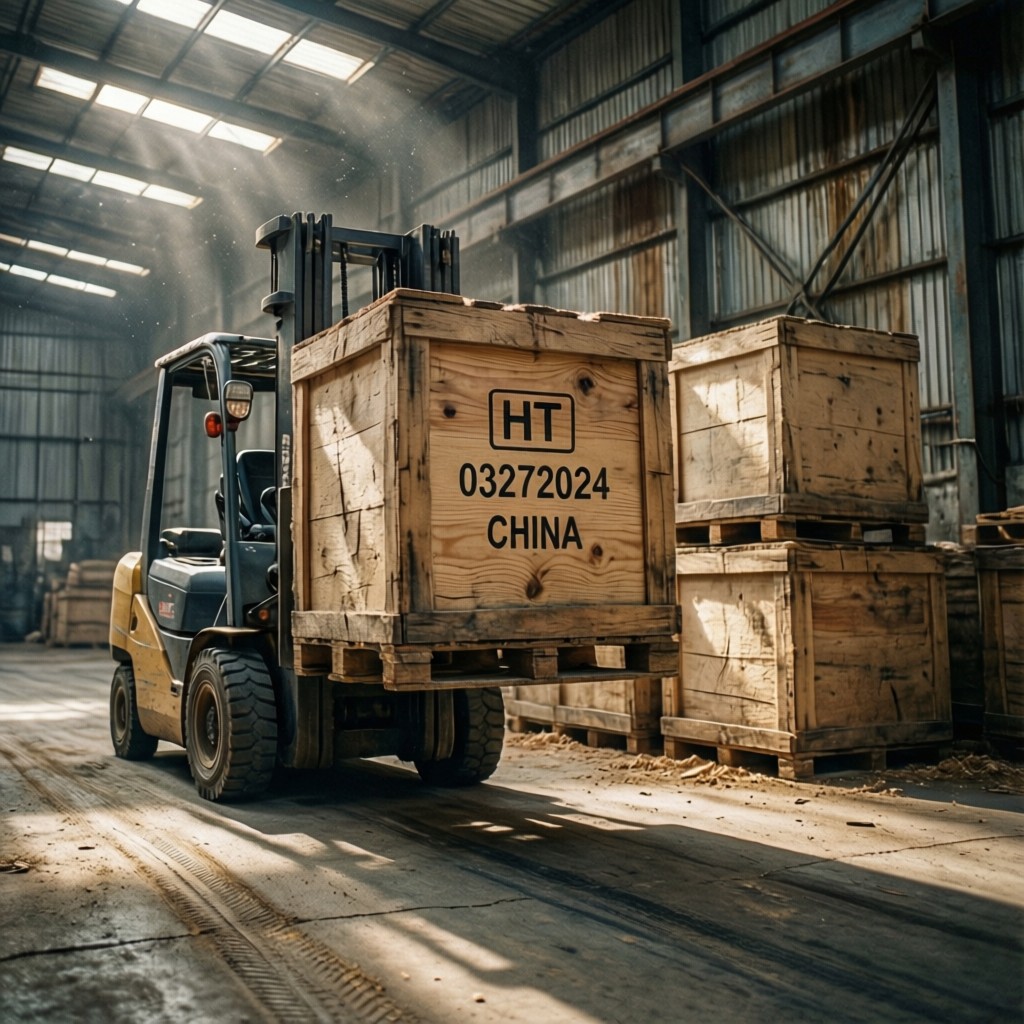
Compliance with international phytosanitary regulations is non-negotiable. Our materials achieve ISPM 15 compliance through precise heat treatment at 56°C for 30 minutes. This process eliminates pests and pathogens, ensuring smooth customs clearance in strict markets like the EU and Australia. Crucially, this treatment does not compromise the wood’s mechanical properties, maintaining the required shear strength for mixed-species cores.
- Bending Strength: Minimum 18 MPa (ISO 9876)
- Heat Treatment: 56°C for 30 minutes (ISPM 15 compliant)
- Load Capacity: Up to 2,500 kg per cubic meter structure
- Cost Efficiency: 40% reduction in raw material expenditure vs. Grade A Birch
Performance Comparison: Low-Grade Structural vs. Grade A Birch
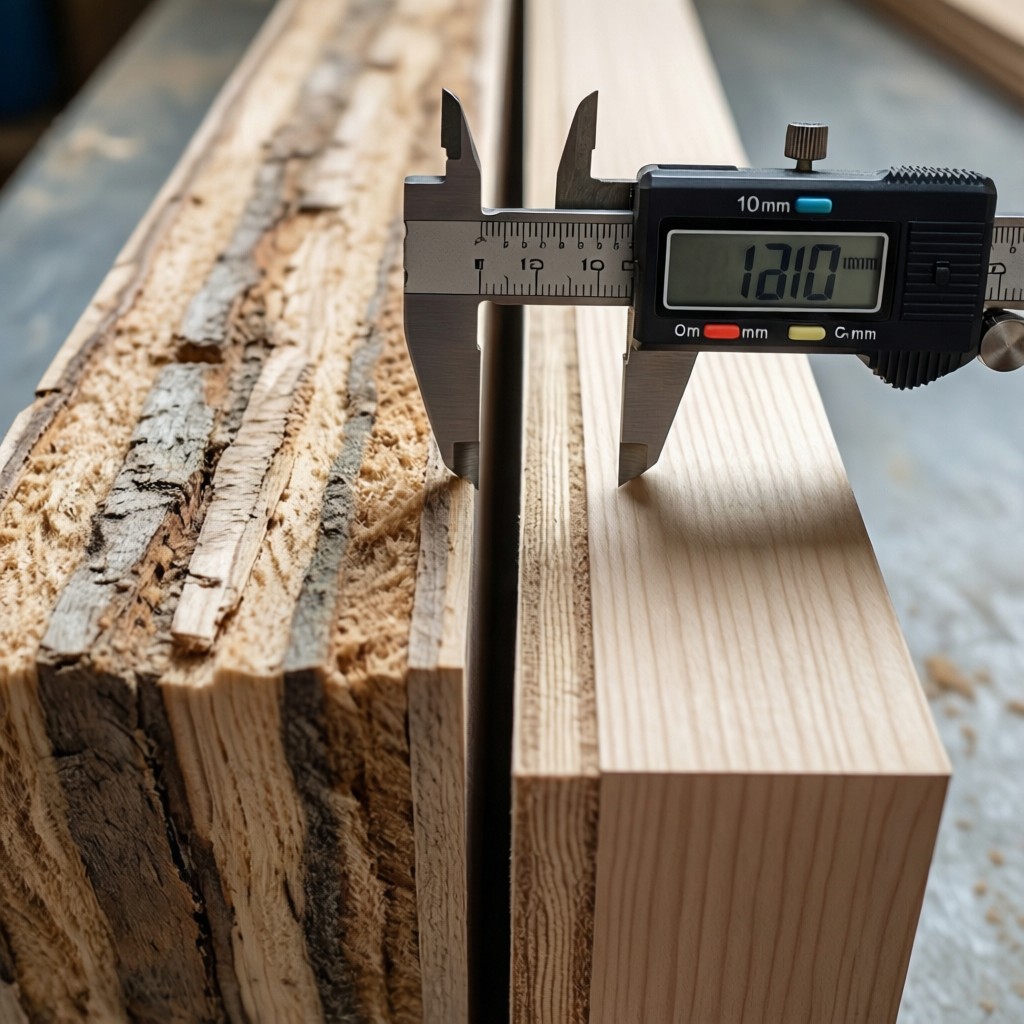
The following table compares engineered low-grade structural plywood against traditional Grade A Birch plywood for single-use industrial packing. Note that while Birch offers superior surface aesthetics, it fails to provide proportional structural benefits for hidden crate components, while costing significantly more.
| Metric | Low-Grade Structural Plywood | Grade A Birch Plywood |
|---|---|---|
| Bending Strength | ≥ 18 MPa (ISO 9876) | ≥ 22 MPa |
| Raw Material Cost | Baseline (100%) | +40% Premium |
| ISPM 15 Compliance | Certified HT (56°C/30min) | Certified HT (56°C/30min) |
| Load Capacity | 2,500 kg/m³ structure | 2,600 kg/m³ structure |
| Surface Quality | Industrial/Rough | Knot-free/Sanded |
| Core Composition | Mixed-species engineered | Uniform Birch veneer |
| Shear Strength Data | Published specific values | Often unspecified for mixed cores |
| Customs Risk | Low (Clear HT markings) | Low (Clear HT markings) |
| Best Use Case | Single-use heavy crates | Reusable/Display crates |
The key takeaway is that the 40% cost premium for Birch yields only a marginal 4% increase in load capacity, which is rarely necessary for standard industrial shipping. For one-way logistics, the low-grade option provides optimal ROI.
Real-World Application: Heavy Machinery Export
For a manufacturer exporting CNC aluminum enclosures or precision machining centers, crate integrity is paramount. Yicaiyigou supplies structural plywood panels in standard sizes of 2440x1220mm with thicknesses ranging from 3mm to 30mm. For a typical 20ft container holding 20-25 m³ of goods, using low-grade structural ply for base skids and wall panels reduces the total packaging weight significantly compared to hardwood.
Consider a scenario involving the export of high-density particleboard processing equipment. The crates must support static loads during ocean transit and dynamic shocks during handling. By specifying our low-grade plywood with its verified 18 MPa bending strength, engineers ensure the crate walls resist bulging under pressure. Furthermore, because the material is derived from sustainable sources, it aligns with the EUDR (EU Deforestation Regulation) effective Dec 30, 2024, provided proper Chain of Custody documentation is maintained.
Why Exporters Choose Yicaiyigou for Compliance-Ready Panels
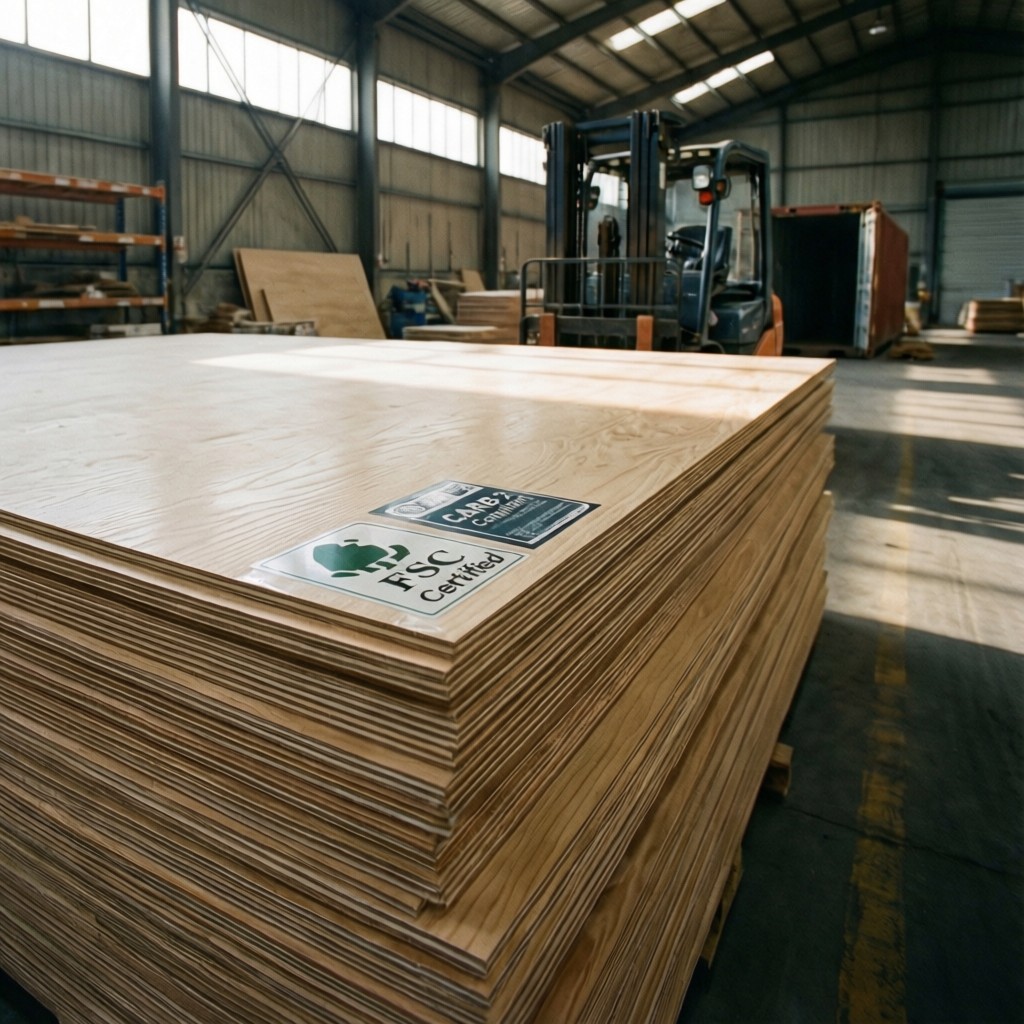
Yicaiyigou distinguishes itself by providing transparent, data-backed material specifications that simplify procurement decisions. We do not just sell wood; we deliver compliance assurance. Our facilities operate under strict FSC and CARB P2 certifications, ensuring that even our low-grade industrial products meet global environmental and safety standards. For buyers concerned about formaldehyde emissions, our products adhere to ENF (≤0.05 mg/L) and E0 (≤0.07 ppm) standards, far exceeding basic regulatory requirements.
We provide full Chain of Custody (CoC) documentation with every shipment, a critical requirement for navigating the new EUDR landscape. Our production lead time of 15-25 days and MOQ of one 20ft container allow for flexible supply chain planning. Whether you need High-Density Particleboard (density >800 kg/m³) for internal bracing or Structural Plywood for outer shells, our team ensures every panel meets the specified shear and bending strengths.
Which One To Choose
Specify Low-Grade Structural Plywood for single-use industrial crates, pallet bases, and heavy machinery shipping containers where surface aesthetics are irrelevant and cost efficiency is paramount. Specify Grade A Birch Plywood only for reusable returnable crates, retail-ready display packaging, or applications requiring high-quality surface finishing for direct customer visibility.
FAQ
What specific HT marking is required for EU entry on budget ply?
The crate must display the IPPC logo with the country code, producer number, and “HT” mark, confirming heat treatment at 56°C for 30 minutes, as per ISPM 15 standards.
Does low-grade plywood meet CARB P2 formaldehyde standards?
Yes, Yicaiyigou’s engineered low-grade plywood complies with CARB P2 limits (≤0.11 ppm for composites), ensuring safe indoor air quality even during unpacking.
How does the 18 MPa bending strength compare to standard softwood?
Standard softwood crates often range from 12-15 MPa; our 18 MPa specification provides a 20-50% safety margin for heavy industrial loads without the cost of hardwood.
Is Chain of Custody documentation available for EUDR compliance?
Yes, Yicaiyigou provides full FSC Chain of Custody documentation with every shipment, satisfying the traceability requirements of the EU Deforestation Regulation effective Dec 30, 2024.
What is the maximum thickness available for structural skids?
We offer thicknesses up to 30mm, which is ideal for heavy-duty base skids requiring high resistance to forklift penetration and static load distribution.
Summary & Next Steps
Transitioning to low-grade industrial packing solutions offers a proven path to reducing logistics costs by eliminating over-engineering. By leveraging ISO 9876 compliant materials with verified 18 MPa bending strength and ISPM 15 heat treatment, exporters can maintain structural integrity while cutting raw material expenditure by 40%.
Request a compliant material sample with full CoC documentation from Yicaiyigou to validate these specifications for your next shipment.
Frequently Asked Questions
Why do export managers often incur unnecessary costs when selecting materials for single-use industrial crates?
Export managers frequently over-engineer crates by using premium hardwoods like Grade A Birch, assuming aesthetic quality equals better protection. This inflates logistics costs by 15-20% due to increased tare weight and adds unnecessary expense for knot-free veneers that provide no structural value for single-use shipping.
What are the key technical specifications of the ISO 9876 standard low-grade plywood recommended in the article?
The recommended low-grade structural plywood features a minimum bending strength of 18 MPa, a load-bearing capacity of up to 2,500 kg per cubic meter structure, and achieves ISPM 15 compliance through heat treatment at 56°C for 30 minutes.
How does switching to engineered low-grade plywood impact raw material expenditures compared to Grade A Birch?
Switching to engineered low-grade structural plywood results in a 40% reduction in raw material expenditure compared to Grade A Birch plywood, allowing companies to secure immediate savings without compromising structural integrity.
How does the recommended low-grade plywood ensure compliance with international customs regulations?
The material achieves ISPM 15 compliance through precise heat treatment at 56°C for 30 minutes, which eliminates pests and pathogens. This ensures smooth customs clearance in strict markets like the EU and Australia without compromising the wood’s mechanical properties.
What is the primary difference in value proposition between Grade A Birch and low-grade structural plywood for industrial packing?
Grade A Birch offers superior surface aesthetics but carries a 40% cost premium with only marginally higher bending strength (≥ 22 MPa vs ≥ 18 MPa). For single-use crates where appearance is irrelevant, low-grade structural plywood provides sufficient mechanical performance and internal core consistency at a significantly lower cost.