Did you know that nearly 80% of a plywood panel’s perceived value is determined solely by its face veneer? In the competitive landscape of the global lumber industry, structural integrity is merely the baseline expectation. The true differentiator lies in the aesthetic appeal, grain consistency, and finishing potential of the surface layer. At Yicaiyigou, we understand that selecting the right veneer is not just about covering a core; it is about defining the character of the final wood products.
When architects and manufacturers specify materials, they often overlook the nuanced differences between species that appear similar to the untrained eye. Bintangor and Okoume are two such species that dominate the commercial plywood market. While both offer reddish hues and workable textures, their applications diverge significantly based on density, pore structure, and environmental resistance. Understanding these distinctions is crucial for anyone involved in sourcing timber for furniture, construction, or marine applications.
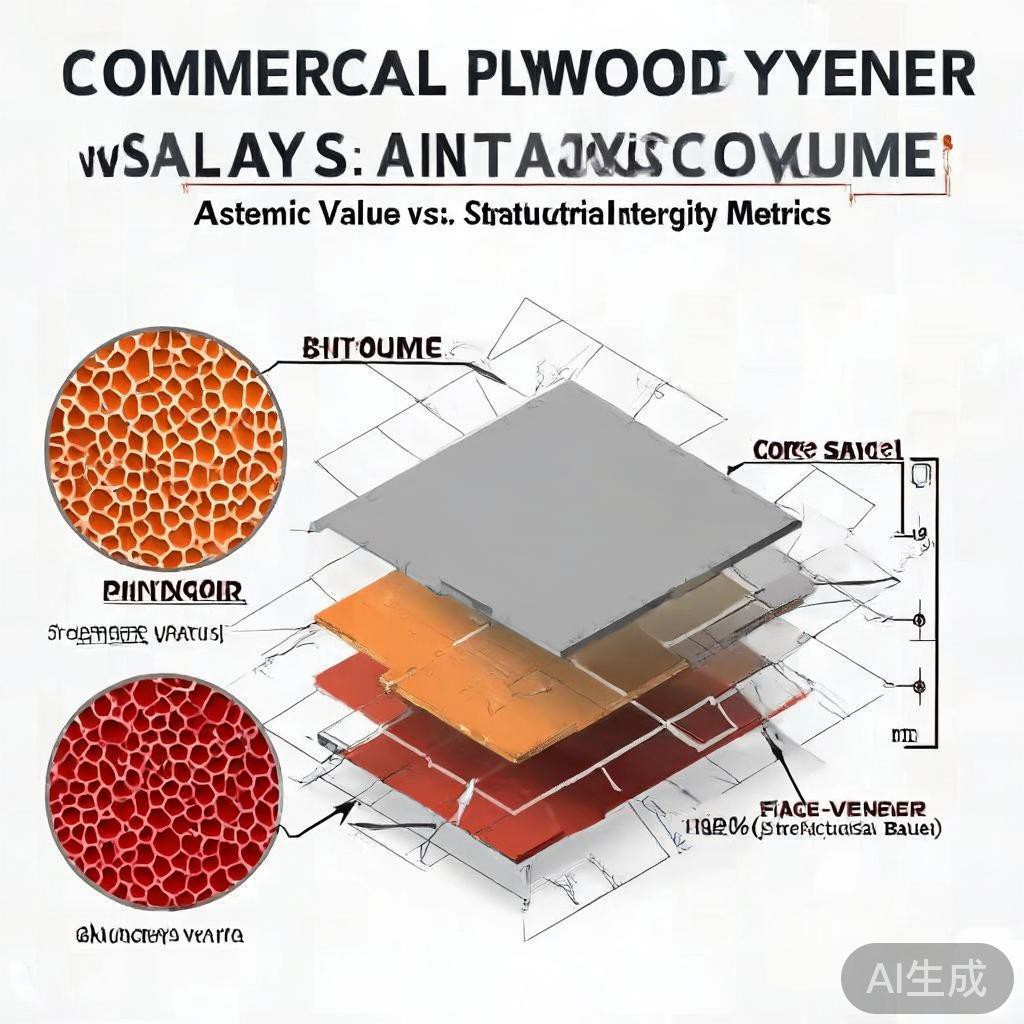
The Face Value of Commercial Plywood Panels
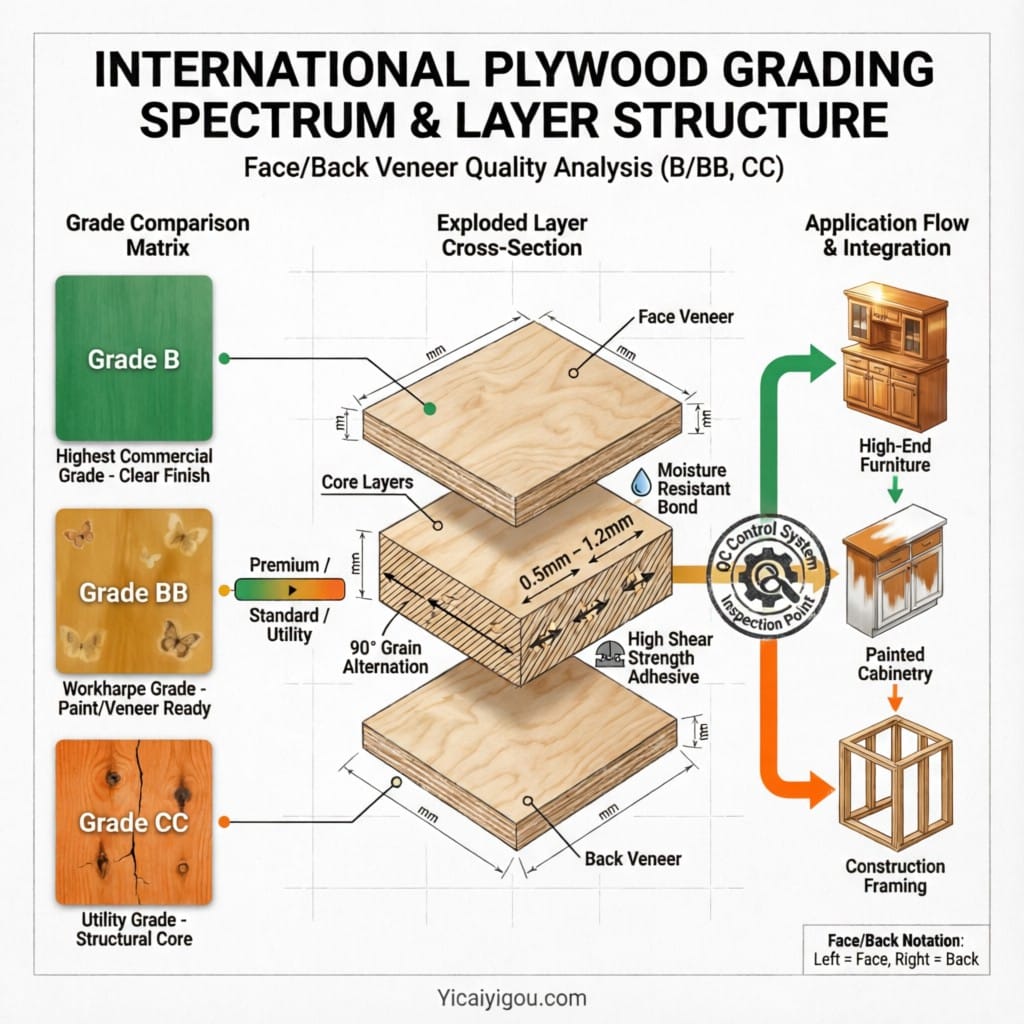
The veneer face is the handshake of the wood products industry. It is the first thing a client sees and the last thing they remember. In commercial plywood, the face veneer dictates not only the visual outcome but also the manufacturing workflow. A inconsistent grain can lead to higher rejection rates during finishing, while a stable veneer reduces waste and labor costs.
For Yicaiyigou, quality control begins at the log selection stage. We recognize that the aesthetic journey starts in the forest. The way a log is peeled—whether rotary cut for broad cathedral patterns or sliced for straight grain—impacts the final look. Commercial grades often prioritize yield, but premium projects demand a balance between efficiency and beauty. This is where the choice between Bintangor and Okoume becomes a strategic decision rather than a mere procurement task.
Bintangor Veneer: Warmth and Structural Consistency
Bintangor (Calophyllum spp.) is renowned for its uniformity. Sourced primarily from Southeast Asia, this hardwood offers a light red to pinkish-brown color that remains remarkably consistent across batches. This consistency is why Bintangor is a staple in the lumber supply chain for furniture cores and painted faces.
Grain Pattern and Workability
The grain of Bintangor is typically interlocked, which can produce a distinctive ribbon figure when quarter-cut. However, in commercial plywood, it is most often rotary peeled. This method yields a broad, somewhat muted grain pattern that provides an excellent substrate for laminates or opaque paints. Technically, Bintangor boasts a moderate density, usually hovering around 500-600 kg/m³ at 12% moisture content. This makes it heavy enough to feel substantial but light enough for easy handling during assembly.
Ideal Applications
Because of its smooth surface and lack of large voids, Bintangor is frequently used in door skins and cabinet backing. It accepts stains reasonably well, though its natural color can sometimes influence the final tone. For manufacturers seeking a cost-effective timber solution that does not compromise on visual warmth, Bintangor remains a top contender. Its stability under varying humidity conditions also makes it a reliable choice for interior joinery where warping is a concern.
Okoume Veneer: The Marine-Grade Aesthetic Standard
If Bintangor is the workhorse, Okoume (Aucoumea klaineana) is the thoroughbred of the veneer world. Native to West Africa, Okoume is prized for its exceptional smoothness and lightweight properties. It is the gold standard for marine plywood, but its aesthetic qualities make it equally valuable in high-end interior fit-outs.
Texture and Finishing Potential
Okoume possesses a very fine texture with minimal pore structure. This allows it to be finished to a glass-like smoothness with minimal filler required. The color ranges from pale pink to a deeper salmon red, often darkening slightly upon exposure to UV light. For wood products destined for clear coating, Okoume provides a luxurious appearance that mimics more expensive mahoganies.
Performance in Harsh Environments
The technical advantage of Okoume lies in its strength-to-weight ratio. It is one of the lightest commercial hardwood species available, yet it bonds exceptionally well with phenolic glues used in marine grades. This makes it ideal for boat building, exterior cladding, and transport flooring. At Yicaiyigou, we ensure that our Okoume veneers are free from loose knots and pinholes, ensuring that the aesthetic integrity matches the structural performance required in demanding environments.
Manufacturing Precision in Modern Wood Products
The beauty of veneer is lost if the manufacturing process is flawed. At Yicaiyigou, we emphasize the importance of core composition and glue distribution. A beautiful Okoume face glued over a voided core will eventually telegraph imperfections, ruining the aesthetic.
Core Layer Synergy
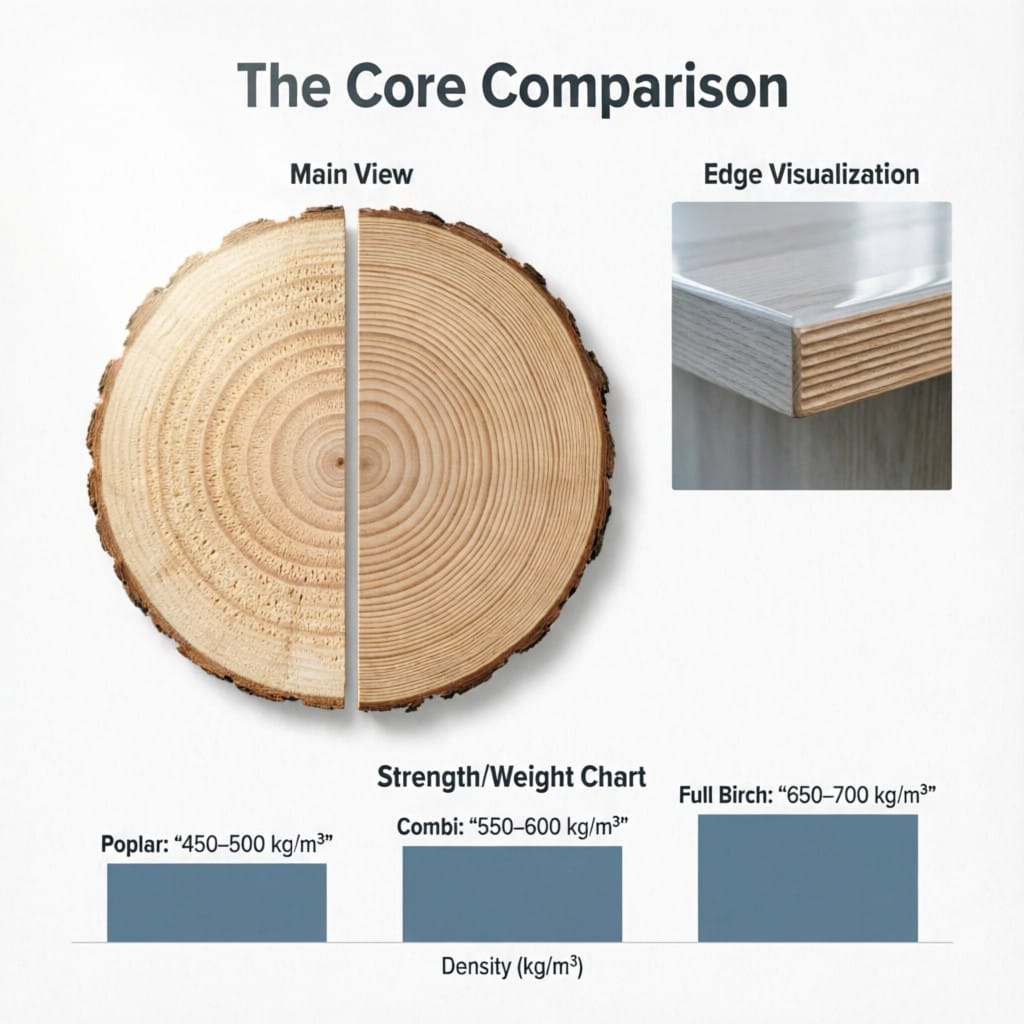
The interaction between the face veneer and the core lumber is critical. For Bintangor faces, we often pair them with poplar or combi cores to maintain flatness. For Okoume, especially in marine applications, the core must be of equal quality to prevent water ingress. Our production lines utilize precise hot-pressing techniques that ensure uniform pressure distribution. This prevents blisters and ensures that the natural beauty of the timber is preserved without surface defects.
Moisture Content Control
Technical excellence also involves moisture management. Veneer that is too dry becomes brittle, while veneer that is too wet invites mold and delamination. We maintain strict controls to keep moisture content between 8% and 12% before pressing. This precision ensures that the plywood panels remain stable after leaving our facility, reducing claims and returns for our partners.
Strategic Timber Selection for Project Longevity
Choosing between Bintangor and Okoume ultimately depends on the project’s end-use and budget. For painted interiors or structural cores where the face will be covered, Bintangor offers unbeatable value. For visible surfaces requiring a high-gloss finish or exposure to moisture, Okoume is the superior investment.
At Yicaiyigou, we guide our clients through these decisions based on technical data rather than just price. We believe that the right wood products specification prevents costly failures down the line. Whether you are building luxury yachts or mass-market furniture, the veneer defines the legacy of the build.
Partnering for Quality
The aesthetics of commercial plywood are not accidental; they are engineered. By understanding the unique properties of Bintangor and Okoume, manufacturers can elevate their output. Yicaiyigou stands ready to supply premium lumber and veneer solutions that meet the rigorous demands of the global market. Let us help you select the timber that best fits your vision, ensuring that every panel delivered is a testament to quality and craftsmanship.
Image Attachment
Frequently Asked Questions
What are the key aesthetic differences between Bintangor and Okoume veneer?
Bintangor veneer typically exhibits a light pinkish-brown to reddish-brown hue with a subtle, straight grain, offering a warm and uniform appearance. Okoume veneer, in contrast, features a pale salmon-pink to light brown color with a more pronounced, interlocked or wavy grain pattern, giving it a slightly more textured and lively look. For commercial plywood, Bintangor provides a clean, consistent base ideal for painting or light staining, while Okoume is often chosen for its natural, decorative appeal in visible applications like cabinetry or paneling.
Which veneer is more durable for commercial plywood applications?
Both Bintangor and Okoume offer good durability for commercial use, but Okoume generally has a slight edge in stability and resistance to warping due to its fine, uniform texture and lower density. Bintangor is moderately durable and performs well in interior applications, but it can be more prone to surface checking if not properly dried. For high-moisture environments or structural plywood, Okoume’s superior dimensional stability makes it a preferred choice, while Bintangor is excellent for cost-effective, decorative interior panels where moderate durability is sufficient.
Can Bintangor and Okoume veneer be stained or painted effectively?
Yes, both veneers accept stains and paints well, but with different results. Bintangor’s tight, consistent grain absorbs stains evenly, making it ideal for achieving a uniform color, especially with darker or opaque finishes. Okoume’s more open and interlocked grain can lead to uneven stain absorption, often requiring a wood conditioner for a smooth finish. For painting, Bintangor provides a smoother surface with less grain show-through, while Okoume may require additional primer coats to mask its natural pattern. Both are excellent for clear coatings to highlight their natural aesthetics.
How do the costs of Bintangor and Okoume veneer compare for commercial plywood?
Bintangor veneer is generally more affordable than Okoume, making it a cost-effective choice for large-scale commercial projects where budget is a primary concern. Okoume, being a premium African hardwood, typically commands a higher price due to its desirable grain, stability, and export demand. For commercial plywood, Bintangor offers excellent value for applications like interior wall panels or furniture cores, while Okoume is often selected for high-end visible surfaces where its aesthetic and performance justify the additional cost.
Are Bintangor and Okoume veneer sustainable choices for plywood manufacturing?
Both species can be sustainable when sourced from responsibly managed forests. Bintangor (often from Southeast Asia) is widely cultivated and harvested under certification programs like PEFC or FSC in many regions, supporting reforestation. Okoume, primarily from Central Africa, is also available with FSC certification, though concerns about illegal logging exist in some areas. For commercial plywood, choosing suppliers with verified chain-of-custody certifications ensures environmental responsibility. Both veneers are renewable and have a lower carbon footprint compared to synthetic alternatives, making them eco-friendly options when sourced ethically.
| Specification | Bintangor Veneer | Okoume Veneer |
|---|---|---|
| Common Thickness Range | 0.5 mm – 0.8 mm | 0.6 mm – 1.0 mm |
| Color & Grain | Light pinkish-brown to pale red; fine, uniform texture with occasional small knots | Light salmon to golden brown; straight, even grain with a silky luster |
| Density (at 12% MC) | Approx. 450–550 kg/m³ | Approx. 380–480 kg/m³ |
| Typical Use in Plywood | Core and back veneers for interior panels, furniture, and decorative laminates | Face veneers for marine plywood, cabinetry, and high-end architectural panels |
| Stability & Finishing | Good dimensional stability; accepts paints and stains evenly | Excellent stability in humid conditions; takes clear lacquer and varnish well |
“`json
“`