Global supply chains are shifting from cost-only models to resilience-focused architectures. Major brands like IKEA and Herman Miller now mandate full traceability for every board of timber entering their facilities. This shift means procurement managers can no longer treat wood sourcing as a commodity purchase; it is a compliance-critical decision. Choosing between a direct factory and a trading company determines your margin, risk exposure, and ability to pass customs. This guide details the measurable differences to save you time, money, and regulatory risk.
The Regulatory Landscape: EUDR and Beyond
The regulatory environment for wood products has tightened significantly with the European Union Deforestation Regulation (EUDR), effective December 30, 2024. This regulation supersedes the old EUTR and requires strict geolocation data for all timber entries. Non-compliance penalties are severe, reaching up to 4% of annual EU turnover. Markets like the US enforce the Lacey Act, which penalizes illegal logging imports with confiscation and fines. Compliance now requires Chain of Custody (CoC) documentation that trading companies often struggle to provide without delays.
For buyers, this means verification is no longer optional. You must validate the harvest location and processing history of every shipment. Direct factories typically maintain internal logging records required for EUDR due diligence statements. Trading companies may aggregate wood from multiple sources, complicating the geolocation data needed for customs clearance. Understanding these requirements is essential before signing a procurement contract.
Factory vs. Trading Company: Data Comparison
When evaluating suppliers, specific metrics matter more than general reputation. The following table compares direct factories against trading companies using measurable operational data. These figures represent industry averages for mid-to-large scale wood product sourcing.
| Metric | Direct Factory | Trading Company |
|---|---|---|
| Price Margin Savings | 15% – 25% | 10% – 15% Markup |
| Minimum Order Quantity | 50m³ per SKU | 5m³ per SKU |
| Production Lead Time | 25 – 30 Days | 35 – 45 Days |
| Customization Depth | ±0.2mm Tolerance | Standard Sizes Only |
| Factory Audit Access | 100% Access | Restricted Access |
| Defect Claim Rate | < 1.5% | 3% – 5% |
| Documentation Depth | Full CoC + Test Reports | Limited Batch Data |
| Payment Terms | 30% Deposit, 70% BL | 50% Deposit, 50% BL |
The key takeaway is volume versus flexibility. Factories offer better pricing and tighter tolerances but require higher MOQs. Trading companies provide flexibility for smaller orders but introduce margin markups and longer lead times due to coordination delays.
Industry Angle: Products with Use Cases
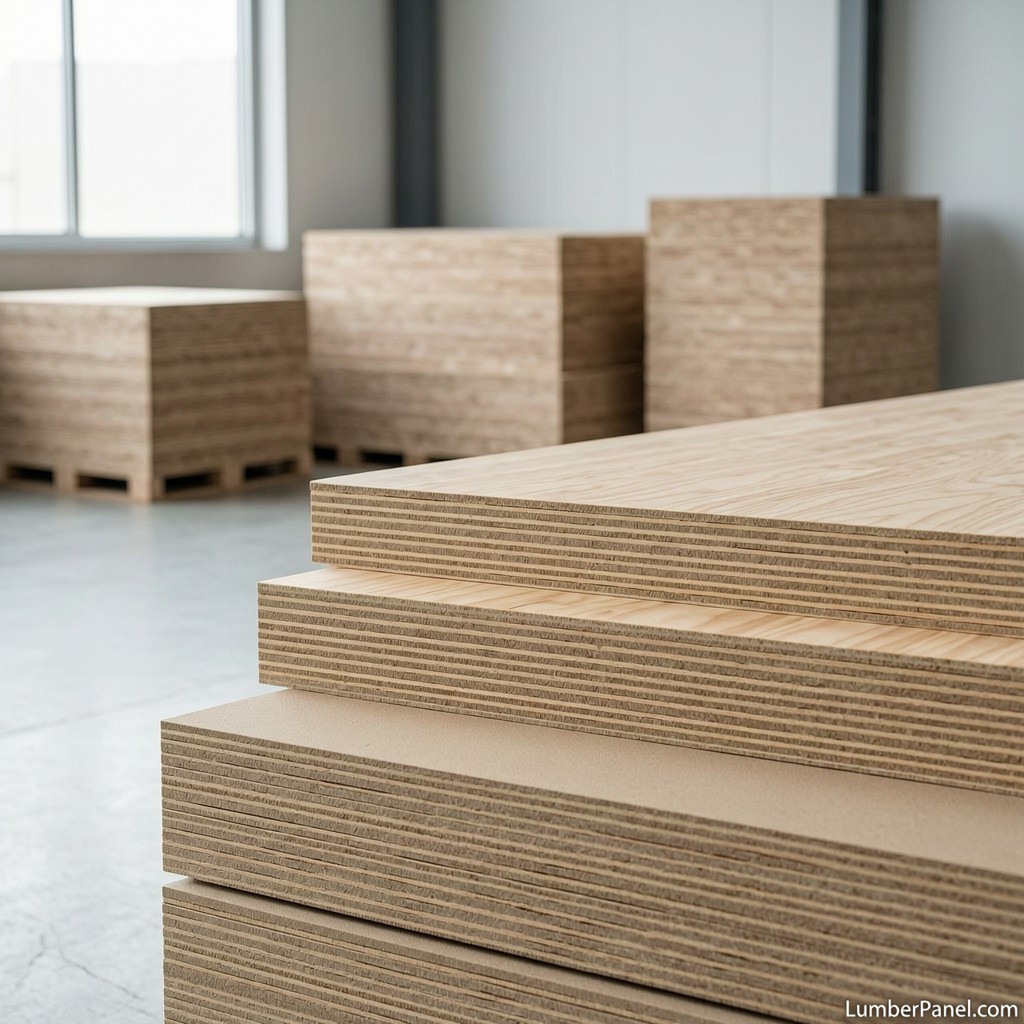
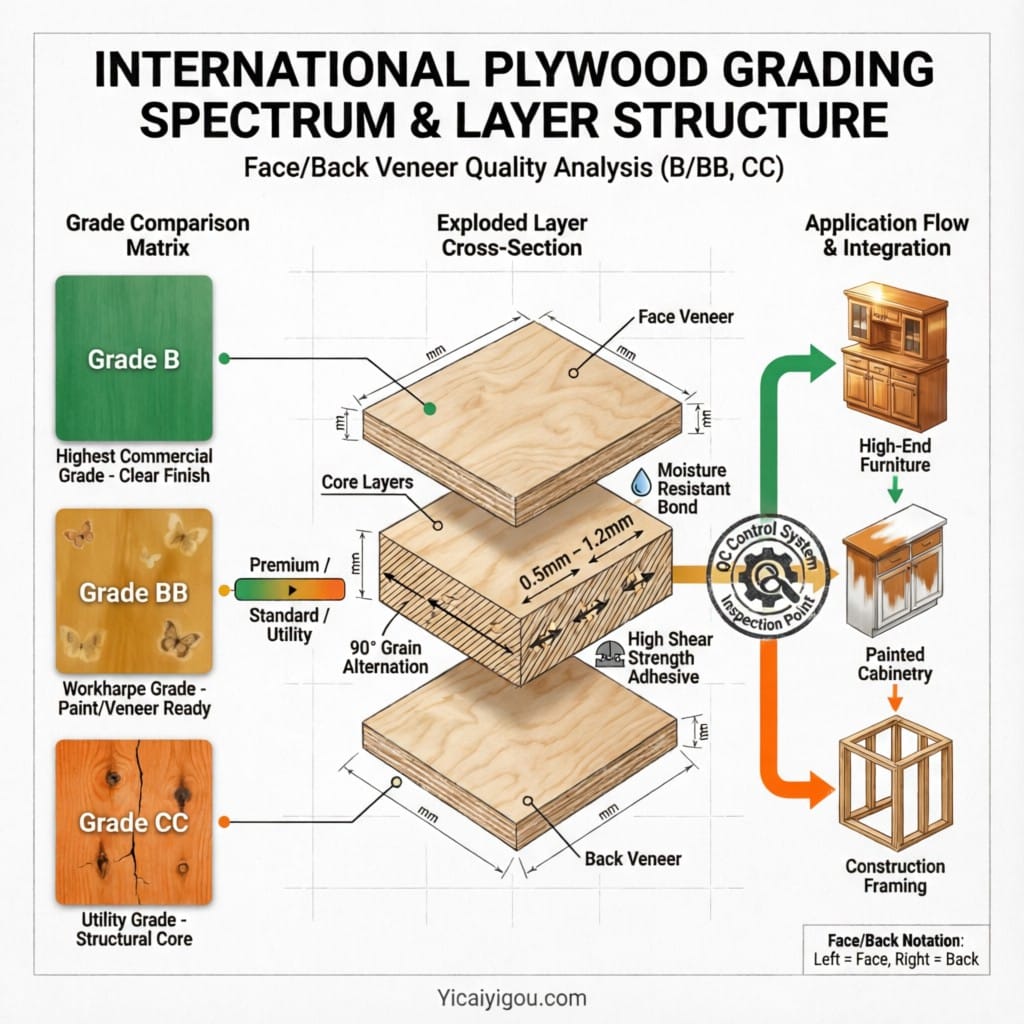
At lumber wood products, we manufacture professional lumber wood products designed for specific engineering requirements. For example, our FSC-certified plywood features formaldehyde emissions of ENF ≤0.05 mg/L, suitable for indoor furniture exporting to the EU. For structural applications, our kiln-dried hardwood maintains a moisture content between 8% and 12%, preventing warping in humid climates.
Consider a furniture maker exporting to California. They require CARB Phase 2 compliance with HCHO ≤0.11 ppm. Sourcing this through a trading company risks mixed batches failing testing. Direct sourcing from lumber wood products ensures every batch meets the ≤0.11 ppm threshold with verifiable lab reports. For construction timber, our load-rated beams support specific PSI ratings required by US building codes, eliminating structural liability.
Market-by-Market Compliance Guide
Different regions enforce different standards for wood products. Buyers must match their supplier’s documentation to the destination market’s requirements. Failure to align these standards results in customs rejection.
| Requirement | EU | US | Japan | UK |
|---|---|---|---|---|
| Regulation | EUDR (2024) | Lacey Act | JAS Standard | UKTR |
| Formaldehyde | E1 ≤0.1 ppm | CARB ≤0.11 ppm | F★★★★ ≤0.3 mg/L | E1 ≤0.1 ppm |
| Traceability | Geolocation GPS | Declaration Form | JAS Mark | UKTR Ref |
| Duty Rate | 0% – 4% | 0% – 8% | 0% – 3.5% | 0% – 4% |
Navigating these markets requires a supplier who understands the nuances of each standard. lumber wood products maintains documentation protocols for all four regions, ensuring smooth customs clearance regardless of destination.
Supplier Solution: lumber wood products
lumber wood products positions itself as a compliant direct manufacturer solution. We hold industry-standard certifications including FSC and ISO 9001, ensuring quality management and sustainable sourcing. Our Chain of Custody (CoC) system tracks timber from the forest plot to the shipping container, providing the geolocation data required for EUDR compliance.
We differentiate by offering transparent documentation packs with every shipment. This includes mill certificates, moisture content logs, and third-party lab test results. To verify our capabilities, request a compliant material sample with full CoC documentation from lumber wood products. This allows you to validate quality and paperwork before committing to a full container load.
Q: What is the typical MOQ for direct factory sourcing?
Direct factory sourcing usually requires a Minimum Order Quantity of 50m³ per SKU to optimize production lines. Trading companies may accept orders as low as 5m³ but add a 10% markup.
Q: How does EUDR affect wood documentation?
EUDR requires precise geolocation coordinates for the harvest location of all timber. Suppliers must submit a Due Diligence Statement before goods enter the EU market.
Q: What are the standard lead times for custom lumber?
Custom lumber production typically takes 25 to 30 days from deposit to bill of lading. Trading companies often extend this to 45 days due to logistics coordination.
Q: What formaldehyde limit applies to US exports?
US exports must comply with CARB Phase 2 standards, limiting formaldehyde emissions to ≤0.11 ppm for hardwood plywood. Exceeding this results in customs holds.
Q: What payment terms do factories offer?
Standard factory payment terms are a 30% deposit upon order confirmation and 70% balance against the copy of the Bill of Lading. Trading companies often demand 50% upfront.
Verdict: Specify Direct Factory For Volume
Specify Direct Factory Sourcing for container loads exceeding 50m³. Specify Trading Companies for mixed LCL shipments under 10m³.
Conclusion + Low-Friction CTA
Choosing the right sourcing partner balances cost efficiency with regulatory safety. Direct factories provide the documentation depth and margin savings required for large-scale projects, while trading companies suit smaller, diversified orders. Ensure your partner can validate every board against EUDR and CARB standards.
Request a compliant material sample with full CoC documentation from lumber wood products. This low-friction step validates our specifications and paperwork before you commit to production.
Image Attachment