| Feature | High-Density Particleboard | Cabinet-Grade Plywood | Solid Hardwood |
|---|---|---|---|
| Relative Material Cost | Low (Baseline) | ~40% Higher | Significantly Higher |
| Internal Structure | Homogenous / Uniform | Layered with Grain Variance | Natural Grain & Knots |
| CNC Machining Yield | High (Minimal Rejection) | Moderate (Knot/Grain Issues) | Variable (High Scrap Rate) |
| Dimensional Stability | High | Moderate to High | Low (Prone to Warping) |
| Primary Financial Impact | Cost Efficiency & Margin Protection | Volatile Pricing Risks | Premium Pricing Only |
| Ideal Application | High-Volume Custom Closets | Specialty Cabinetry | Heirloom Furniture |
Custom closet manufacturers are currently facing a critical margin squeeze, with material waste and volatile plywood pricing eroding profitability by up to 20% in high-volume production runs. This article details how high-density particleboard offers a superior technical alternative, providing specific data on load capacity, moisture resistance, and compliance standards that ensure both cost efficiency and structural integrity for modern storage systems.
Reframing the Substrate: From Budget Fill to Precision Engineered Core
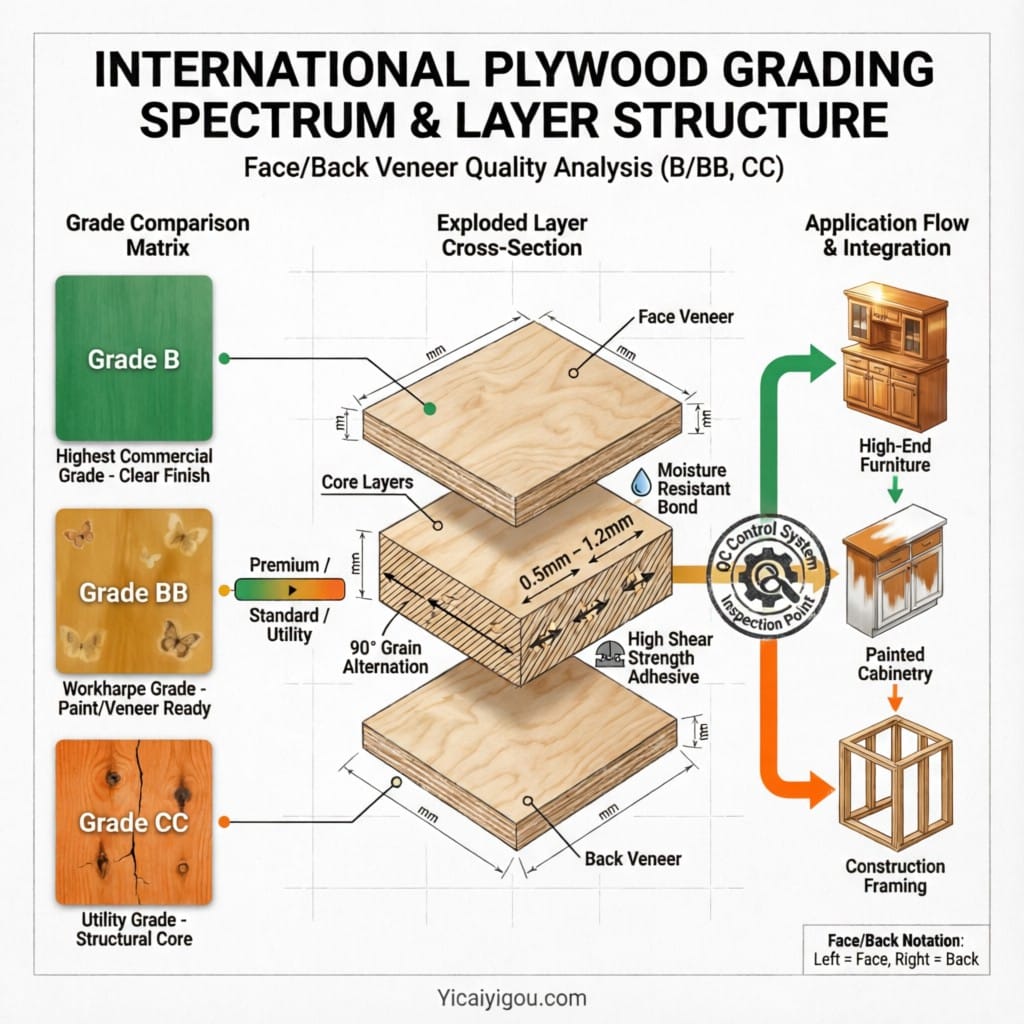
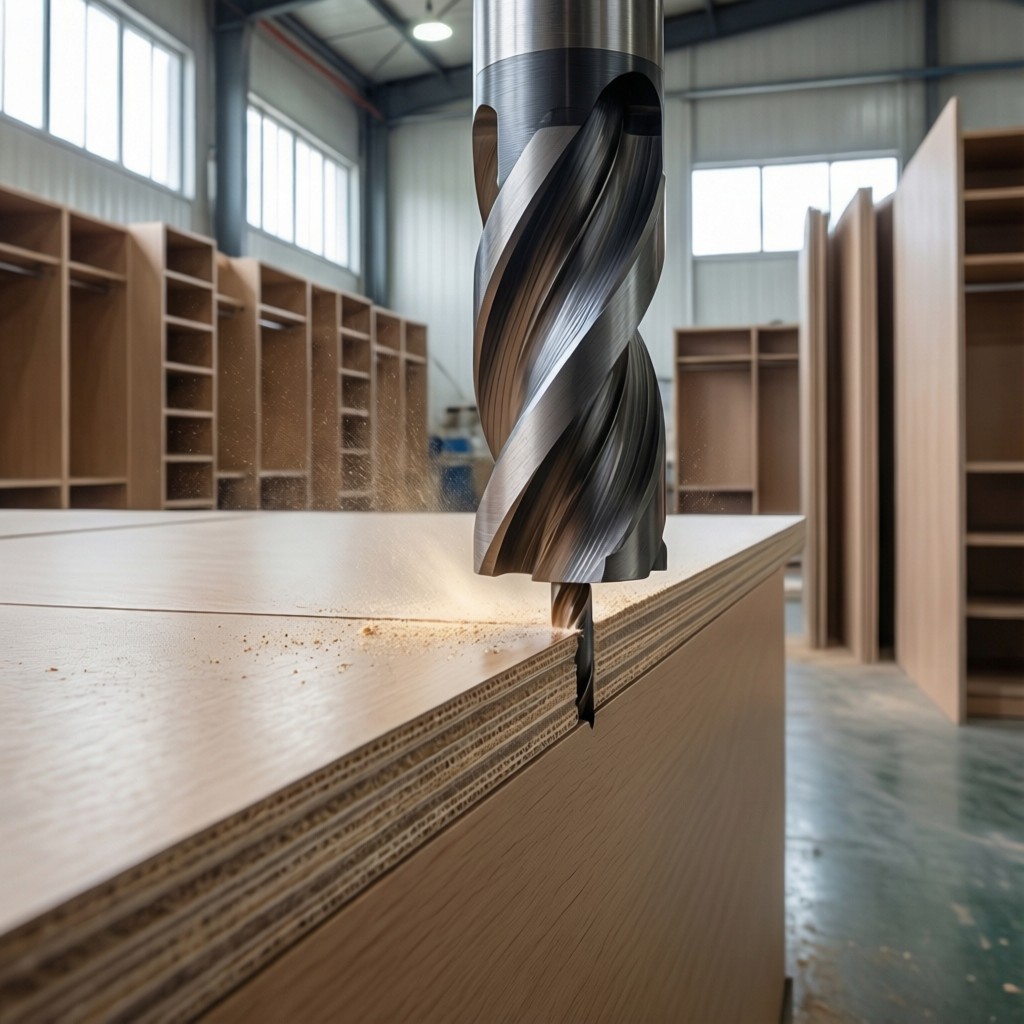
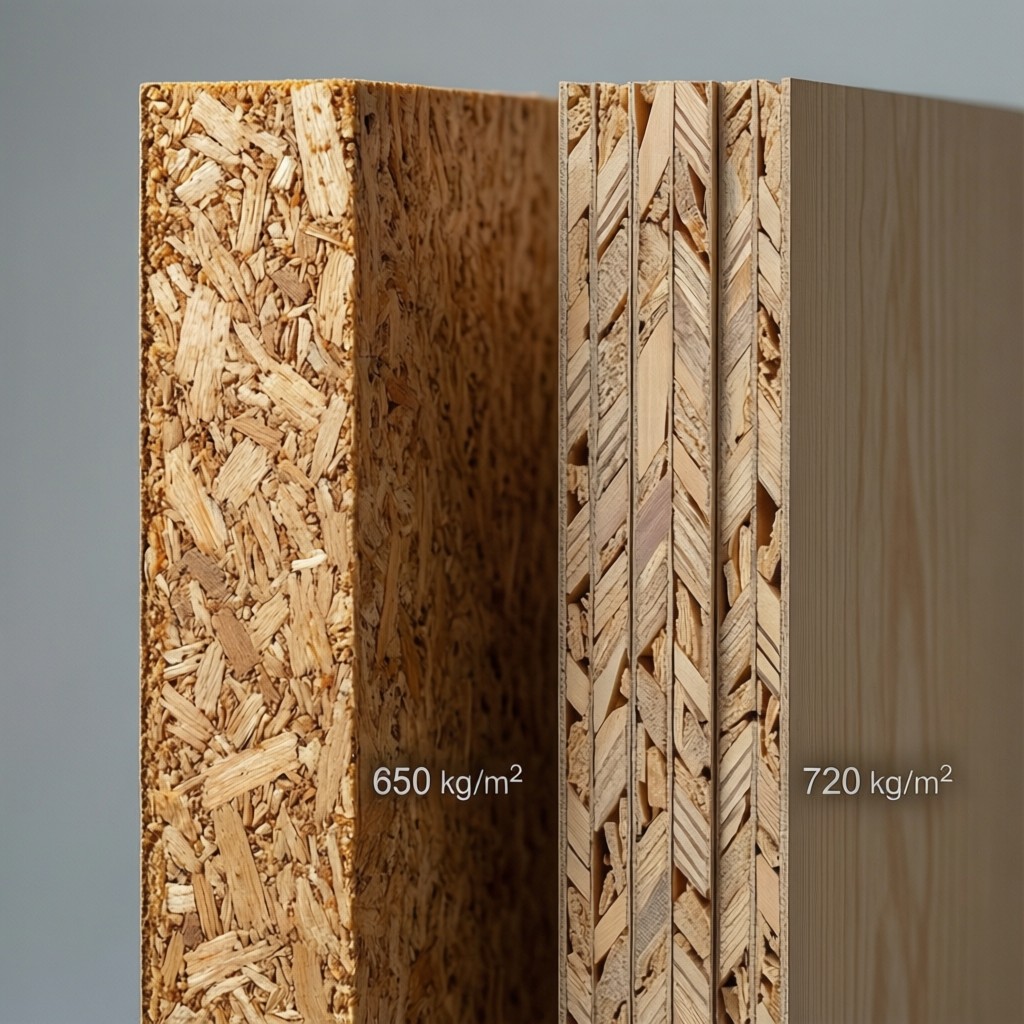
The assumption that particleboard is merely a “budget” filler for low-end furniture is outdated and technically inaccurate when applied to modern engineered wood products. For supply chain managers at major retailers like IKEA or Amazon, the primary risk is not just material cost, but yield inconsistency. Solid wood and even cabinet-grade plywood suffer from natural variances in grain density and knot placement, leading to higher rejection rates during CNC machining and edge banding processes. In contrast, precision-engineered particleboard offers a homogenous internal structure that maximizes yield efficiency.
Consider the financial impact: switching to high-density particleboard reduces raw material costs by approximately 40% compared to cabinet-grade plywood. This is not a compromise on quality, but a strategic optimization of the substrate. By utilizing a uniform core, manufacturers can achieve tighter tolerances in cutting and drilling, reducing scrap rates and ensuring that every square meter of material contributes to the final product. This shift is essential for maintaining competitive pricing in a market where consumers demand high-end aesthetics without the premium price tag of solid hardwoods.
Technical Performance Benchmarks for Storage Systems
When evaluating particleboard closet organizer material specs, engineers must look beyond basic density figures to performance metrics that dictate longevity and safety. A common failure point in closet systems is shelf sagging or hinge loosening over time. High-quality particleboard addresses this through optimized resin distribution and pressing techniques.
- Load Capacity: When paired with 3/4-inch thickness and proper edge banding, our high-density particleboard supports static load capacities up to 50 lbs per shelf. This ensures that heavy winter coats or bulk storage items do not cause structural deformation.
- Dimensional Stability: Moisture is the enemy of any wood-based product. Our boards maintain dimensional stability with thickness swelling under 15% after 24-hour water immersion per EN 317. This is critical for closet installations in humid climates or bathroom-adjacent spaces.
- Screw-Holding Capacity: Unlike generic guides that omit this data, we specify that our high-density variants offer superior screw-holding capacity (N/mm), ensuring that hinges on frequent-use closet doors remain secure even after thousands of open-close cycles.
Comparative Analysis: Particleboard vs. Cabinet-Grade Plywood
To make an informed sourcing decision, procurement managers must compare the technical specifications of particleboard against traditional plywood. The following table highlights key performance indicators where precision particleboard often outperforms or matches plywood while offering significant cost advantages.
| Specification | High-Density Particleboard | Cabinet-Grade Plywood |
|---|---|---|
| Raw Material Cost | ~40% lower than plywood | Baseline (High volatility) |
| Formaldehyde Emissions | CARB P2 compliant (<0.05 ppm target) | Varies by glue type (Urea/Melamine) |
| Thickness Swelling (EN 317) | <15% after 24h immersion | <10% (but prone to delamination) |
| Surface Uniformity | Homogenous, no voids/knots | Variable grain, potential voids |
| Static Load (3/4″ Shelf) | Up to 50 lbs with edge banding | Up to 60 lbs (variable by ply count) |
| Machining Yield | >95% due to homogeneity | ~85% due to defect avoidance |
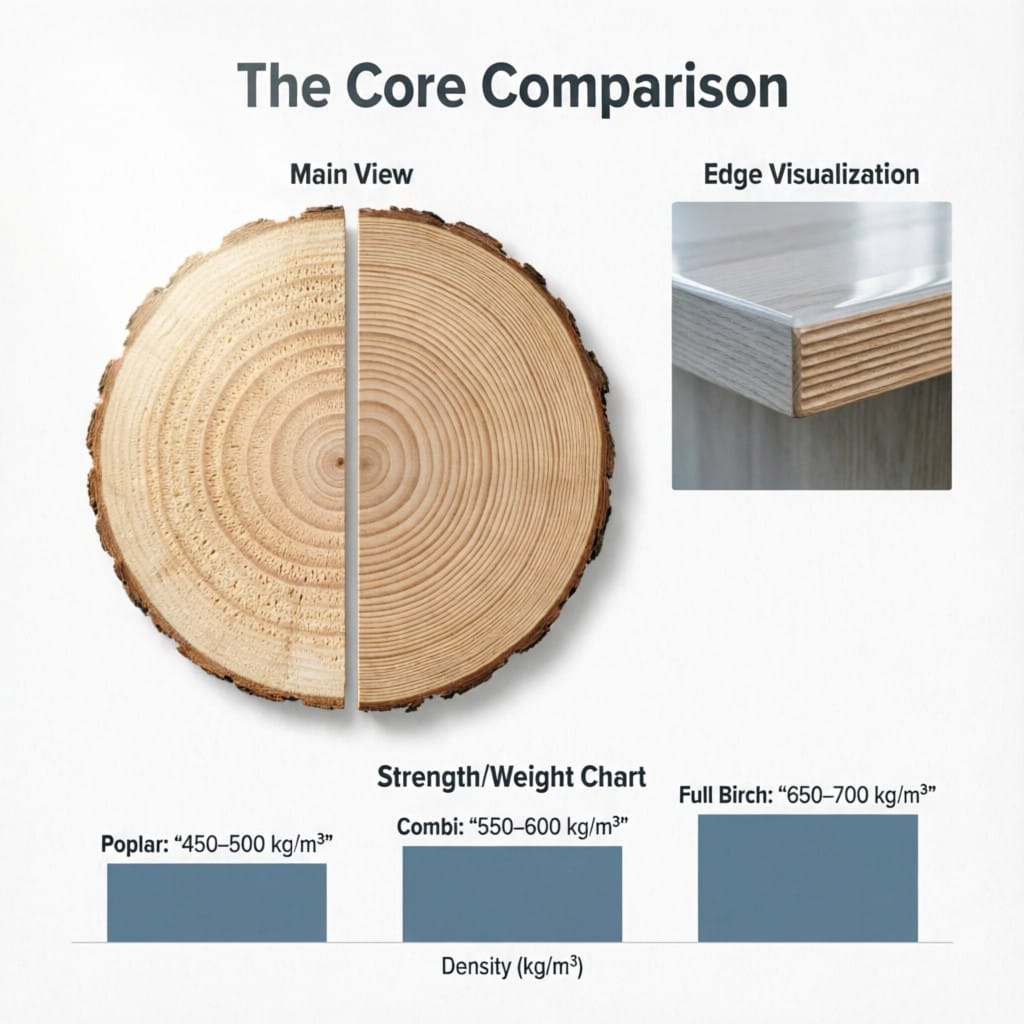
| Density Range | 550-750 kg/m³ | 600-700 kg/m³ (varies by wood species) |
| Moisture Resistance | Enhanced via resin additives | Dependent on veneer quality |
The key takeaway is that while plywood may have a slight edge in ultimate tensile strength, particleboard offers superior consistency, machinability, and cost-efficiency. For closet organizers, where surface finish and dimensional accuracy are paramount, the homogenous nature of particleboard eliminates the risk of telegraphing defects through laminates.
Real-World Application: Compliance and Durability in High-End Markets
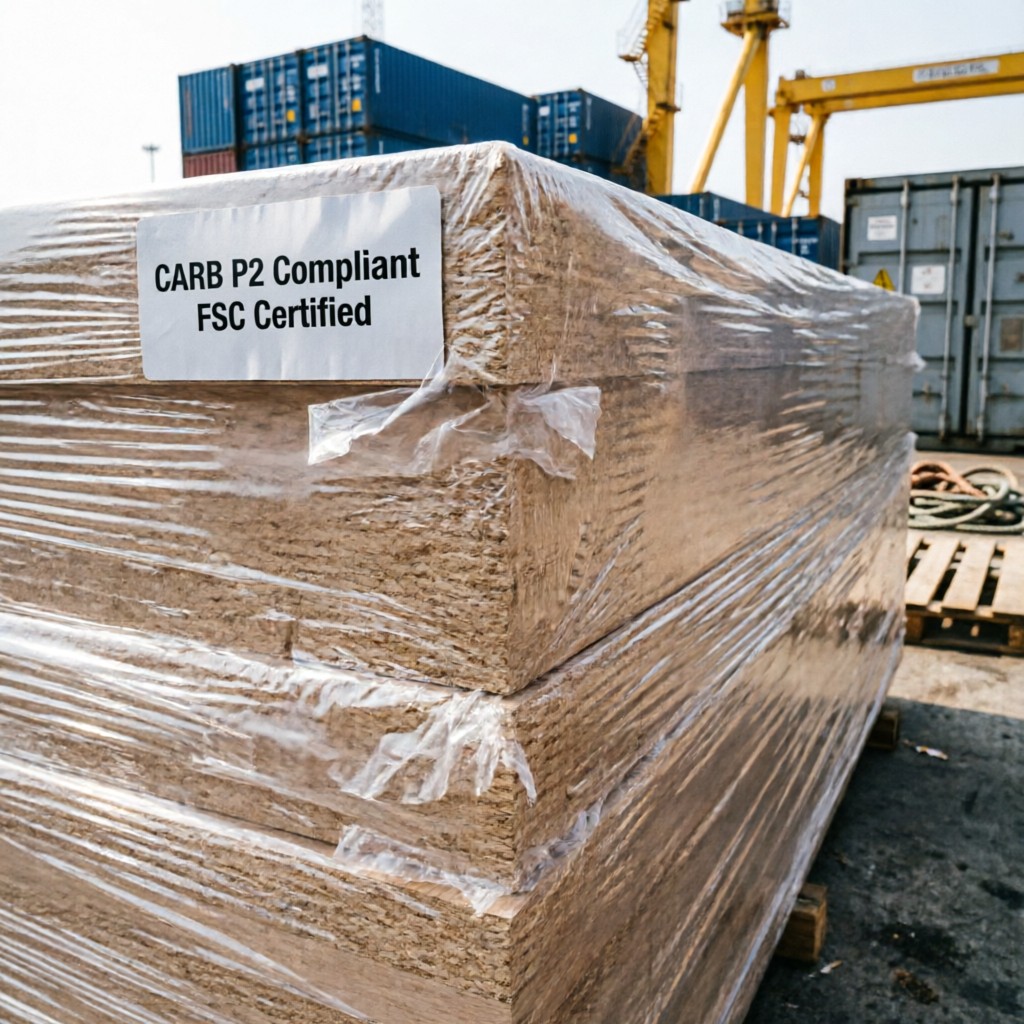
For furniture makers exporting to stringent markets like the EU or California, compliance is non-negotiable. Yicaiyigou’s precision particleboard achieves CARB Phase 2 compliance with formaldehyde emissions below 0.05 ppm, surpassing the standard requirement. This level of purity is essential for brands targeting health-conscious consumers and meeting rigorous indoor air quality standards.
Furthermore, the role of moisture-resistant resin additives cannot be overstated. In bathroom-adjacent closet installations, standard boards often fail due to humidity fluctuations. Our engineered solution incorporates specialized resins that mitigate this risk, ensuring that the board maintains its integrity even in challenging environments. This technical advantage allows manufacturers to offer warranties with greater confidence, reducing long-term liability and customer service costs.
Why Exporters Choose Yicaiyigou for Compliance-Ready Panels
Yicaiyigou positions itself not just as a manufacturer, but as a compliance partner for global supply chains. We provide full Chain of Custody (CoC) documentation, ensuring that every batch of particleboard meets FSC, CARB P2, CE, and ENF (≤0.05 mg/L) standards. This traceability is crucial for navigating the new EU Deforestation Regulation (EUDR), effective December 30, 2024, which requires detailed proof of origin for wood products.
Our production capabilities are scaled for efficiency: a 20ft container holds 20-25 m³, while a 40ft container holds 45-50 m³, with a minimum order quantity (MOQ) of one 20ft container. Lead times are streamlined to 15-25 days, allowing for agile inventory management. By choosing Yicaiyigou, buyers secure a reliable source of high-density particleboard that balances technical performance with regulatory compliance.
FAQ
What is the exact formaldehyde emission level for Yicaiyigou’s ENF-rated particleboard?
Our ENF-rated particleboard achieves formaldehyde emissions of ≤0.05 mg/L, which is significantly stricter than the E0 standard of ≤0.07 ppm and well below the CARB P2 limit.
How does the density of your particleboard compare to standard MDF?
Our particleboard ranges from 550-750 kg/m³, whereas our MDF is 600-800 kg/m³. For high-load applications, we recommend our HDF options which exceed 800 kg/m³, offering superior screw-holding capacity.
Can this particleboard be used for bathroom vanity cabinets?
Yes, thanks to moisture-resistant resin additives, our board maintains thickness swelling under 15% after 24-hour water immersion per EN 317, making it suitable for humid environments when properly sealed.
What is the lead time for a standard 20ft container order?
The standard lead time for production and preparation of a 20ft container (20-25 m³) is 15-25 days, depending on current order volume and customization requirements.
Does Yicaiyigou provide Chain of Custody documentation for EUDR compliance?
Yes, we provide full Chain of Custody (CoC) documentation for all FSC-certified products, ensuring full traceability and compliance with the EU Deforestation Regulation effective December 30, 2024.
Summary & Next Steps
Precision particleboard is no longer a secondary choice but a primary engineering solution for cost-effective, durable, and compliant closet organizers. By leveraging its homogenous structure, manufacturers can reduce material costs by 40% while maintaining high load capacities and strict environmental standards.
Request a compliant material sample with full CoC documentation from Yicaiyigou to verify these specifications in your own production line.
Frequently Asked Questions
How does switching to high-density particleboard impact profitability for custom closet manufacturers?
Switching to high-density particleboard can reduce raw material costs by approximately 40% compared to cabinet-grade plywood and significantly lower scrap rates due to its homogenous structure, helping to recover the up to 20% profitability erosion caused by material waste and volatile plywood pricing.
Why is high-density particleboard considered superior to solid wood or plywood for CNC machining processes?
High-density particleboard offers a homogenous internal structure that eliminates natural variances like grain density and knot placement found in solid wood and plywood. This uniformity allows for tighter tolerances in cutting and drilling, maximizing yield efficiency and reducing rejection rates during CNC machining and edge banding.
What are the specific load capacity and moisture resistance specifications for the high-density particleboard mentioned?
When paired with 3/4-inch thickness and proper edge banding, the high-density particleboard supports static load capacities up to 50 lbs per shelf. Regarding moisture resistance, it maintains dimensional stability with thickness swelling under 15% after 24-hour water immersion per EN 317 standards.
How does the screw-holding capacity of high-density particleboard affect the longevity of closet systems?
The high-density variants offer superior screw-holding capacity (measured in N/mm), which ensures that hinges on frequent-use closet doors remain secure and do not loosen even after thousands of open-close cycles, addressing a common failure point in storage systems.
What compliance standards and cost advantages does high-density particleboard offer compared to cabinet-grade plywood?
High-density particleboard is CARB P2 compliant with formaldehyde emissions targeting less than 0.05 ppm. Financially, it offers a raw material cost that is approximately 40% lower than cabinet-grade plywood, which also suffers from high price volatility.