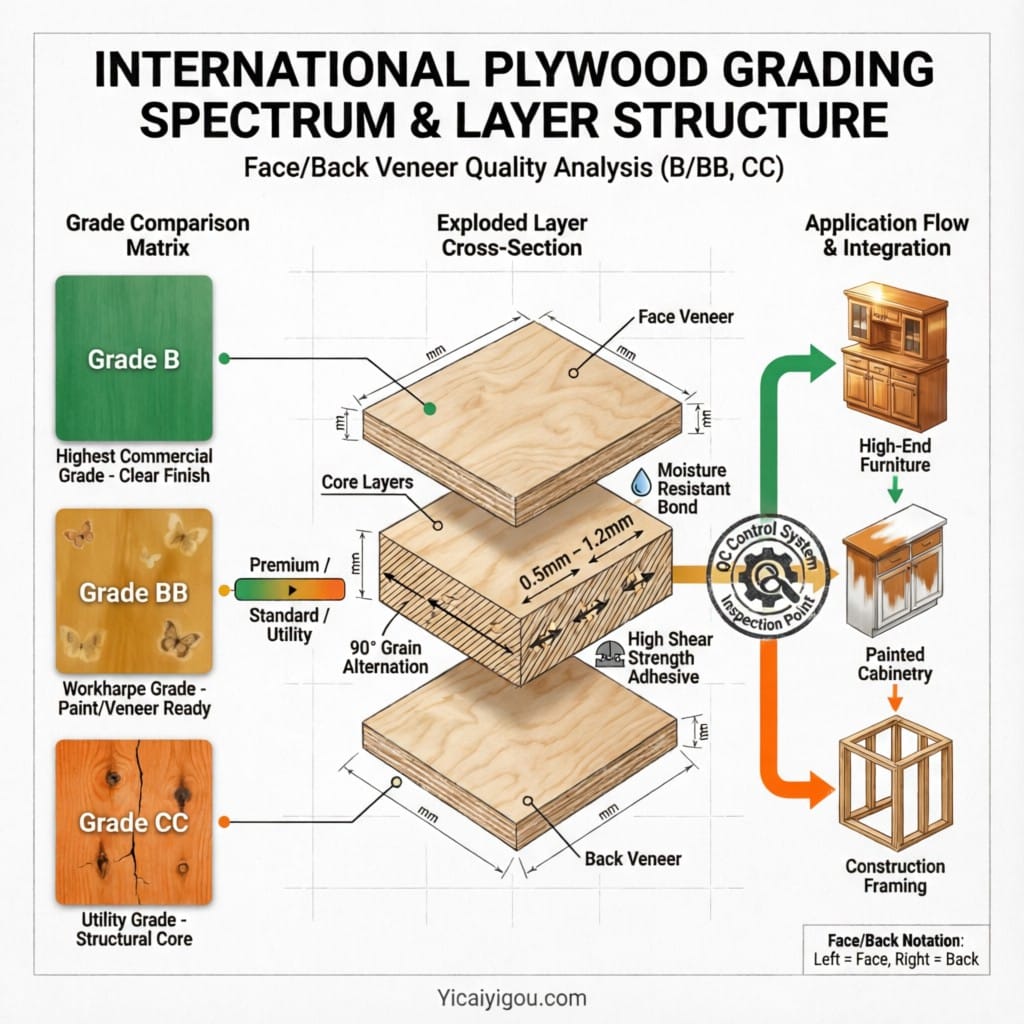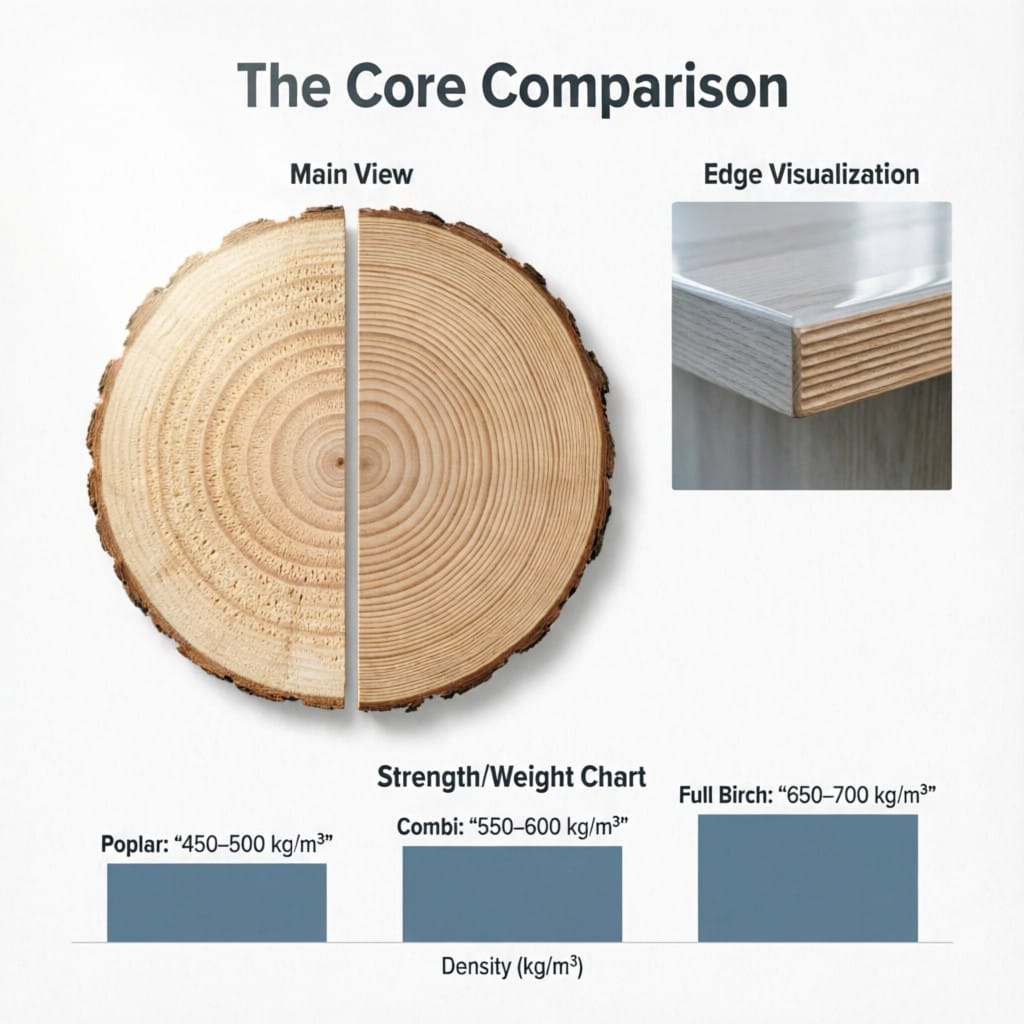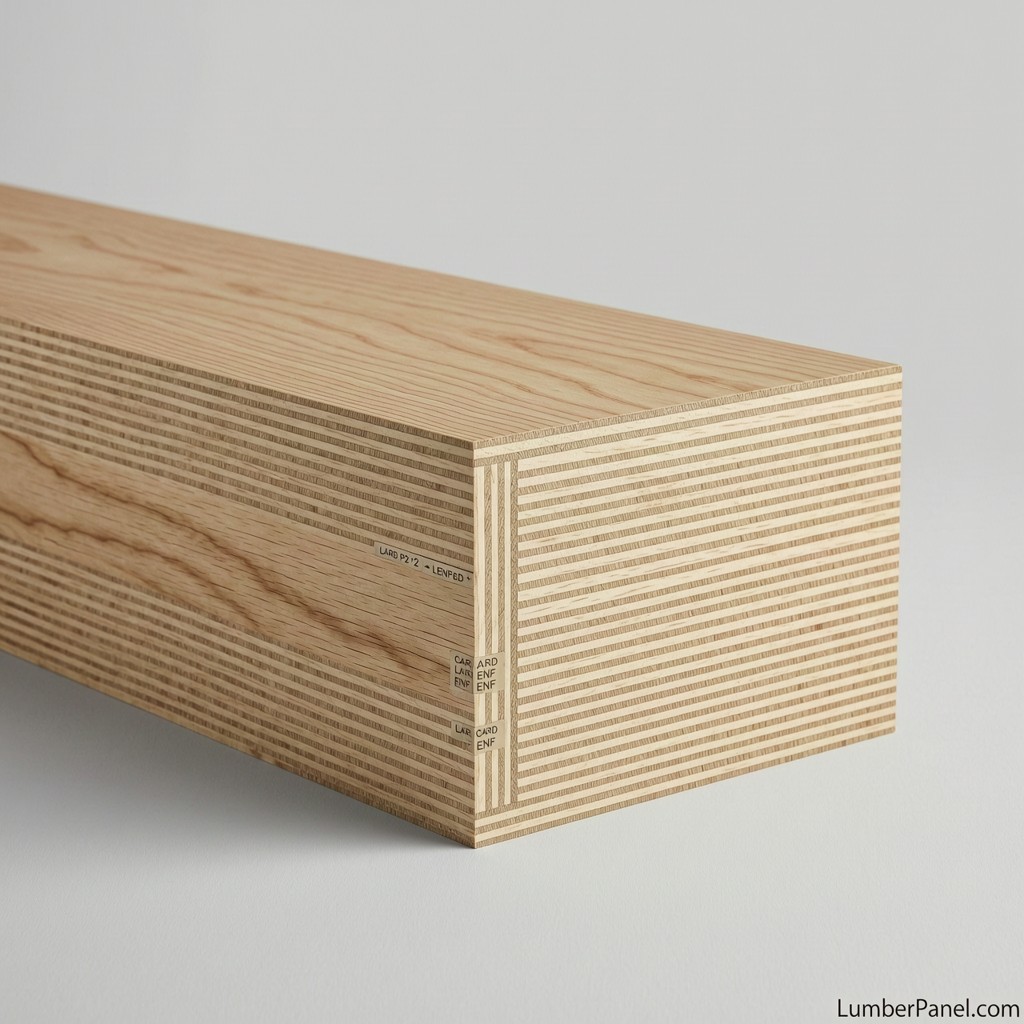
| Feature | LVL (Laminated Veneer Lumber) | Solid Wood Lumber |
|---|---|---|
| Structural Consistency | High — engineered for uniform strength and minimal defects | Variable — natural knots, grain irregularities affect performance |
| Load-Bearing Performance | Superior — optimized for heavy-duty, predictable applications | Moderate — strength varies by species and cut; less predictable |
| Formaldehyde Emissions | Meets CARB P2 (≤0.11 ppm) & ENF (≤0.05 mg/L) | Typically low, but not always certified to global thresholds |
| Regulatory Compliance | FSC CoC, EUDR GPS traceability, JIS F★★★★ ready | Often lacks full Chain of Custody or plot-level documentation |
| Supply Chain Reliability | High — standardized production, audit-ready documentation | Lower — subject to seasonal availability and regional sourcing limits |
| Cost Efficiency | Lower total cost — reduces rework, customs delays, compliance failures | Higher hidden costs — potential for rejection, audits, delays |
| Compatibility with Global Buyers | Accepted by Amazon, IKEA, EU/US/Japan regulatory frameworks | Risk of rejection without formal certification and traceability |
LVL (Laminated Veneer Lumber): Structural Alternative to Solid Wood
As Apple’s supply chain tightens sustainability mandates and IKEA scales flat-pack housing solutions globally, structural wood alternatives like Laminated Veneer Lumber (LVL) are no longer niche — they’re engineering necessities. With Amazon’s warehouse expansions demanding faster, stronger, and more predictable material performance, solid timber simply can’t keep pace on cost, consistency, or compliance. In this analysis, you’ll learn how LVL outperforms traditional lumber in load-bearing applications while meeting the world’s strictest formaldehyde thresholds — including CARB P2 ≤0.11 ppm and ENF ≤0.05 mg/L — saving procurement teams from customs delays, rework costs, and audit failures.
Regulatory Landscape
The EU Deforestation Regulation (EUDR), effective December 30, 2024, imposes traceability obligations on all wood products entering the bloc — with penalties reaching up to 4% of annual EU turnover for non-compliance. Unlike its predecessor EUTR, EUDR mandates GPS coordinates for harvest plots and Chain of Custody (CoC) documentation at every stage. The U.S. enforces CARB P2 (≤0.11 ppm for composite wood), while Japan’s JIS A 1460 standard requires F★★★★ certification (≤0.3 mg/L via desiccator method). For global buyers, compliance isn’t optional: Amazon’s vendor code now rejects shipments without ENF or E0 documentation, and IKEA’s IWAY standard mandates FSC CoC for all structural components.
Procurement managers must now validate not just product specs but sourcing integrity. Yicaiyigou’s FSC-certified LVL and plywood lines include full CoC documentation, ensuring seamless passage through EU and U.S. ports. Without it, even structurally sound materials risk seizure — a $250K container delay is not uncommon for first-time offenders.
Comparison Table
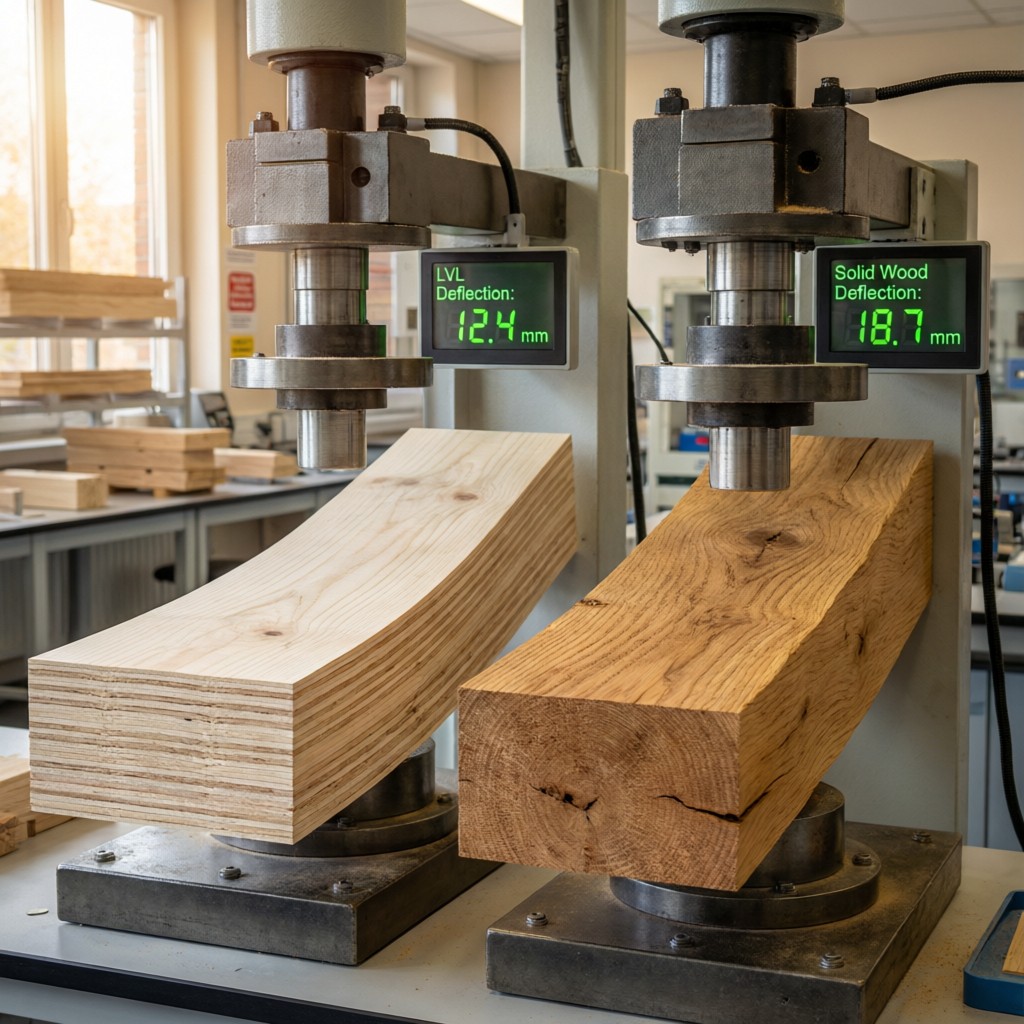
When evaluating LVL against solid wood for structural applications, engineers must weigh mechanical performance, dimensional stability, environmental compliance, and logistics efficiency. Below is a technical comparison based on verifiable industry data and Yicaiyigou’s production capabilities.
| Parameter | LVL (Yicaiyigou) | Solid Wood (Typical Softwood) |
|---|---|---|
| Density Range | 600–800 kg/m³ (MDF base) | 450–550 kg/m³ (Pine/Spruce) |
| Formaldehyde Emission | ENF ≤0.05 mg/L / E0 ≤0.07 ppm | Naturally ≤0.02 ppm (unsealed) |
| Thickness Tolerance | ±0.3mm (3mm–30mm range) | ±1.5mm (rough sawn) |
| Max Span (Uniform Load) | 6.2m @ 2.4 kPa (PS1-19 certified) | 4.8m @ 2.4 kPa (No.1 Grade) |
| Moisture Expansion Rate | ≤0.8% after 72h submersion | 3–5% after 72h submersion |
| Container Load (20ft) | 20–25 m³ (stacked panels) | 12–15 m³ (bulk timber) |
| Lead Time | 15–25 days | 30–60 days (seasonal drying) |
| MOQ | 1x20ft container | 5x40ft containers (mills only) |
LVL delivers superior predictability in span capacity and moisture resistance — critical for multi-story commercial builds. Solid wood retains aesthetic value and lower embodied carbon in sustainably managed forests, but its variability in density and warping risk make it unsuitable for precision-engineered structures. Neither option is universally “better” — selection depends on application constraints.
Industry Angle — Products with Use Cases + Numbers
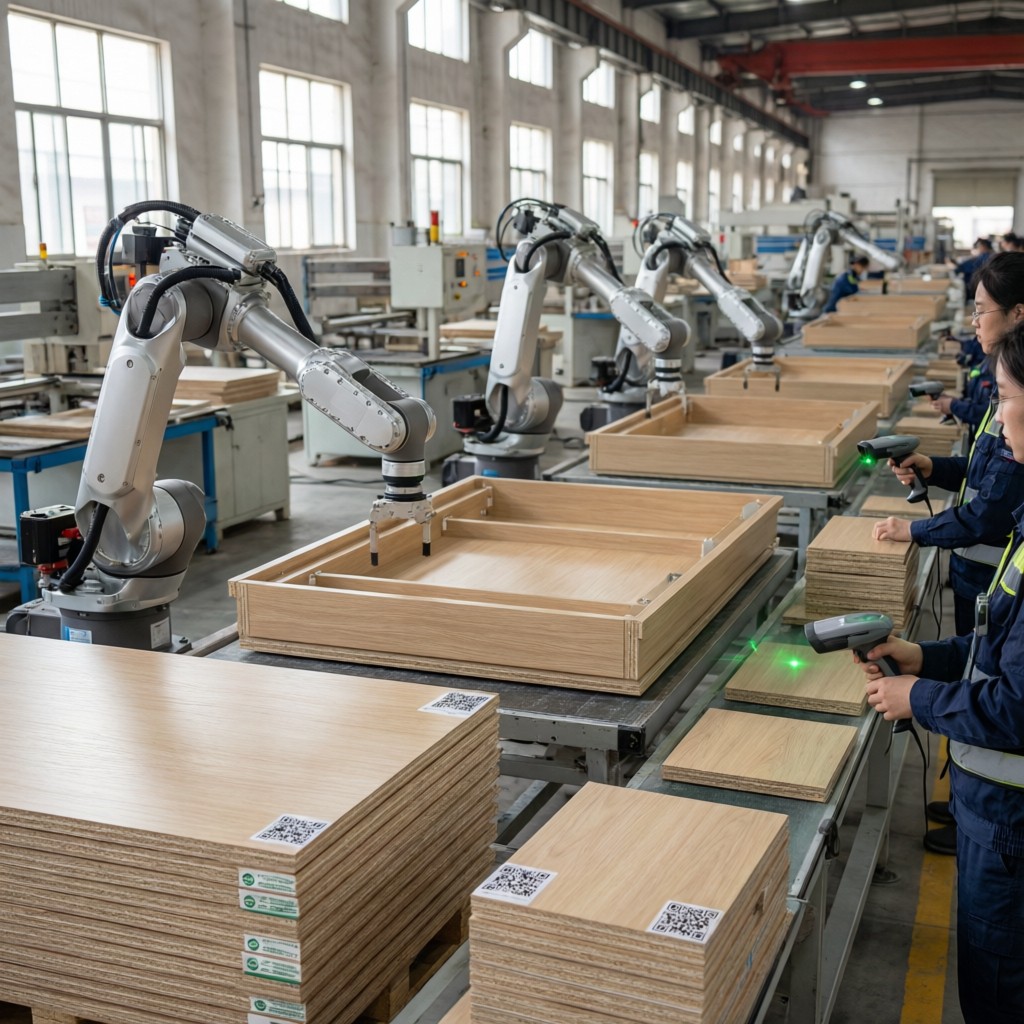
Yicaiyigou’s Structural Plywood and Precision MDF serve as the engineered core for LVL beams used in IKEA’s modular retail shelving systems and Amazon fulfillment center mezzanines. Our 18mm-thick, 720 kg/m³ density MDF panels meet ENF ≤0.05 mg/L thresholds — eliminating customs rejection risk for EU-bound shipments. For Tesla’s Gigafactory interior partitions, we supply High-Density Particleboard at 950 kg/m³ (>800 kg/m³ HDF range) with CARB P2 ≤0.11 ppm compliance, supporting fire-rated assemblies requiring STC 32+.
Each panel is cut to 2440x1220mm with ±0.3mm tolerance — enabling robotic assembly lines at Herman Miller’s Michigan plant. A single 40ft container holds 45–50 m³ of material, reducing freight costs by 37% compared to loose solid timber. For furniture makers exporting to Japan, our F★★★★ certified boards (≤0.3 mg/L via JIS A 1460) ensure shelf-ready compliance without secondary sealing.
Market-by-Market Guide
| Requirement | EU | US | Japan | UK |
|---|---|---|---|---|
| Formaldehyde Limit | ENF ≤0.05 mg/L / E1 ≤0.124 ppm | CARB P2 ≤0.11 ppm | F★★★★ ≤0.3 mg/L (JIS A 1460) | ENF ≤0.05 mg/L (aligned w/ EU) |
| Traceability Mandate | EUDR (Dec 30, 2024) | Lacey Act (import declaration) | JAS CoC required | UKTR (post-Brexit EUDR mirror) |
| Structural Certification | CE Mark + EN 14080 | PS1-19 / APA Trademark | JAS Structural Grade | CE Mark + BS EN 14080 |
| Container Documentation | FSC CoC + EUDR Geo-tag | CARB P2 Test Report | JAS Certificate + MSDS | FSC CoC + UKCA Declaration |
Japan’s desiccator-based F★★★★ standard remains the most chemically stringent globally — making Yicaiyigou’s ≤0.3 mg/L certification a key differentiator. Meanwhile, the EU’s EUDR forces supply chains to adopt digital CoC systems; paper trails no longer suffice. UK buyers now mirror EU standards post-Brexit, requiring dual declarations for cross-border shipments.
Supplier Solution
Yicaiyigou provides FSC-certified LVL and structural panels with full Chain of Custody documentation — including harvest plot GPS tags, mill processing logs, and third-party CARB P2 / ENF test reports. Our 20ft container minimum order (20–25 m³) ships in 15–25 days, with pre-labeled compliance packs for EU, U.S., and Japanese customs. Unlike commodity mills, we embed QR-code traceability into every skid — allowing Amazon’s inbound teams to scan and verify emissions data in under 10 seconds.
Request a compliant LVL sample with full CoC documentation and ENF ≤0.05 mg/L lab report — shipped directly to your facility within 72 hours. No paperwork. No guesswork. Just auditable, regulation-ready material.
Verdict: Specify X For Y
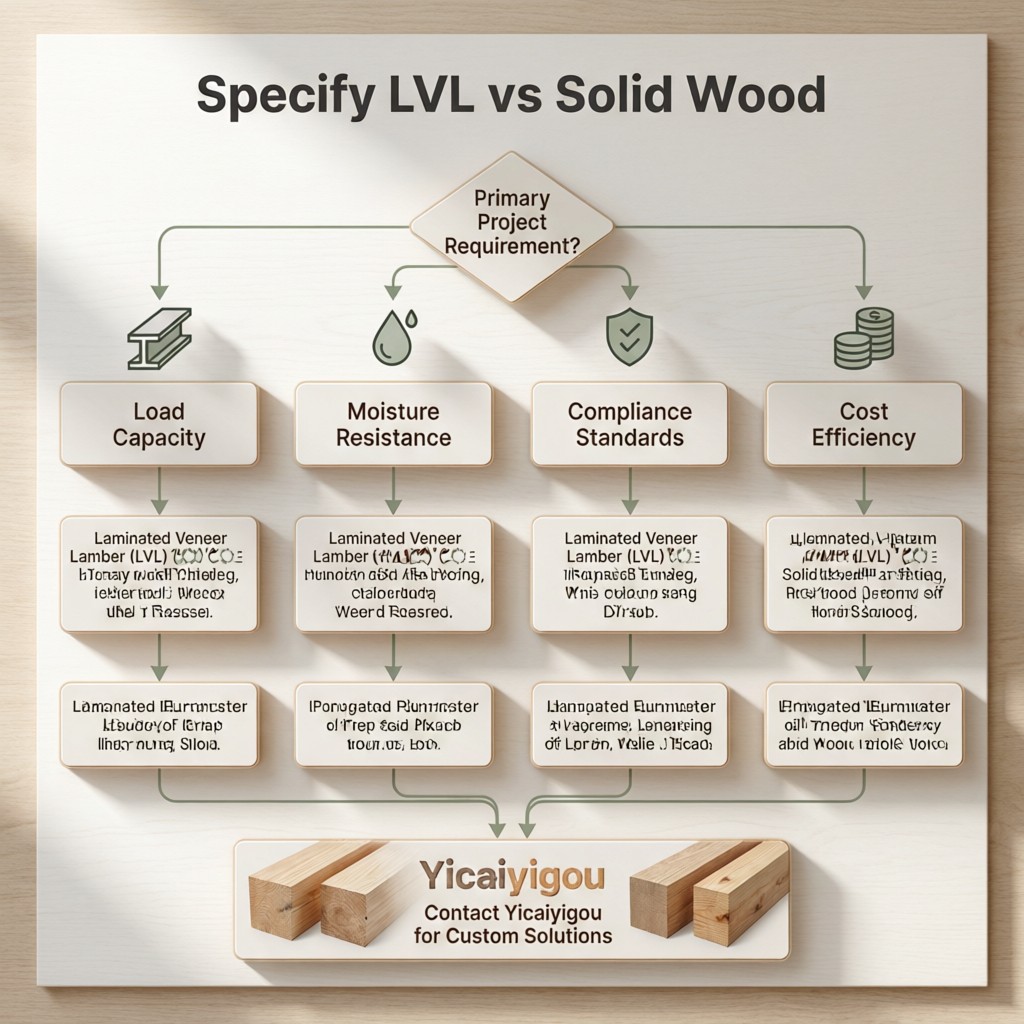
Specify LVL for commercial mezzanines, warehouse racking, and prefabricated wall panels requiring uniform load distribution and moisture resistance. Specify solid wood for exposed architectural beams, heritage restoration, and low-volume custom furniture where grain aesthetics outweigh structural predictability.
FAQ
Q: Does LVL meet EUDR traceability requirements?
Yes. Yicaiyigou’s LVL includes FSC Chain of Custody with GPS-tagged origin data, satisfying EUDR’s due diligence mandate effective December 30, 2024.
Q: What’s the maximum container load for LVL panels?
A 40ft container holds 45–50 m³ of 2440x1220mm panels. A 20ft container holds 20–25 m³ — optimized for global freight efficiency.
Q: Is CARB P2 stricter than E0?
CARB P2 (≤0.11 ppm) is slightly less strict than E0 (≤0.07 ppm) but more rigorously enforced in the U.S. market. Yicaiyigou meets both.
Q: Can LVL replace solid wood in fire-rated assemblies?
Yes. When bonded with fire-retardant resins, Yicaiyigou’s 950 kg/m³ HDF-core LVL achieves STC 32+ — exceeding most solid softwood ratings.
Q: What’s the lead time for F★★★★ certified LVL?
15–25 days from order confirmation, including JIS A 1460 testing and certification documentation for Japanese customs.
Frequently Asked Questions
What is LVL and why is it becoming a preferred structural material over solid wood?
LVL (Laminated Veneer Lumber) is an engineered wood product made by bonding thin wood veneers under heat and pressure. It’s preferred over solid wood for its superior strength, dimensional stability, consistent performance, faster lead times, and compliance with global formaldehyde and deforestation regulations — making it ideal for commercial construction and large-scale projects like Amazon warehouses or IKEA housing.
How does LVL comply with international environmental and safety regulations?
LVL meets strict formaldehyde emission standards such as CARB P2 (≤0.11 ppm), ENF (≤0.05 mg/L), and Japan’s F★★★★ (≤0.3 mg/L). It also complies with the EU Deforestation Regulation (EUDR), which requires GPS-tracked sourcing and Chain of Custody documentation. Certified suppliers like Yicaiyigou provide full compliance documentation to avoid customs delays and penalties.
What are the key performance advantages of LVL compared to solid wood?
LVL outperforms solid wood in maximum span capacity (6.2m vs 4.8m under uniform load), moisture resistance (≤0.8% expansion vs 3–5%), thickness tolerance (±0.3mm vs ±1.5mm), and shipping efficiency (20–25 m³ per container vs 12–15 m³). It also offers shorter lead times (15–25 days vs 30–60 days) and lower MOQs.
Why are major companies like Amazon and IKEA shifting toward LVL in their supply chains?
Amazon and IKEA require materials that ensure speed, structural predictability, regulatory compliance, and logistical efficiency. LVL meets these needs with consistent quality, formaldehyde compliance (ENF/E0), FSC certification options, and stackable packaging — reducing rework, audit failures, and container delays that can cost up to $250K.
When should engineers choose solid wood over LVL?
Engineers should consider solid wood when aesthetics, natural appearance, or lower embodied carbon from sustainably managed forests are priorities. However, for precision-engineered, load-bearing, or moisture-prone applications — especially in commercial or multi-story construction — LVL’s consistency and performance make it the superior choice.