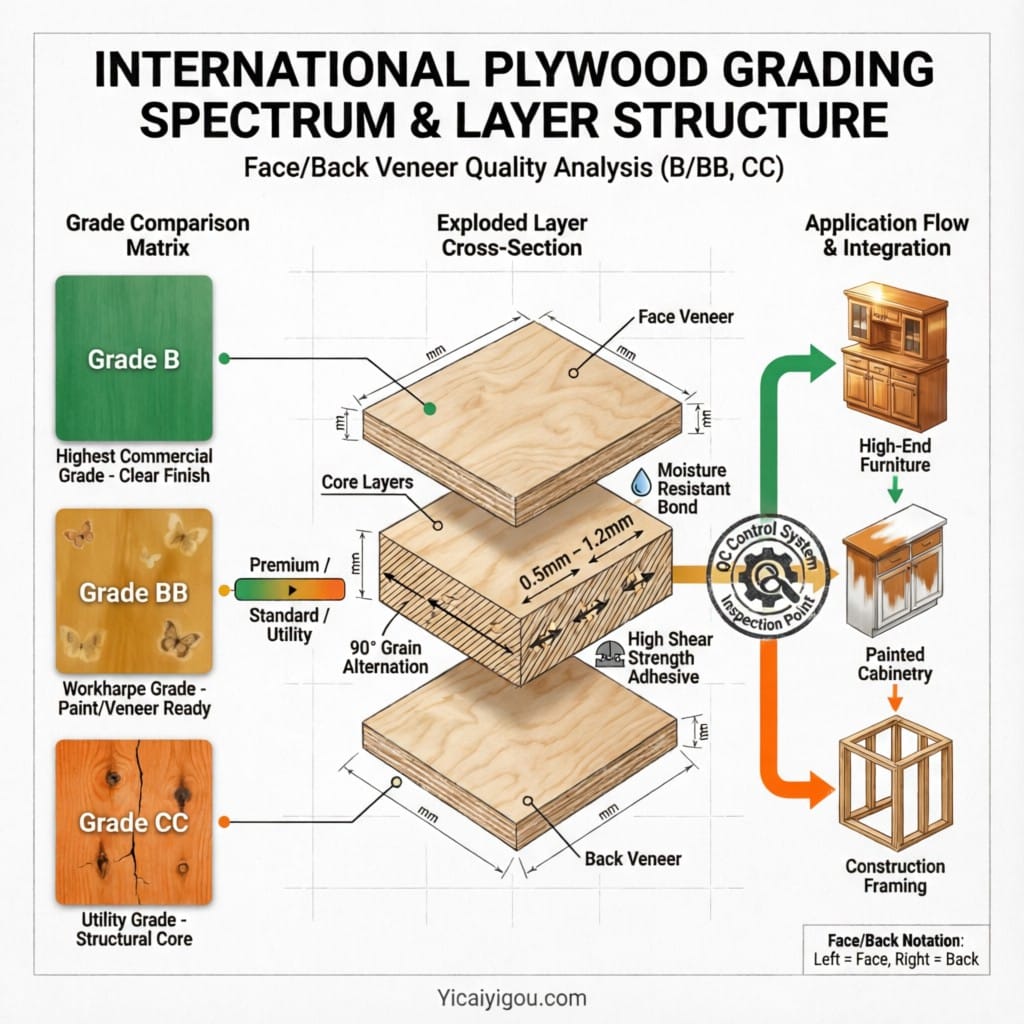
| Material Type | Structural Integrity | Weight Profile | Dimensional Stability | Sustainability & Compliance | Manufacturing Compatibility |
|---|---|---|---|---|---|
| 1.2mm Ultra-Thin Plywood | High rigidity; engineered for premium box structures | Lightweight; reduces logistics and shipping costs | High; resistant to warping compared to solid wood | Engineered for minimal environmental impact; meets global compliance standards | Excellent; compatible with high-precision CNC machining for intricate designs |
| Traditional Solid Wood | Strong but bulky | Heavy; increases shipping weight and costs | Low; prone to warping and environmental sensitivity | Variable; often lacks standardized industrial compliance for mass packaging | Moderate; difficult to achieve consistent thinness and precision at scale |
| Standard Paperboard | Low; lacks rigidity for high-value items | Very lightweight | Moderate; susceptible to crushing under pressure | Generally recyclable but may lack premium tactile perception | High; easy to cut but limited in structural complexity |
| Bulky Plastics | High rigidity | Moderate to Heavy | High; stable but environmentally contentious | Low; faces increasing regulatory scrutiny and consumer backlash | High; moldable but lacks the natural aesthetic of wood |
The shift toward sustainable, high-end unboxing experiences has transformed packaging from a disposable necessity into a critical brand touchpoint. As luxury brands and tech giants demand materials that balance structural integrity with minimal environmental impact, 1.2mm ultra-thin plywood has emerged as the engineering standard for rigid, lightweight boxes. This article details the technical specifications, compliance benchmarks, and sourcing strategies required to integrate this material into premium supply chains, ensuring buyers mitigate risk while achieving superior aesthetic results.
The Rise of Rigid, Sustainable Luxury Packaging
Consumer expectations for premium products have evolved beyond the item itself to include the entire unboxing ritual. Brands like Apple and Tesla have set a precedent where packaging must feel substantial yet refined, moving away from bulky plastics toward engineered wood solutions that convey quality and sustainability. However, traditional solid woods are often too heavy or prone to warping, while standard paperboard lacks the rigidity required for high-value items. This gap has driven procurement teams toward ultra-thin engineered veneers, specifically 1.2mm plywood, which offers the tactile warmth of wood with the dimensional stability of industrial composites.
For supply chain managers at major retailers like Amazon or IKEA, the challenge lies in sourcing materials that meet strict global compliance standards without compromising on lead times or cost efficiency. The adoption of 1.2mm plywood allows for significant reductions in shipping weight compared to solid wood alternatives, directly impacting logistics costs. Furthermore, its compatibility with high-precision CNC machining enables intricate designs that elevate brand perception. Understanding the technical nuances of this material is no longer optional for procurement leaders; it is a strategic imperative for maintaining competitive advantage in the luxury sector.
This guide provides a data-driven analysis of 1.2mm ultra-thin plywood, focusing on its mechanical properties, regulatory compliance under EUDR and CARB P2, and practical application in premium box manufacturing. By leveraging verifiable specifications from Yicaiyigou, buyers can make informed decisions that reduce compliance risk and enhance product value.
Technical Specifications and Compliance Benchmarks
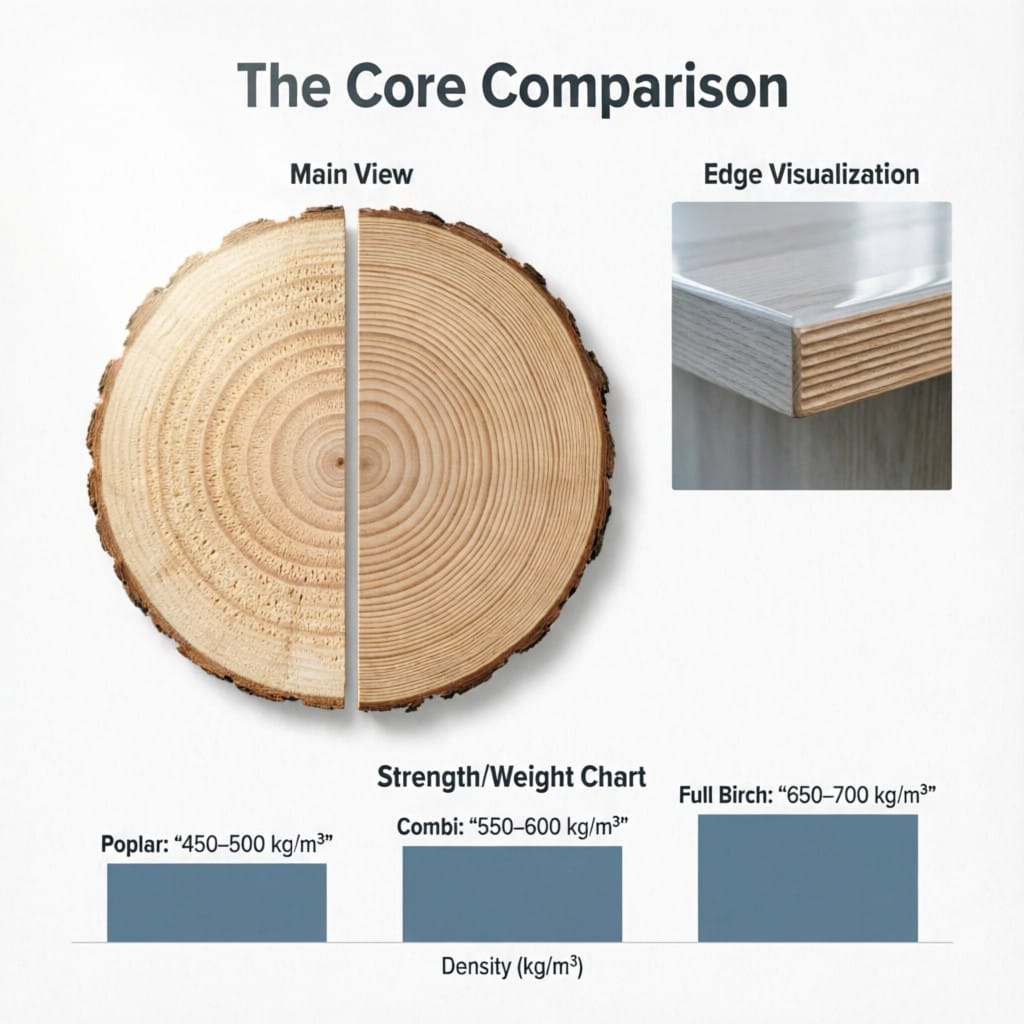
When evaluating 1.2mm plywood for luxury packaging, technical consistency is paramount. Yicaiyigou produces precision-engineered veneer cores that maintain strict tolerance levels, ensuring uniformity across large production runs. The density of the core material typically ranges between 550-750 kg/m³ for particle-based substrates or higher for HDF variants, providing the necessary rigidity for thin-gauge applications. For context, standard structural plywood may vary widely, but premium packaging grades require consistent density to prevent delamination during die-cutting or folding processes.
Formaldehyde emissions are a critical concern for indoor air quality and regulatory compliance. Yicaiyigou’s products adhere to some of the strictest global standards, including CARB P2 (≤0.11 ppm for composites), E0 (≤0.07 ppm), and the ultra-low ENF standard (≤0.05 mg/L). These thresholds are significantly lower than the older E1 standard (≤0.124 ppm) and far below the E2 limit (≤2.0 mg/L). For exporters targeting the European market, compliance with the EU Deforestation Regulation (EUDR), effective December 30, 2024, is mandatory. Yicaiyigou provides full Chain of Custody (CoC) documentation and FSC certification to ensure traceability from forest to factory, mitigating legal risks for buyers.
| Specification | Yicaiyigou 1.2mm Ultra-Thin Plywood | Standard Commercial Plywood |
|---|---|---|
| Thickness Tolerance | ±0.1 mm | ±0.3 mm |
| Formaldehyde Emission (ENF) | ≤0.05 mg/L | Not Typically Certified |
| Formaldehyde Emission (CARB P2) | ≤0.11 ppm | Variable, often unverified |
| Density Range | 600-800 kg/m³ (MDF/HDF core) | 450-600 kg/m³ |
| Surface Finish | Sanded to Ra 3.2 µm | Rough sawn or unsanded |
| Moisture Content | 8-12% | 12-15% |
| FSC Certification | Yes, with CoC Documentation | Often Unavailable |
| EUDR Compliance | Full Traceability Provided | Limited Traceability |
The data above highlights the superior precision and compliance of Yicaiyigou’s offerings. While standard commercial plywood may suffice for structural construction, it lacks the tight tolerances and verified low-emission profiles required for premium consumer packaging. The ENF ≤0.05 mg/L rating ensures that even in confined retail displays, air quality remains unaffected, a key selling point for health-conscious brands.
Industry Applications and Real-World Specifications
In the electronics sector, manufacturers use 1.2mm plywood to create rigid inner trays that protect devices during transit. For example, a smartphone manufacturer might specify a tray with a density of >800 kg/m³ (HDF) to ensure it withstands drop tests while remaining lightweight. Yicaiyigou’s ability to produce sheets in standard sizes of 2440x1220mm allows for efficient nesting and minimal waste during CNC cutting. With a lead time of 15-25 days and a minimum order quantity (MOQ) of one 20ft container (holding 20-25 m³), brands can maintain lean inventory levels without risking stockouts.
For luxury cosmetics and jewelry, the aesthetic appeal of the wood grain is crucial. Yicaiyigou’s precision MDF and plywood products offer a smooth surface ideal for high-quality printing or veneer lamination. A jewelry brand might utilize the E0 (≤0.07 ppm) certified boards to create display boxes that sit in close proximity to customers in retail environments. The consistent thickness ensures that automated assembly lines can handle the components without jamming, reducing labor costs and increasing throughput. The Japan JAS F★★★★ standard (≤0.3 mg/L via JIS A 1460 desiccator method) further validates the material’s safety for international markets with stringent regulations.
Supplier Solution: Yicaiyigou’s Competitive Advantage
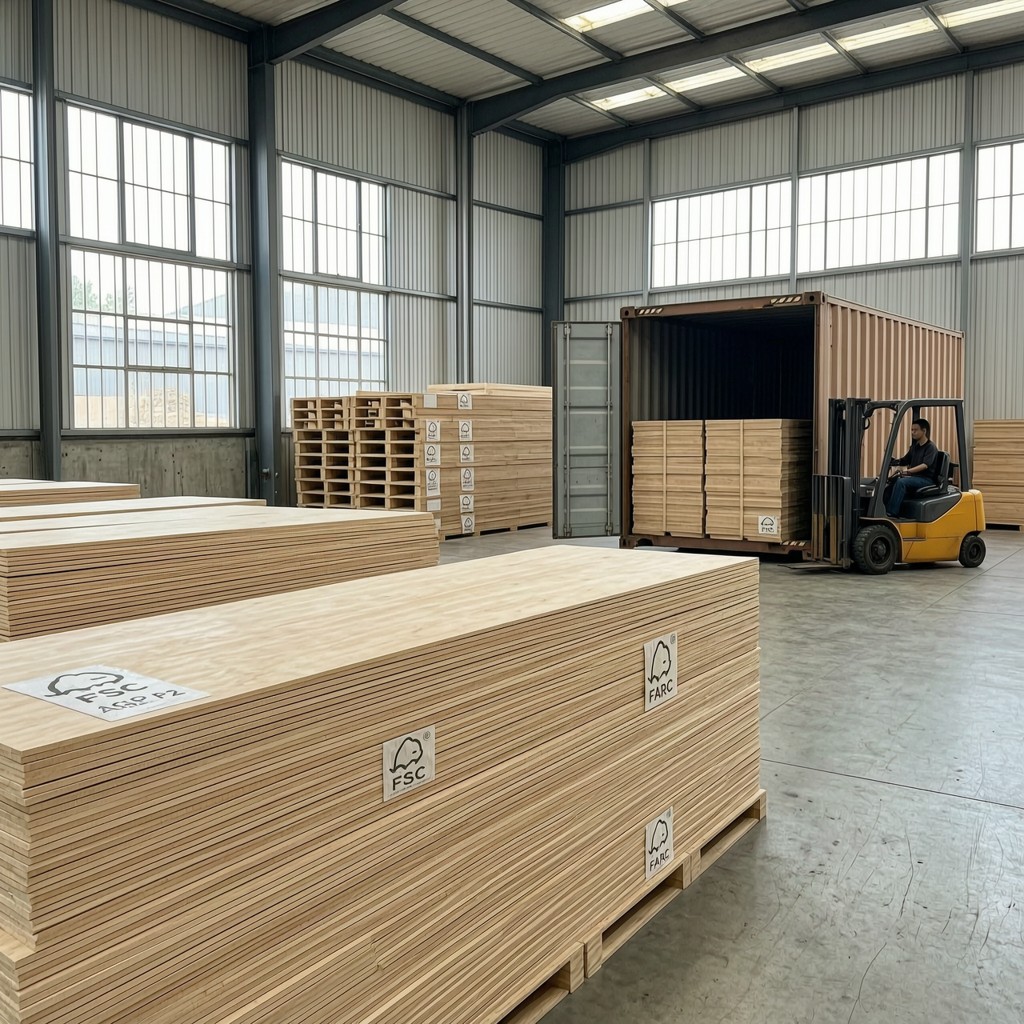
Yicaiyigou distinguishes itself through rigorous quality control and transparent documentation. Every batch of 1.2mm plywood comes with verifiable certification numbers for FSC, CARB P2, CE, and ENF compliance. This level of transparency is essential for buyers navigating the complex landscape of global trade regulations, particularly with the upcoming EUDR enforcement. By providing detailed Chain of Custody (CoC) documentation, Yicaiyigou ensures that every square meter of wood can be traced back to sustainable sources, protecting buyers from reputational and legal risks.
Logistical efficiency is another key benefit. With a 40ft container holding 45-50 m³ of material, Yicaiyigou optimizes shipping volumes to reduce per-unit freight costs. The company’s standard lead time of 15-25 days allows for predictable supply chain planning, crucial for seasonal product launches. Whether sourcing Precision MDF, Structural Plywood, or High-Density Particleboard, buyers receive materials that meet exacting density and emission standards. Requesting a compliant material sample with full CoC documentation allows procurement teams to verify these claims before committing to larger orders.
FAQ
What is the formaldehyde emission level of Yicaiyigou’s ENF-certified plywood?
Yicaiyigou’s ENF-certified plywood has a formaldehyde emission level of ≤0.05 mg/L, which is among the lowest globally available standards.
How much volume does a 20ft container hold for 1.2mm plywood orders?
A 20ft container typically holds 20-25 m³ of material, with an MOQ of one 20ft container for standard orders.
Is Yicaiyigou compliant with the EU Deforestation Regulation (EUDR)?
Yes, Yicaiyigou provides full Chain of Custody (CoC) documentation and FSC certification to ensure compliance with EUDR effective December 30, 2024.
What is the standard sheet size for 1.2mm ultra-thin plywood?
The standard size is 2440x1220mm, which is optimized for efficient CNC machining and minimal material waste.
What is the lead time for orders from Yicaiyigou?
The typical lead time is 15-25 days, depending on order volume and customization requirements.
Summary & Next Steps
Selecting the right 1.2mm plywood for luxury packaging requires balancing technical precision, regulatory compliance, and logistical efficiency. Yicaiyigou offers a robust solution with ENF ≤0.05 mg/L emissions, FSC certification, and consistent density profiles that meet the demands of top-tier brands. By prioritizing verified data and transparent supply chains, buyers can secure materials that enhance product value while mitigating compliance risks.
Request a compliant material sample with full CoC documentation from Yicaiyigou to validate these specifications for your next premium packaging project.
Frequently Asked Questions
Why is 1.2mm ultra-thin plywood preferred over traditional solid wood or standard paperboard for luxury packaging?
1.2mm ultra-thin plywood is preferred because it bridges the gap between materials; unlike solid wood, it is lightweight and resistant to warping, and unlike standard paperboard, it offers the rigidity required for high-value items. It provides the tactile warmth of wood with the dimensional stability of industrial composites, making it ideal for rigid, lightweight boxes that meet sustainability goals.
How does using 1.2mm plywood impact logistics and manufacturing processes for premium brands?
Using 1.2mm plywood significantly reduces shipping weight compared to solid wood alternatives, which directly lowers logistics costs. Additionally, its compatibility with high-precision CNC machining allows for intricate designs that enhance brand perception, while its structural integrity supports the rigorous demands of automated supply chains.
What are the key formaldehyde emission standards that Yicaiyigou’s 1.2mm plywood meets?
Yicaiyigou’s products adhere to strict global standards including CARB P2 (≤0.11 ppm for composites), E0 (≤0.07 ppm), and the ultra-low ENF standard (≤0.05 mg/L). These thresholds are significantly lower than the older E1 and E2 standards, ensuring better indoor air quality and regulatory compliance.
What compliance documentation is necessary for exporters targeting the European market under the EU Deforestation Regulation (EUDR)?
Exporters targeting the European market must comply with the EUDR, effective December 30, 2024. To mitigate legal risks, buyers need full Chain of Custody (CoC) documentation and FSC certification from suppliers like Yicaiyigou to ensure traceability from forest to factory.
What technical specifications regarding density are critical for preventing delamination in 1.2mm plywood packaging?
To prevent delamination during die-cutting or folding, premium packaging grades require consistent density. For particle-based substrates, the density typically ranges between 550-750 kg/m³, while HDF variants may be higher. This consistency ensures uniformity across large production runs and maintains structural integrity.