| Feature | Traditional Clamping Methods | Calibrated Cores for CNC |
|---|---|---|
| Holding Mechanism | Relies on friction and pressure | Provides a kinematic reference point |
| Stability Under Load | Prone to microscopic shifts during heavy milling or high-speed routing | Eliminates variability before the first chip is cut |
| Zero Point Consistency | Variable; susceptible to vibration and torque | Establishes a repeatable zero point |
| Spatial Orientation | Inconsistent alignment across different blanks | Ensures exact same spatial orientation relative to the spindle |
| Impact on Tolerance | Risk of deviation (e.g., 0.005 inches off-spec) | Maintains high-precision tolerance stacks |
| Material Compatibility | General application | Optimized for solid aluminum, composites, and dense hardwoods |
The Hidden Variable in High-Tolerance CNC Operations
Imagine this scenario: You have programmed a flawless G-code sequence. Your end mills are sharp, your spindle is balanced, and your coolant flow is optimized. Yet, when the machine finishes its cycle, the final part measures 0.005 inches off-spec. In the world of high-precision manufacturing, that deviation isn’t just an error; it’s a catastrophe. While most operators immediately blame tool wear or thermal expansion, the culprit is often far more fundamental: the foundation upon which the material rests.
In modern CNC environments, particularly those dealing with complex assemblies like aluminum enclosures and aluminum cases, the stability of the workpiece is paramount. This is where calibrated cores for cnc machining transition from a nice-to-have accessory to an absolute necessity. Without precise core alignment, even the most expensive five-axis machine is merely guessing at geometry.
Beyond Clamping: The Physics of Workholding Stability
Traditional clamping methods rely on friction and pressure to hold a workpiece in place. However, as cutting forces increase during heavy milling or high-speed routing, microscopic shifts occur. These shifts are imperceptible to the naked eye but devastating to tolerance stacks. Calibrated cores solve this by providing a kinematic reference point that eliminates variability before the first chip is cut.

When we discuss precision core alignment in cnc, we are talking about establishing a repeatable zero point that survives the vibration and torque of aggressive machining strategies. For industries producing structural components or aesthetic consumer electronics housings, this consistency is non-negotiable. A calibrated core ensures that every blank, whether it is solid aluminum, composite, or dense hardwood, sits in the exact same spatial orientation relative to the spindle.
The Role of Material Density and Homogeneity
One might ask why this matters so much for wood products or mixed-material projects. The answer lies in density variation. Natural materials have grain structures that can cause uneven resistance during cutting. If the core holding the material is not perfectly calibrated, these varying resistances can push the workpiece slightly out of alignment. By using a calibrated system, you neutralize these variables, allowing the CNC to cut based on programmed coordinates rather than reacting to physical inconsistencies in the hold-down.
Elevating Surface Quality Through Rigidity
There is a direct correlation between workholding rigidity and the quality of surface finishing. When a workpiece vibrates—even at high frequencies—it creates “chatter” marks on the finished surface. These marks require additional post-processing time, sanding, or polishing, which drives up labor costs and reduces throughput.
By utilizing cnc workholding calibration best practices, manufacturers can achieve mirror-like finishes directly off the machine. This is particularly critical for aluminum cases used in premium audio equipment or medical devices, where visual perfection is as important as dimensional accuracy. A stable core absorbs the energy of the cut, allowing the tool to shear the material cleanly rather than tearing it. This results in smoother walls, sharper corners, and a significant reduction in secondary operations.
Precision Machining in Complex Geometries
Modern design trends favor complex, organic shapes that require multi-sided machining. Flipping a part introduces new opportunities for error. If the core used in the first operation is not aligned with the core used in the second, the features will not match up. This misalignment is the enemy of precision machining.
Calibrated cores often feature integrated datum references that allow for quick, accurate re-fixturing. This means an operator can machine the top side of an aluminum enclosure, flip the part, and machine the bottom side with confidence that the mounting holes will align perfectly with the internal cavities. This capability reduces setup time dramatically and minimizes the risk of scrapping expensive materials due to human error during re-clamping.
Implementing Calibration Best Practices
Adopting calibrated cores is not just about purchasing new hardware; it requires a shift in operational mindset. To truly benefit from this technology, shops must adhere to strict cnc workholding calibration best practices.
First, regular verification is essential. Cores should be checked against master gauges at the start of each shift or after any significant machine maintenance. Second, cleanliness cannot be overstated. A single chip trapped between the core and the workpiece can ruin the alignment. Implementing air-blast cleaning cycles before loading materials is a simple yet effective protocol.
Third, operators must understand the limits of their specific core system. Not all calibrated cores are created equal; some are designed for heavy roughing, while others excel in fine finishing. Matching the core type to the specific job requirements ensures longevity of both the tooling and the workholding system.
The Economic Case for Precision Alignment
Critics may argue that calibrated cores add an upfront cost to production. However, when analyzing the total cost of ownership, the savings become evident. Reduced scrap rates, lower labor hours spent on deburring and rework, and faster setup times contribute to a healthier bottom line. In high-volume production runs, the ability to maintain tight tolerances without constant manual adjustment translates to higher machine utilization rates.
Furthermore, the reputation of a manufacturer is built on consistency. Clients who order aluminum enclosures or custom wood products expect every unit to be identical. Calibrated cores provide the statistical process control necessary to guarantee this consistency, fostering trust and long-term partnerships.
Future-Proofing Your Shop Floor
As CNC machines become faster and more powerful, the demands on workholding will only increase. The trend toward lights-out manufacturing and automated cells requires systems that are robust, repeatable, and self-correcting. Calibrated cores are the backbone of this automation. They provide the reliable interface between the digital design and the physical part.
For shops looking to stay competitive, ignoring the importance of the workpiece foundation is a risky strategy. Investing in calibrated cores for cnc machining is an investment in precision, efficiency, and quality. It transforms the CNC machine from a simple cutting tool into a predictable, high-yield production asset.
In conclusion, the path to superior manufacturing does not lie solely in faster spindles or smarter software. It lies in the fundamentals. By mastering precision core alignment in cnc and adhering to rigorous calibration standards, manufacturers can unlock the full potential of their equipment. Whether you are crafting intricate aluminum cases or detailed wood products, the difference between good and great often comes down to how well you hold your work.
Why CNC Professionals Choose Yicaiyigou for Precision Core Materials
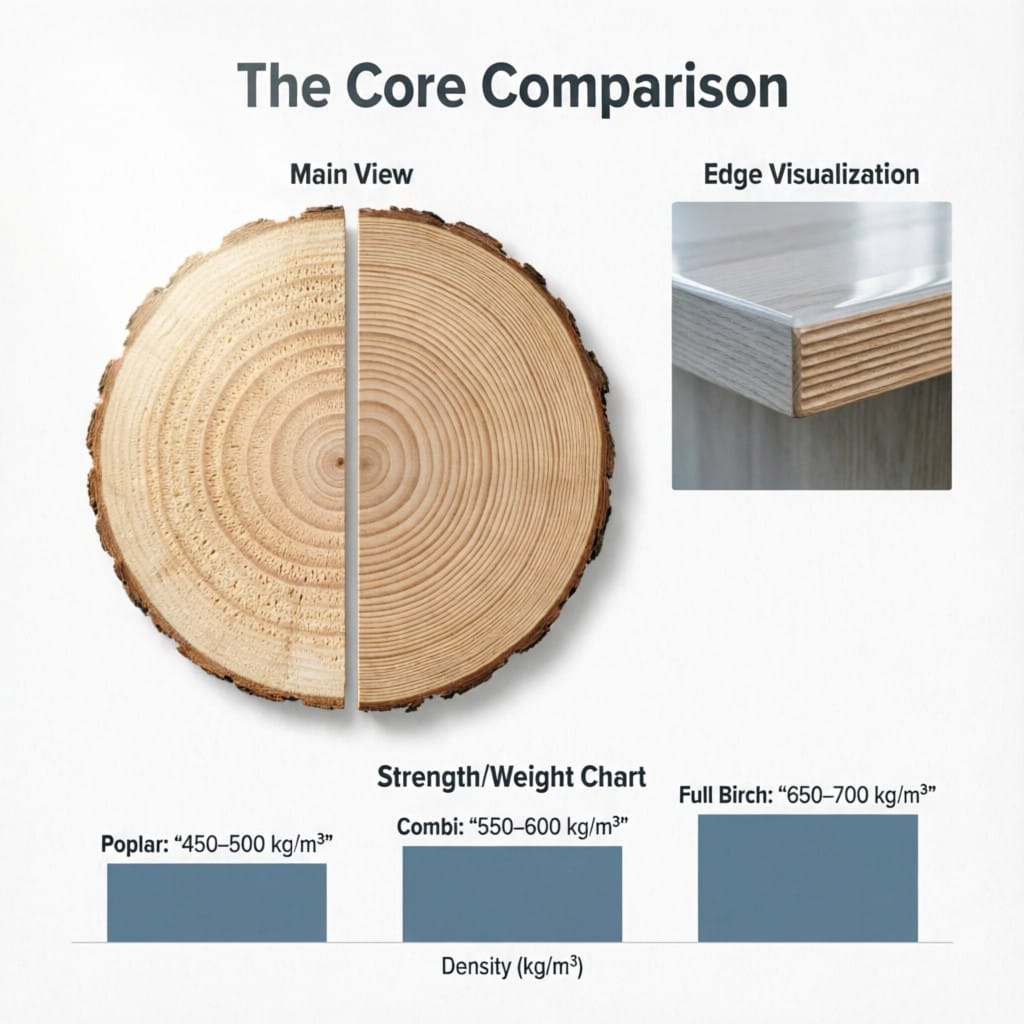
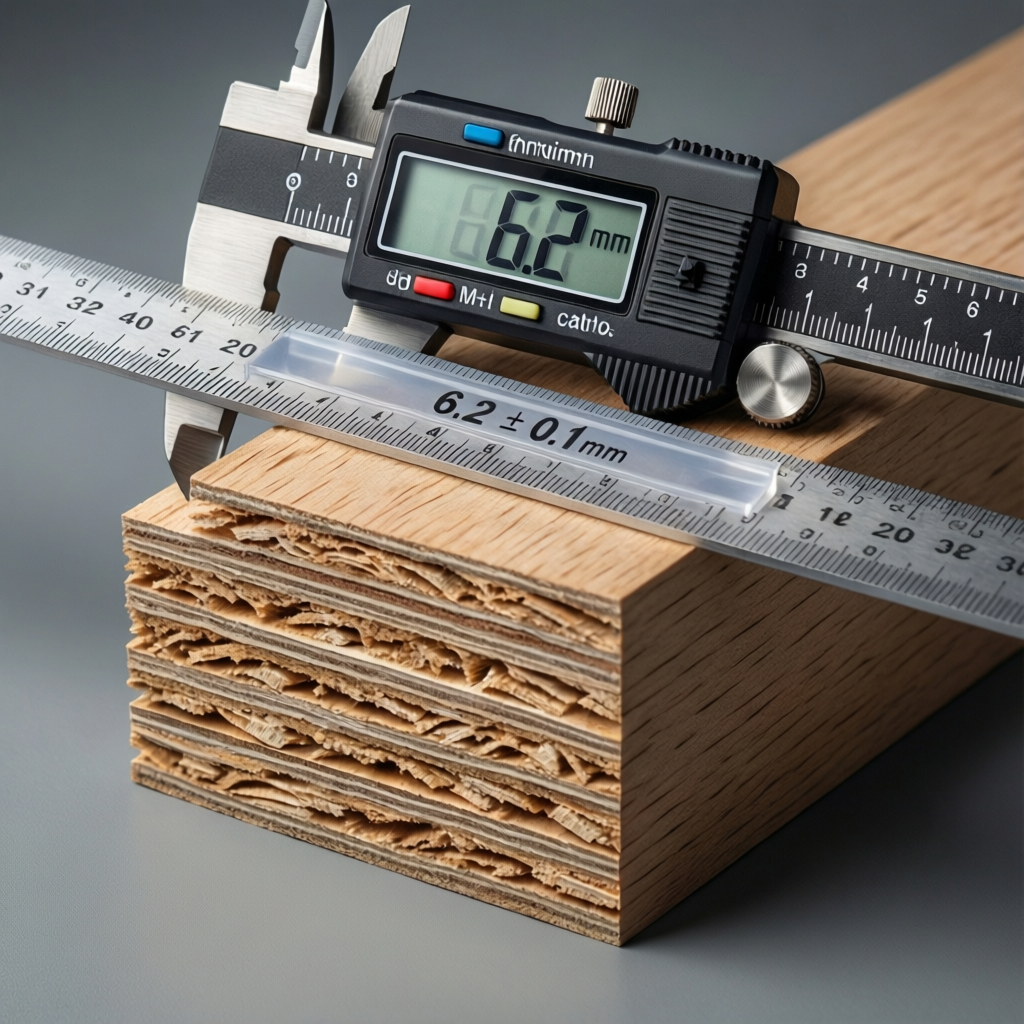
Yicaiyigou manufactures precision MDF and HDF panels engineered for CNC applications. Our calibrated cores maintain tight thickness tolerances of +/-0.2mm across 3mm to 30mm thickness ranges, ensuring consistent workholding and machining accuracy. With density ranges from 600-800 kg/m3 for standard MDF to 800-1,000+ kg/m3 for HDF, our panels provide the stability required for high-precision CNC work.
Every panel meets CARB P2 and ENF formaldehyde emission standards. Our standard 2440x1220mm sheets are optimized for CNC bed sizes with minimal waste, and our 15-25 day lead times ensure your production schedule stays on track.
Request a sample pack of our precision-calibrated core materials to experience the consistency your CNC operations demand.
Frequently Asked Questions
What is identified as the primary cause for parts measuring off-spec in high-tolerance CNC operations, despite optimized tooling and G-code?
The culprit is often the stability of the workpiece foundation. Without precise core alignment, even expensive machines struggle with geometry, making calibrated cores a necessity to eliminate variability before cutting begins.
How do calibrated cores improve upon traditional clamping methods regarding workholding stability?
Traditional clamping relies on friction and pressure, which can allow microscopic shifts under cutting forces. Calibrated cores provide a kinematic reference point that establishes a repeatable zero point, eliminating variability caused by vibration and torque.
Why is material density and homogeneity particularly important when machining natural materials like wood or composites?
Natural materials have grain structures that cause uneven resistance during cutting. If the holding core is not perfectly calibrated, these varying resistances can push the workpiece out of alignment; a calibrated system neutralizes these variables to ensure cuts follow programmed coordinates.
What is the relationship between workholding rigidity and surface finishing quality?
There is a direct correlation: insufficient rigidity causes workpiece vibration and ‘chatter’ marks, requiring additional post-processing. A stable, calibrated core absorbs cutting energy, allowing for cleaner shearing and mirror-like finishes directly off the machine, which reduces labor costs.
How do calibrated cores assist in maintaining precision during multi-sided machining of complex geometries?
Calibrated cores often feature integrated datum references that allow for quick and accurate re-fixturing. This ensures that when a part is flipped for subsequent operations, such as machining the bottom of an aluminum enclosure after the top, the features align correctly without misalignment errors.