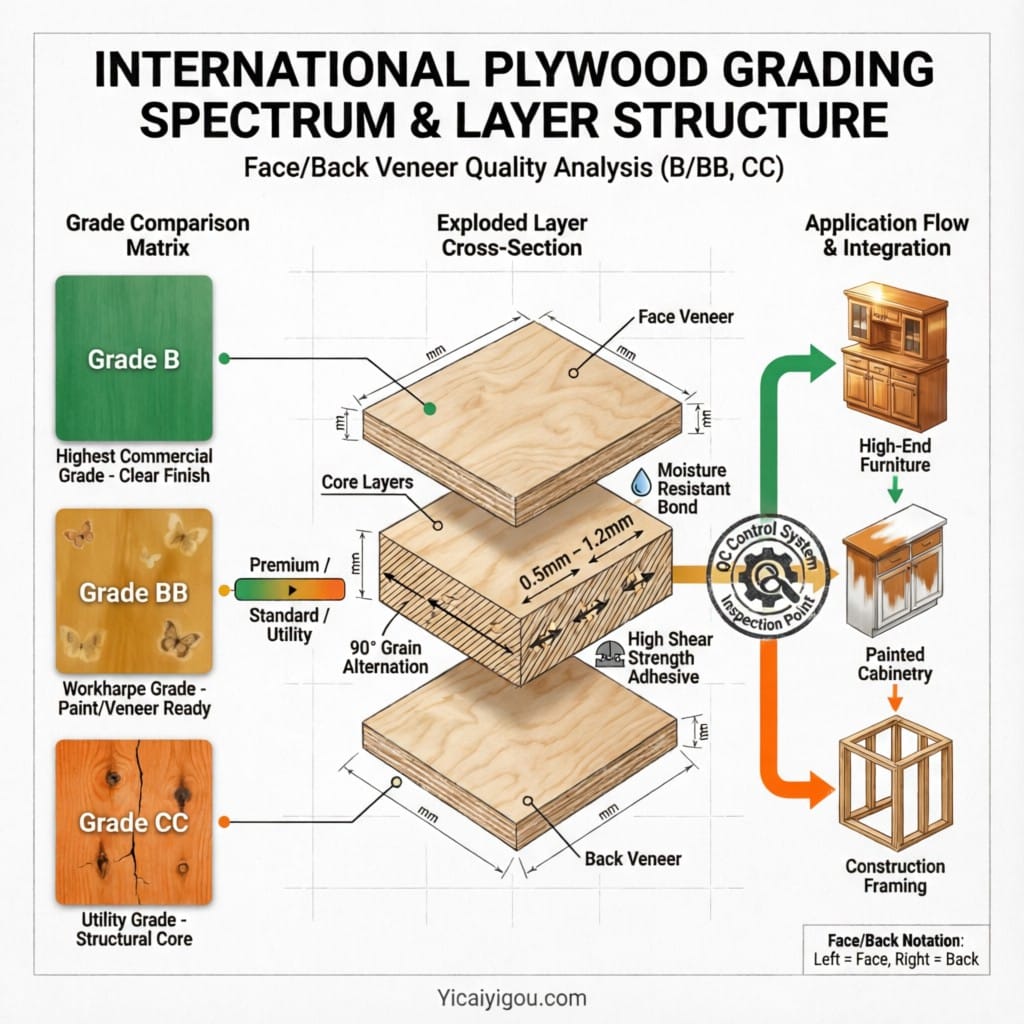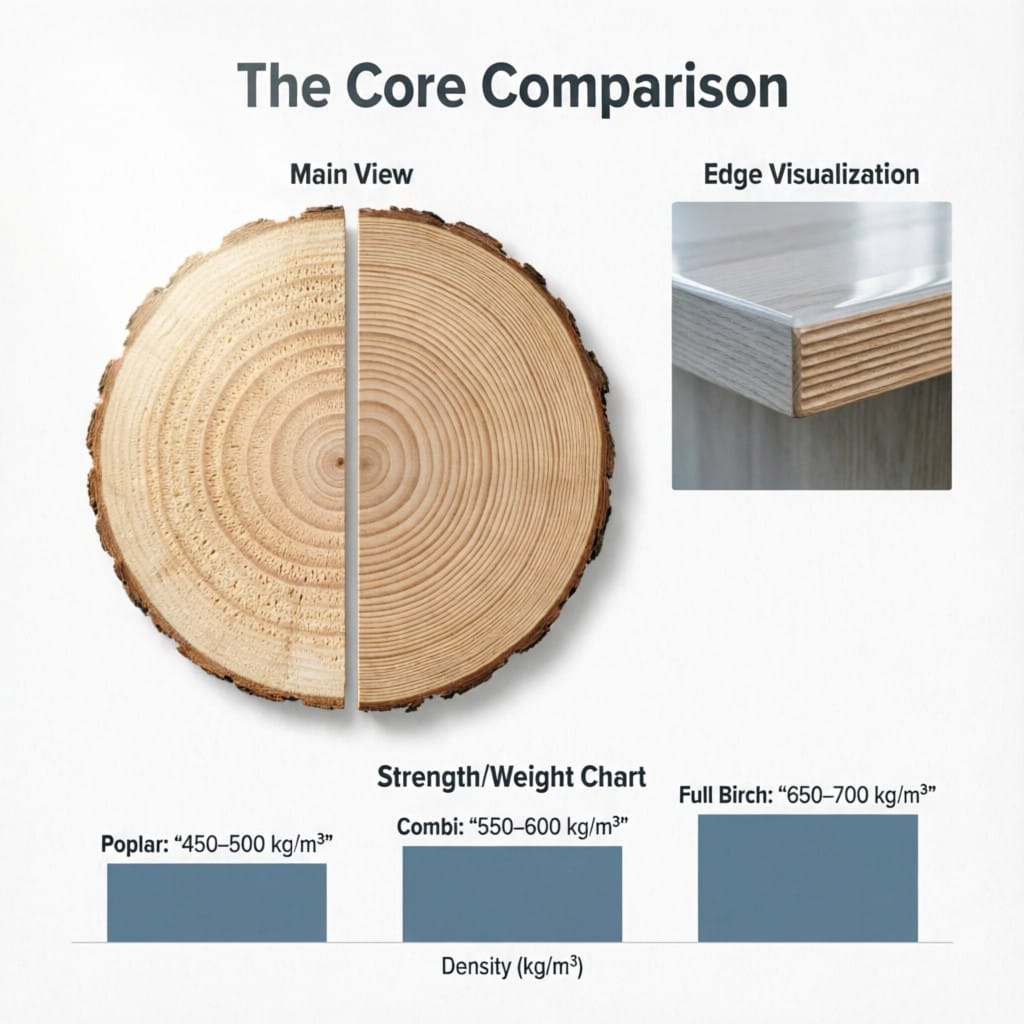
| Product Type | Key Technical Metric | Regulatory/Compliance Focus | Primary Sourcing Risk |
|---|---|---|---|
| Precision MDF | Density Thresholds | Formaldehyde Emissions (VOCs) | Performance failure under load due to variance |
| Structural Plywood | Bonding Agent Quality | Chain of Custody (CoC) Documentation | Shipment rejection due to missing paperwork |
| High-Density Particleboard | Load-Bearing Capacity | EU Deforestation Regulation (EUDR) | Excessive Volatile Organic Compounds (VOCs) |
Navigating the complexities of global timber procurement requires more than just finding a low price; it demands rigorous verification of technical specifications and regulatory compliance. This guide dissects the most critical sourcing pitfalls for first-time importers, providing actionable data on density thresholds, formaldehyde limits, and container logistics to mitigate risk. By understanding these metrics, procurement managers can secure supply chains that meet strict international standards while optimizing landed costs.

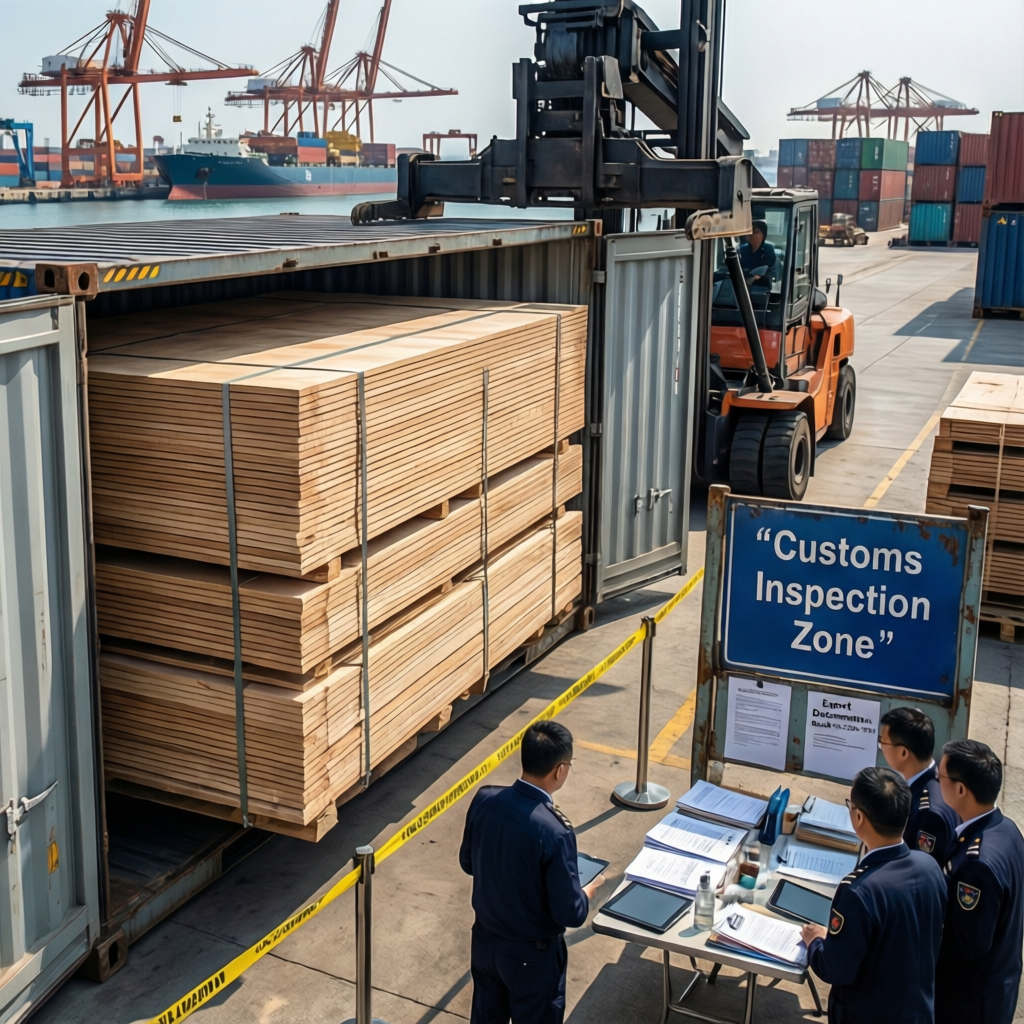
The global supply chain for engineered wood has shifted dramatically. Major OEMs like Apple and IKEA no longer view sustainability as a marketing add-on but as a non-negotiable operational requirement. With the EU Deforestation Regulation (EUDR) taking effect on December 30, 2024, the margin for error in documentation has vanished. For furniture makers and construction firms, the cost of a rejected shipment due to missing Chain of Custody (CoC) paperwork or failed formaldehyde tests far exceeds the initial savings of choosing an unverified supplier. Understanding these dynamics is essential for any buyer entering the market today.
First-time importers often underestimate the technical variance in engineered wood products. A panel labeled “MDF” can vary significantly in performance depending on its density and bonding agents. Without precise data, buyers risk receiving materials that fail under load or emit excessive volatile organic compounds (VOCs). This article provides a clear framework for evaluating Precision MDF, Structural Plywood, and High-Density Particleboard, ensuring that your procurement strategy aligns with both engineering requirements and legal mandates.
Regulatory Landscape and Technical Benchmarks
Compliance is not merely about having a certificate; it is about meeting specific numerical thresholds that dictate market access. For exporters targeting North America and Europe, formaldehyde emissions are the primary technical hurdle. The California Air Resources Board (CARB) Phase 2 standard remains the gold standard for composite wood products, requiring emissions to be ≤0.11 ppm. However, the European market is moving toward even stricter limits, with the ENF standard requiring formaldehyde emissions to be ≤0.05 mg/L.
Understanding these distinctions is vital for avoiding costly customs delays. While E1 (≤0.124 ppm) is acceptable in many regions, it may not suffice for high-end indoor applications in stringent markets. Japan’s JAS F★★★★ standard, which limits formaldehyde to ≤0.3 mg/L using the desiccator method (JIS A 1460), offers another benchmark for quality. Buyers must specify the exact testing method and limit required for their end-use case, rather than relying on generic “eco-friendly” claims.
| Specification | Precision MDF | Structural Plywood | High-Density Particleboard |
|---|---|---|---|
| Density Range | 600-800 kg/m³ | Varies by veneer/layer | >800 kg/m³ up to 1,000+ kg/m³ |
| Thickness Range | 3mm – 30mm | 3mm – 30mm | 3mm – 30mm |
| Standard Size | 2440 x 1220 mm | 2440 x 1220 mm | 2440 x 1220 mm |
| Formaldehyde (ENF) | ≤0.05 mg/L | ≤0.05 mg/L | ≤0.05 mg/L |
| Formaldehyde (E0) | ≤0.07 ppm | ≤0.07 ppm | ≤0.07 ppm |
| Formaldehyde (CARB P2) | ≤0.11 ppm | ≤0.11 ppm | ≤0.11 ppm |
| Container Load (20ft) | 20-25 m³ | 20-25 m³ | 20-25 m³ |
| Container Load (40ft) | 45-50 m³ | 45-50 m³ | 45-50 m³ |
This table highlights that while dimensions may appear similar across product types, the density and emission standards differ significantly. High-Density Particleboard, for instance, offers superior structural integrity for heavy-load applications due to its density exceeding 800 kg/m³, whereas Precision MDF provides a smoother surface for finishing at a lower density range.
Industry Applications and Real-World Specifications
Consider a furniture manufacturer exporting to the EU. They require panels that not only look premium but also pass strict indoor air quality tests. Using Yicaiyigou’s Precision MDF with ENF ≤0.05 mg/L ensures compliance with the toughest European regulations, eliminating the risk of rejection at customs. The consistent density of 600-800 kg/m³ allows for precise CNC machining, reducing tool wear and ensuring tight tolerances for joinery.
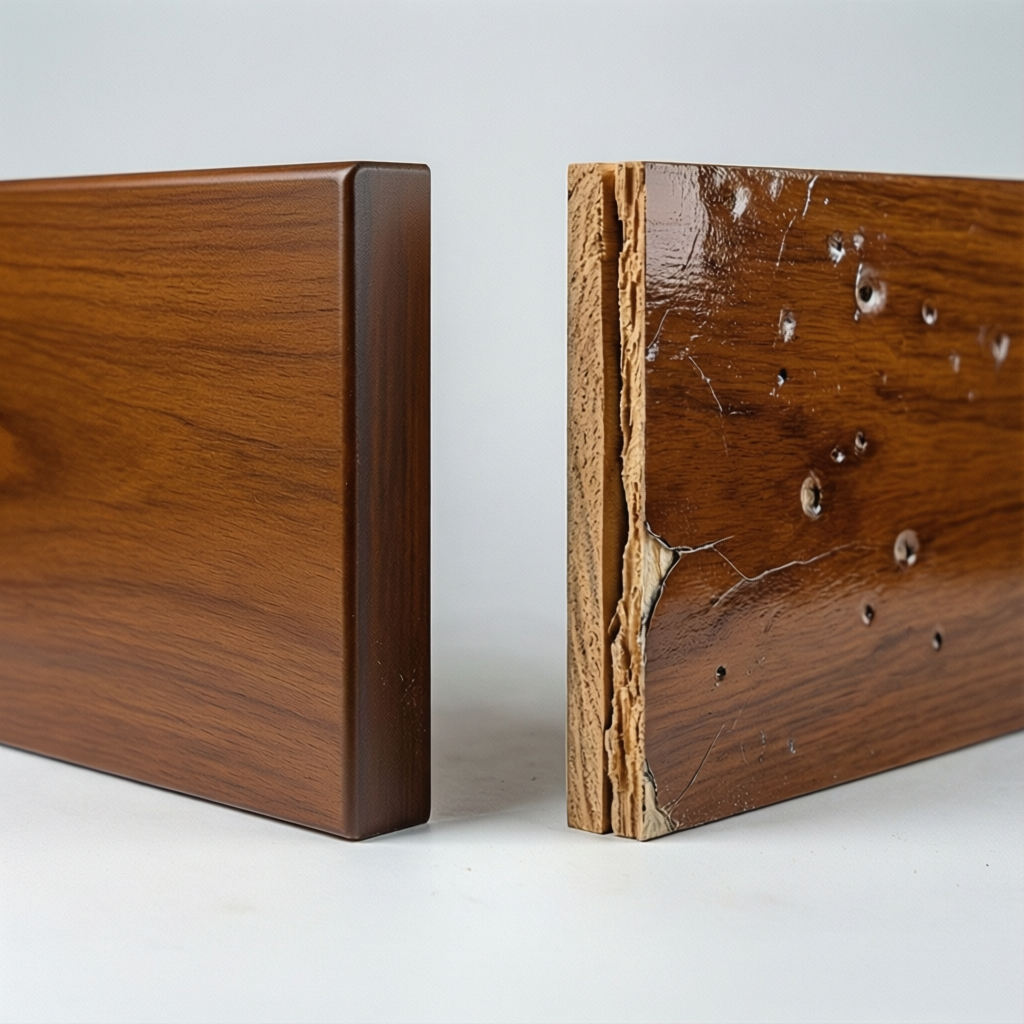
In contrast, a construction firm building temporary structures or flooring underlayment might prioritize load-bearing capacity. Here, High-Density Particleboard with a density of over 800 kg/m³ is the optimal choice. Its robust structure supports heavy foot traffic and equipment, while the CARB P2 certification (≤0.11 ppm) ensures safety for indoor installation. The standard size of 2440x1220mm maximizes material usage, minimizing waste during cutting.
For distributors supplying retail giants like Amazon or IKEA, volume and consistency are key. A 40ft container holding 45-50 m³ of product allows for efficient logistics planning. With a lead time of 15-25 days, suppliers like Yicaiyigou enable just-in-time inventory strategies, reducing warehousing costs. The Minimum Order Quantity (MOQ) of one 20ft container (20-25 m³) makes it accessible for mid-sized buyers while ensuring economies of scale.
Supplier Solution: Yicaiyigou’s Verified Approach
Yicaiyigou distinguishes itself through transparent, data-backed manufacturing processes. Every batch of Precision MDF, Structural Plywood, and High-Density Particleboard is accompanied by full Chain of Custody (CoC) documentation, verifying its FSC-certified origin. This traceability is crucial for complying with the upcoming EUDR requirements, providing buyers with peace of mind against deforestation-linked liabilities.
Our facilities produce materials that consistently meet CARB P2, CE, and ENF standards. We provide detailed test reports for every shipment, confirming formaldehyde levels are within the specified limits (e.g., ENF ≤0.05 mg/L). This level of documentation transforms sourcing from a gamble into a predictable, low-risk operation. By requesting a compliant material sample with full CoC documentation, buyers can verify quality before committing to larger orders.
Which One To Choose
Specify Precision MDF for interior furniture, cabinetry, and decorative panels where surface finish and machinability are paramount, leveraging its 600-800 kg/m³ density for smooth edges. Specify High-Density Particleboard for structural applications, flooring underlayment, and heavy-duty shelving where load-bearing capacity is critical, utilizing its >800 kg/m³ density for superior strength. Specify Structural Plywood for applications requiring high shear strength and moisture resistance, such as exterior sheathing or concrete formwork.
FAQ
What is the minimum order quantity for Yicaiyigou’s engineered wood products?
The MOQ is one 20ft container, which holds approximately 20-25 m³ of product, allowing for efficient shipping and cost-effective procurement.
How do ENF and E0 standards differ in formaldehyde limits?
ENF is the stricter standard, limiting formaldehyde to ≤0.05 mg/L, while E0 allows up to ≤0.07 ppm, making ENF preferable for sensitive indoor environments.
What is the typical lead time for orders from Yicaiyigou?
Production and preparation typically take 15-25 days, enabling reliable planning for supply chain managers and distributors.
Can Yicaiyigou provide documentation for EUDR compliance?
Yes, all FSC-certified products come with full Chain of Custody (CoC) documentation, ensuring traceability and compliance with the EU Deforestation Regulation.
What density range does Yicaiyigou’s High-Density Particleboard cover?
Our High-Density Particleboard ranges from >800 kg/m³ up to 1,000+ kg/m³, offering superior structural integrity for demanding applications.
Summary & Next Steps
Avoiding sourcing pitfalls requires a shift from price-based decision-making to data-driven verification. By prioritizing specific metrics like density (600-1,000+ kg/m³), formaldehyde limits (ENF ≤0.05 mg/L), and verified CoC documentation, buyers can secure high-quality materials that meet global regulatory standards. Yicaiyigou’s commitment to transparency and precision ensures that every shipment supports your operational efficiency and compliance goals.
Request a compliant material sample with full CoC documentation from Yicaiyigou to verify specifications and initiate a risk-free partnership.
Frequently Asked Questions
What are the specific formaldehyde emission limits for CARB Phase 2 and ENF standards mentioned in the article?
The CARB Phase 2 standard requires formaldehyde emissions to be ≤0.11 ppm, while the stricter European ENF standard requires emissions to be ≤0.05 mg/L.
How does the density of High-Density Particleboard compare to Precision MDF?
High-Density Particleboard has a density exceeding 800 kg/m³ (up to 1,000+ kg/m³), whereas Precision MDF has a lower density range of 600-800 kg/m³.
Why is Chain of Custody (CoC) paperwork critical for exporters targeting the EU market after December 30, 2024?
With the EU Deforestation Regulation (EUDR) taking effect, missing CoC paperwork can lead to rejected shipments, the cost of which far exceeds any initial savings from using unverified suppliers.
What is the typical container load volume for engineered wood products like MDF and Plywood in a 40ft container?
The typical container load for a 40ft container is between 45 and 50 cubic meters for Precision MDF, Structural Plywood, and High-Density Particleboard.
Why should buyers avoid relying on generic ‘eco-friendly’ claims when sourcing engineered wood?
Generic claims do not specify exact testing methods or numerical thresholds; buyers must specify precise limits (such as JAS F★★★★ or ENF) to ensure compliance with strict international regulations and avoid customs delays.