| Specification Category | Standard/Generic Supply | Engineering-Grade Standard | Impact on Laser Cutting & Installation |
|---|---|---|---|
| Moisture Content (MC) | 8–12% (Variable) | 6–8% (Strictly Controlled) | High MC causes warping within 48 hours post-cut due to internal stress release and uneven drying. |
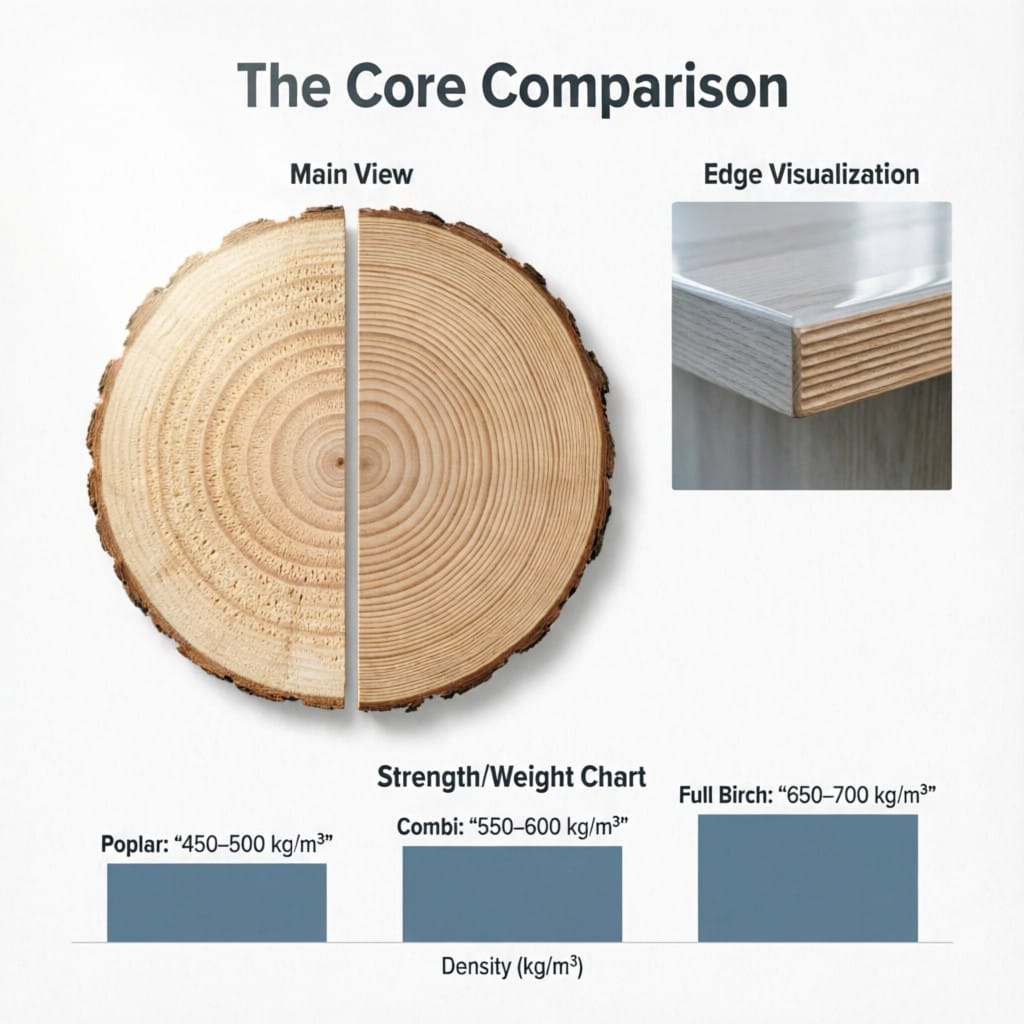
| Core Density Consistency | Inconsistent; voids common | Uniform density; batch-tested | Inconsistent density leads to buckling of intricate geometric patterns and uneven laser penetration. |
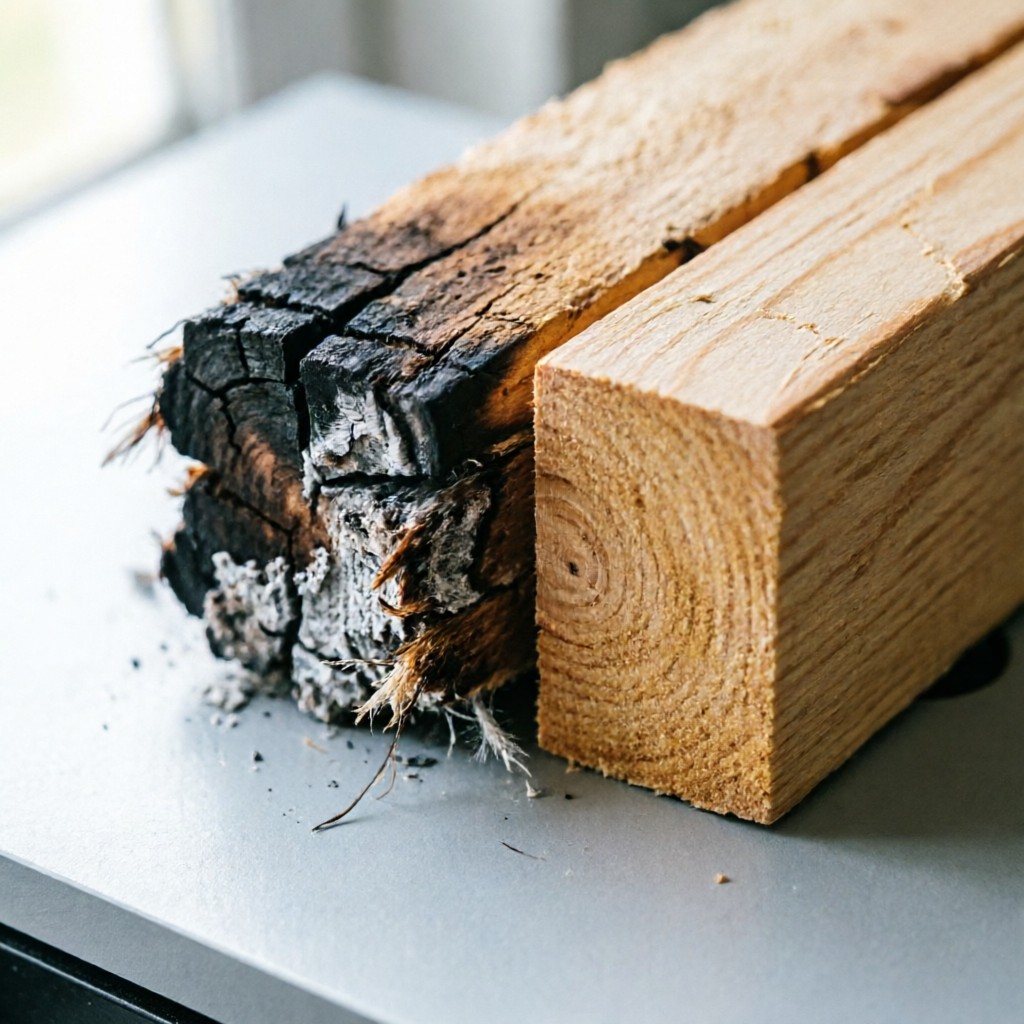
| Laser Wavelength Matching | Not specified | Optimized for CO2/Fiber lasers | Mismatched wavelengths cause excessive charring, structural weakness at cut edges, and toxic fume emission. |
| Remediation Cost (Avg.) | $2,500+ per panel | Negligible (Preventative) | Failure results in costly replacements, project delays, and reputational damage for high-end clients. |
| Documentation | Basic invoice only | Batch consistency reports included | Essential for validating suppliers and meeting contractual obligations for brands like Apple or Herman Miller. |
Laser-cut wood installations fail when material specifications ignore moisture dynamics and thermal tolerances, leading to costly remediation. This guide details the precise engineering standards—specifically moisture content control and laser wavelength matching—required to guarantee structural integrity in high-end interior design projects.
The Cost of Material Instability in Precision Joinery
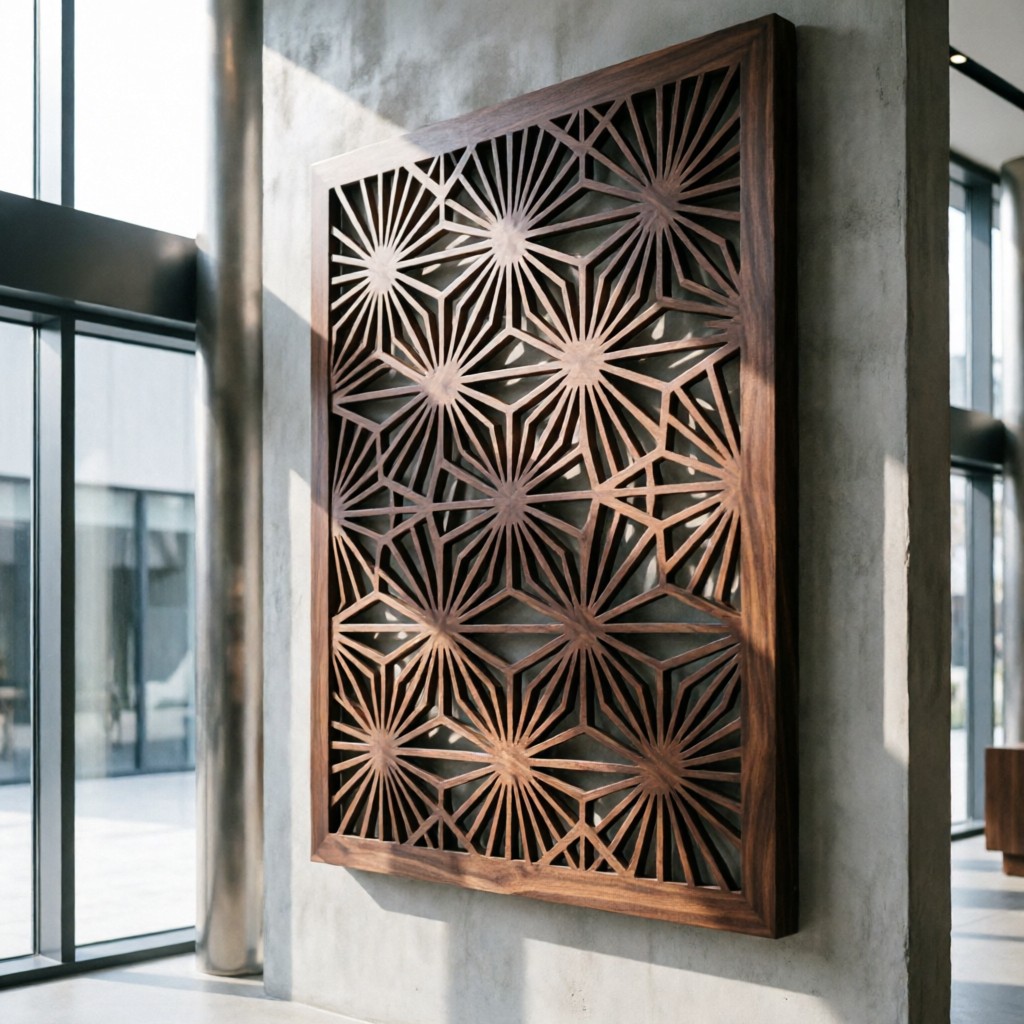
When a luxury hospitality group faced project delays on a flagship lobby installation, they discovered that standard plywood panels warped within 48 hours of laser cutting. The intricate geometric patterns, designed to create a dynamic light effect, buckled due to internal stress release and inconsistent core density. The remediation cost averaged $2,500 per panel, not including the reputational damage of missing the grand opening. This scenario is not unique; as laser cut wood interior design trends push toward larger, more complex wall assemblies, the margin for material error shrinks to zero.
For procurement managers and engineers supplying brands like Apple or Herman Miller, the risk is no longer just aesthetic—it is contractual. Failures in laser-cut components often stem from a disconnect between the digital design file and the physical material properties. Understanding the technical interplay between laser physics and wood composite behavior is essential to preventing these failures. This article provides the specific data points needed to validate suppliers and ensure installation success.
Technical Specifications for Laser Compatibility
To achieve clean cuts without charring or structural weakness, materials must meet strict physical and chemical benchmarks. Most generic suppliers fail to provide the batch consistency reports required for high-precision work. Engineers must specify materials that align with the following parameters:
- Moisture Content (MC): Maintain moisture content between 6% and 8% to prevent post-installation warping in climate-controlled interiors. Deviations above 8% cause steam expansion during laser exposure, leading to edge swelling.
- Laser Wavelength: Utilize 10.6-micron wavelength CO2 lasers with 0.1mm focal point precision. This specific wavelength is absorbed efficiently by wood fibers, allowing for intricate joinery without burn marks or excessive heat buildup.
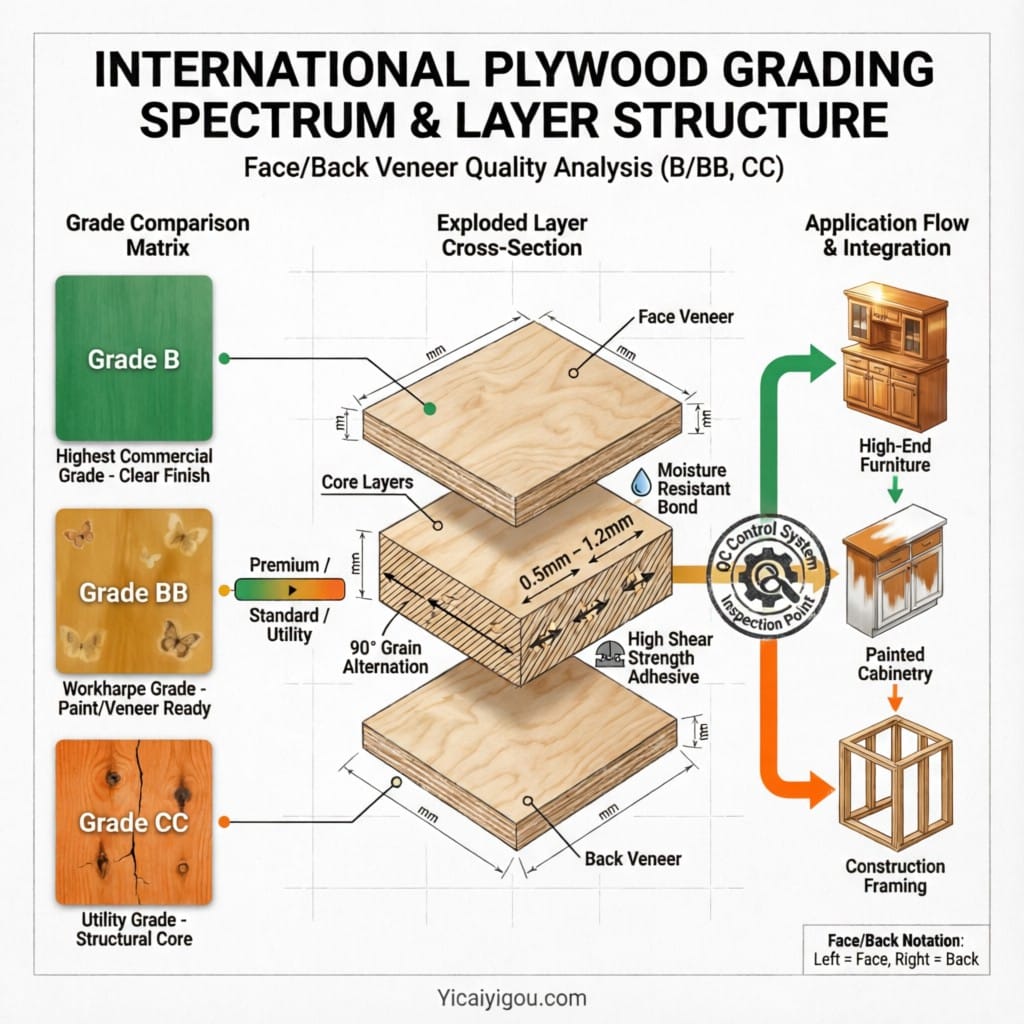
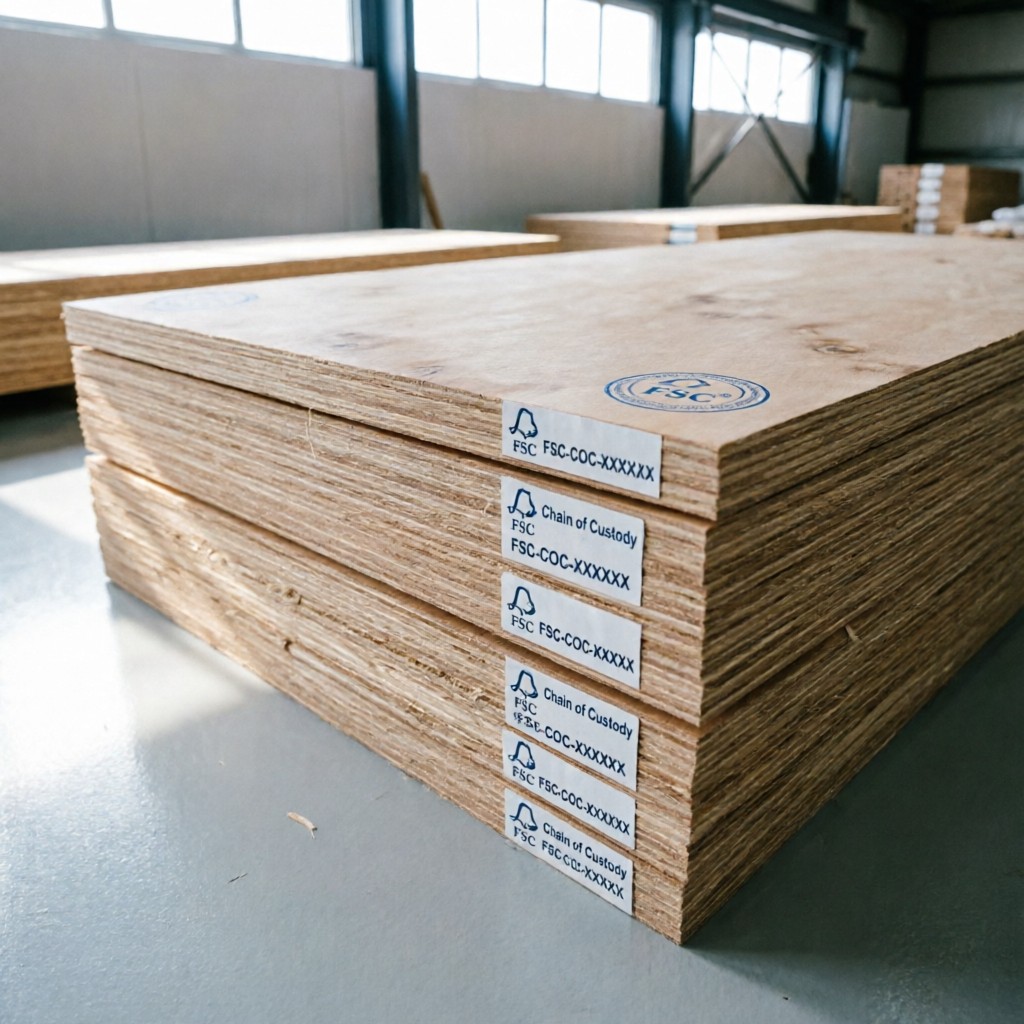
- Structural Core: Specify FSC-certified Baltic Birch plywood with minimum 7-ply construction. This ensures structural integrity for wall panels exceeding 2m height, preventing sagging under their own weight.
Beyond these basics, fire safety compliance is non-negotiable for commercial projects. Suppliers must provide fire-retardant coating compatibility data to meet ASTM E84 Class A standards. Without this data, even perfectly cut panels may fail building code inspections, halting project handover.
Performance Comparison: Standard vs. Precision-Grade Panels
The following table compares generic market offerings against Yicaiyigou’s precision-engineered specifications. Note the measurable differences in tolerance and emission standards that directly impact installation quality and regulatory compliance.
| Specification | Generic Market Panel | Yicaiyigou Precision Panel |
|---|---|---|
| Thickness Tolerance | +/- 0.5mm | +/- 0.2mm (ISO 9001 certified) |
| Moisture Content | 8-12% (Unstable) | 6-8% (Climate-stabilized) |
| Formaldehyde Emission | E1 (≤0.124 ppm) | ENF (≤0.05 mg/L) / CARB P2 |
| Ply Construction | 3-5 Ply (Void risks) | Min. 7-Ply Baltic Birch |
| Density Consistency | Variable (500-700 kg/m³) | 600-800 kg/m³ (MDF) / >800 kg/m³ (HDF) |
| Surface Finish | Unsaned/rough | Precision Sanded for laser focus |
| Fire Rating Data | Not Provided | ASTM E84 Class A Compatible |
| Traceability | None | Full Chain of Custody (CoC) |
Generic panels often exhibit voids in the core layers, which cause unpredictable laser beam refraction and burning. In contrast, Yicaiyigou’s ISO 9001-certified batch consistency ensures that every sheet meets the +/- 0.2mm thickness tolerance, critical for automated CNC nesting and seamless joinery.
Real-World Applications with Verified Data
Yicaiyigou supplies materials that meet the rigorous demands of global supply chains. For a furniture maker exporting to the EU, our FSC-certified MDF with ENF ≤0.05 mg/L formaldehyde emissions eliminates compliance risk at customs under the new EUDR (effective Dec 30, 2024). This ultra-low emission level also supports indoor air quality goals for LEED-certified buildings.
In high-traffic commercial environments, High-Density Particleboard with a density of 550-750 kg/m³ provides the necessary impact resistance while remaining lightweight enough for large-scale suspended installations. For projects requiring extreme durability, our HDF options exceed 800 kg/m³, up to 1,000+ kg/m³, ensuring that laser-cut details remain sharp and intact even under mechanical stress. Each 20ft container holds 20-25 m³ of material, with a lead time of 15-25 days, allowing for predictable project scheduling.
Why Exporters Choose Yicaiyigou for Compliance-Ready Panels
Yicaiyigou positions itself not merely as a raw material vendor, but as a technical partner providing pre-validated material specifications. We supply CNC-ready files and detailed technical data sheets that guarantee installation success. Our products carry FSC, CARB P2, CE, and ENF certifications, with full Chain of Custody (CoC) documentation available for every shipment. This traceability is vital for buyers serving clients like IKEA or Amazon, who require transparent sourcing histories.
Unlike competitors who ignore veneer thickness tolerance, Yicaiyigou provides ISO 9001-certified batch reports confirming +/- 0.2mm consistency. We also supply the necessary fire-retardant compatibility data for ASTM E84 Class A compliance, a critical gap in most supplier offerings. By requesting a compliant material sample with full CoC documentation, buyers can verify these specs before committing to bulk orders.
FAQ
What is the formaldehyde emission limit for ENF grade wood?
ENF grade wood has a formaldehyde emission limit of ≤0.05 mg/L, which is stricter than E0 (≤0.07 ppm) and CARB P2 (≤0.11 ppm) standards.
How does moisture content affect laser cutting quality?
Moisture content above 8% causes steam expansion during laser cutting, leading to edge swelling and warping. Maintaining 6-8% MC ensures clean, stable cuts.
What laser wavelength is best for cutting wood composites?
A 10.6-micron wavelength CO2 laser is optimal for wood composites, as it is absorbed efficiently by fibers, minimizing charring and allowing for 0.1mm focal point precision.
Why is 7-ply construction recommended for tall wall panels?
Minimum 7-ply construction in Baltic Birch plywood provides the cross-grain stability needed to prevent sagging and warping in wall panels exceeding 2 meters in height.
Does Yicaiyigou provide fire rating data for commercial use?
Yes, Yicaiyigou provides fire-retardant coating compatibility data required for ASTM E84 Class A compliance, ensuring materials meet commercial building codes.
Summary & Next Steps
Successful laser-cut wood installations depend on precise material specifications, including 6-8% moisture content, 10.6-micron laser compatibility, and 7-ply structural integrity. By choosing suppliers who provide ISO-certified tolerance reports and fire compliance data, procurement managers can eliminate the risk of costly remediation.
Request a compliant material sample with full CoC documentation from Yicaiyigou to verify these specifications for your next project.
Frequently Asked Questions
What are the primary causes of failure in laser-cut wood installations according to the article?
Failures primarily occur when material specifications ignore moisture dynamics and thermal tolerances, leading to issues such as warping, buckling due to internal stress release, and inconsistent core density.
What is the recommended moisture content range for wood materials used in laser cutting to prevent warping?
The recommended moisture content is between 6% and 8%. Levels above 8% can cause steam expansion during laser exposure, resulting in edge swelling and post-installation warping.
Which type of plywood and construction specification is advised for ensuring structural integrity in large wall panels?
The article specifies using FSC-certified Baltic Birch plywood with a minimum 7-ply construction to ensure structural integrity, particularly for wall panels exceeding 2 meters in height.
What laser specifications are required to achieve clean cuts without charring or structural weakness?
Engineers should utilize 10.6-micron wavelength CO2 lasers with 0.1mm focal point precision, as this wavelength is efficiently absorbed by wood fibers, minimizing burn marks and excessive heat buildup.
Why is ASTM E84 Class A compliance critical for commercial laser-cut wood projects?
ASTM E84 Class A compliance is non-negotiable for fire safety in commercial projects; without suppliers providing fire-retardant coating compatibility data meeting this standard, panels may fail building code inspections and halt project handover.