| Feature | High-Density Baltic Birch | Precision MDF |
|---|---|---|
| Core Consistency | Zero voids; solid birch plies throughout | Uniform fiber density; no internal voids |
| Internal Resonance | Low resonance due to high density and cross-banded layers | Very low resonance; excellent damping characteristics |
| Structural Integrity | High strength-to-weight ratio; resistant to warping if symmetrical | Heavy and rigid; prone to sagging in large spans without support |
| Adhesive Type | Often Urea-Formaldehyde or Phenol-Formaldehyde (varies by grade) | Typically Urea-Formaldehyde resins |
| Humidity Stability | Moderate; requires sealing to prevent moisture absorption | Poor; highly susceptible to swelling and dimensional change if unsealed |
| Acoustic Transparency | High; minimizes cabinet coloration when properly braced | High; naturally dampens panel vibrations effectively |
| Best Use Case | Professional-grade enclosures requiring screw-holding strength and durability | Stationary hi-fi speakers where weight is not a constraint and smooth finish is desired |
Selecting the wrong enclosure material introduces cabinet coloration that permanently degrades driver fidelity, turning a $500 speaker build into an acoustic failure. This analysis compares high-density Baltic Birch against Precision MDF to identify the best plywood for speaker enclosures, ensuring structural integrity and zero voids for professional-grade audio performance.
The Hidden Cost of Internal Resonance in Audio Cabinets
A common mistake among DIY audio builders is prioritizing aesthetic finish over panel density and core consistency. When an enclosure panel suffers from internal resonance or contains hidden voids, the cabinet itself becomes a secondary sound source, masking the transient response of high-end drivers. This oversight risks ruining expensive components, as the energy meant for air movement is lost to panel vibration. For procurement managers and engineers supplying premium audio brands like Apple or Herman Miller, this translates to higher return rates and brand reputation damage due to inconsistent sound quality.
Most guides ignore the acoustic impact of ply orientation symmetry, failing to explain how unbalanced layups cause warping that breaks air seals over time. Furthermore, competitors rarely disclose the specific adhesive type—such as Urea-Formaldehyde versus Phenol-Formaldehyde—which critically impacts long-term dimensional stability in varying humidity levels. This article resolves these gaps by defining the exact technical specifications required for acoustic-grade materials, saving buyers from costly prototyping errors and compliance risks.
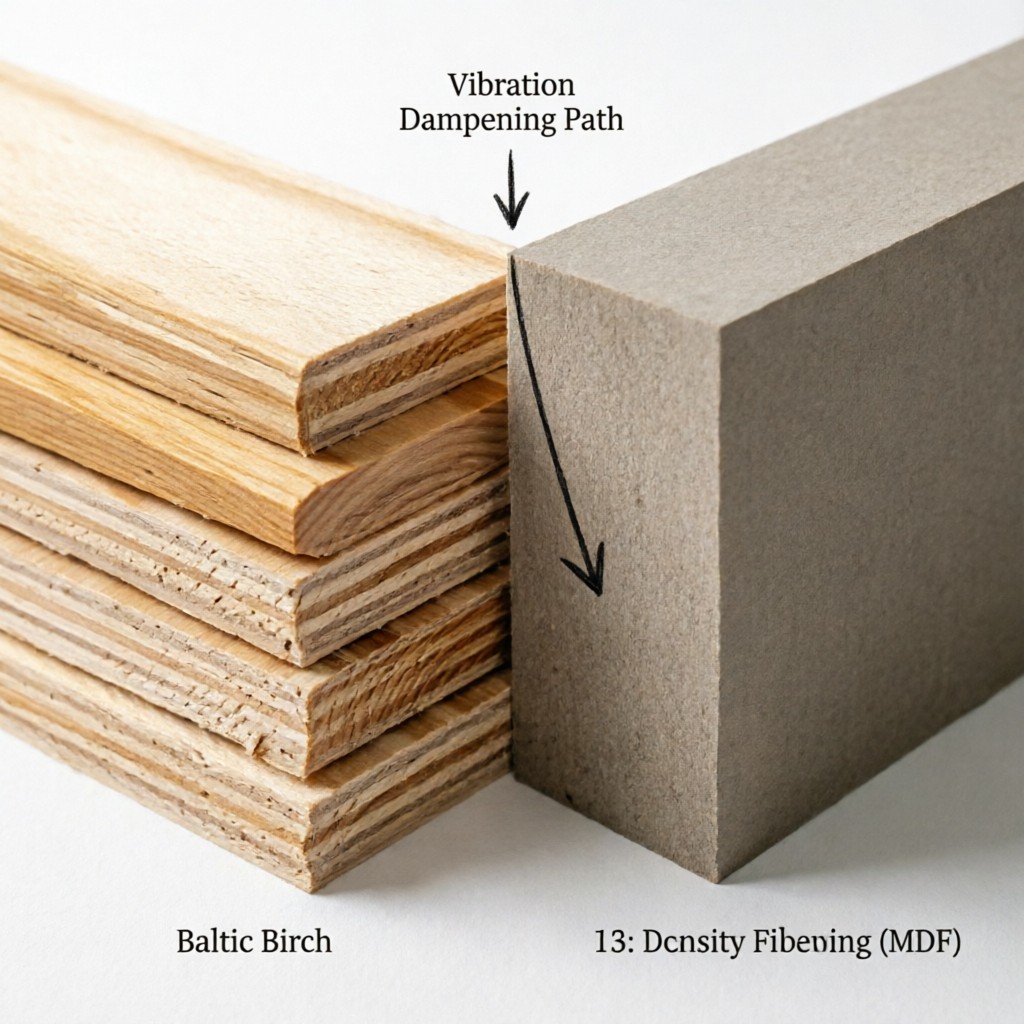
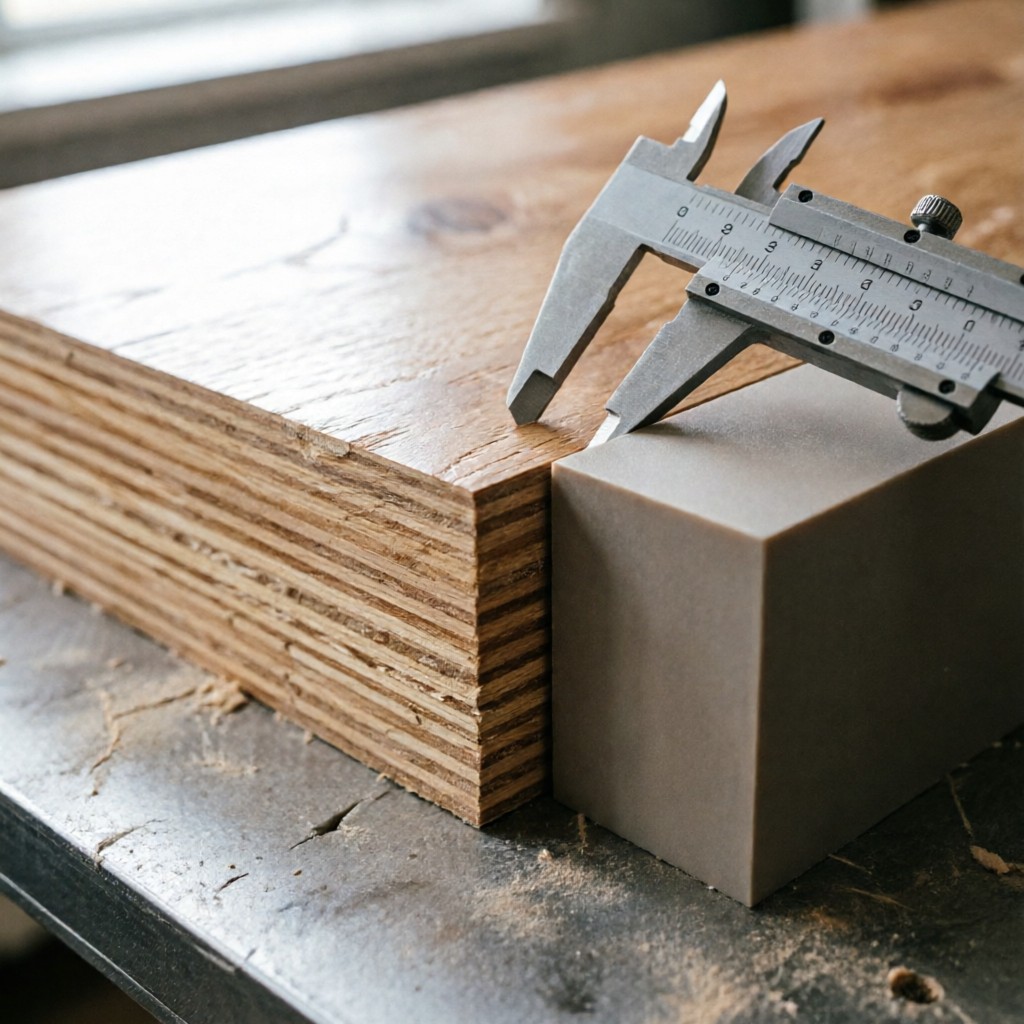 wood and high-density MDF for speaker enclosures” style=”max-width:100%;height:auto;” />
Technical Specifications for Acoustic Grade Materials
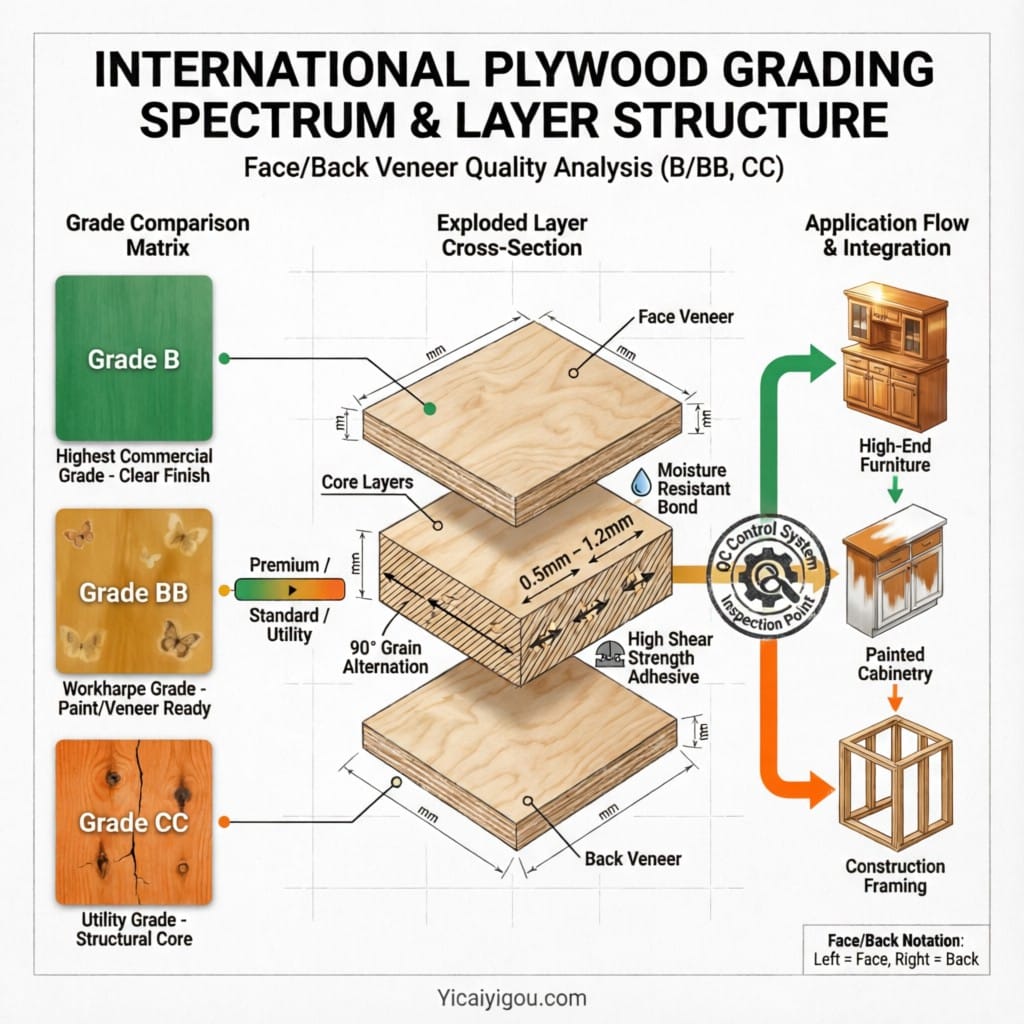
To achieve true acoustic transparency, materials must meet rigorous physical benchmarks. The best plywood for speaker enclosures is not merely lumber; it is a critical damping component. Engineers should prioritize Baltic Birch plywood graded B/BB or better with zero core voids per ANSI/HPVA HP-1 standards. This ensures that screw-holding strength is uniform across all axes, preventing joint failure under the high internal pressure of subwoofer drivers.
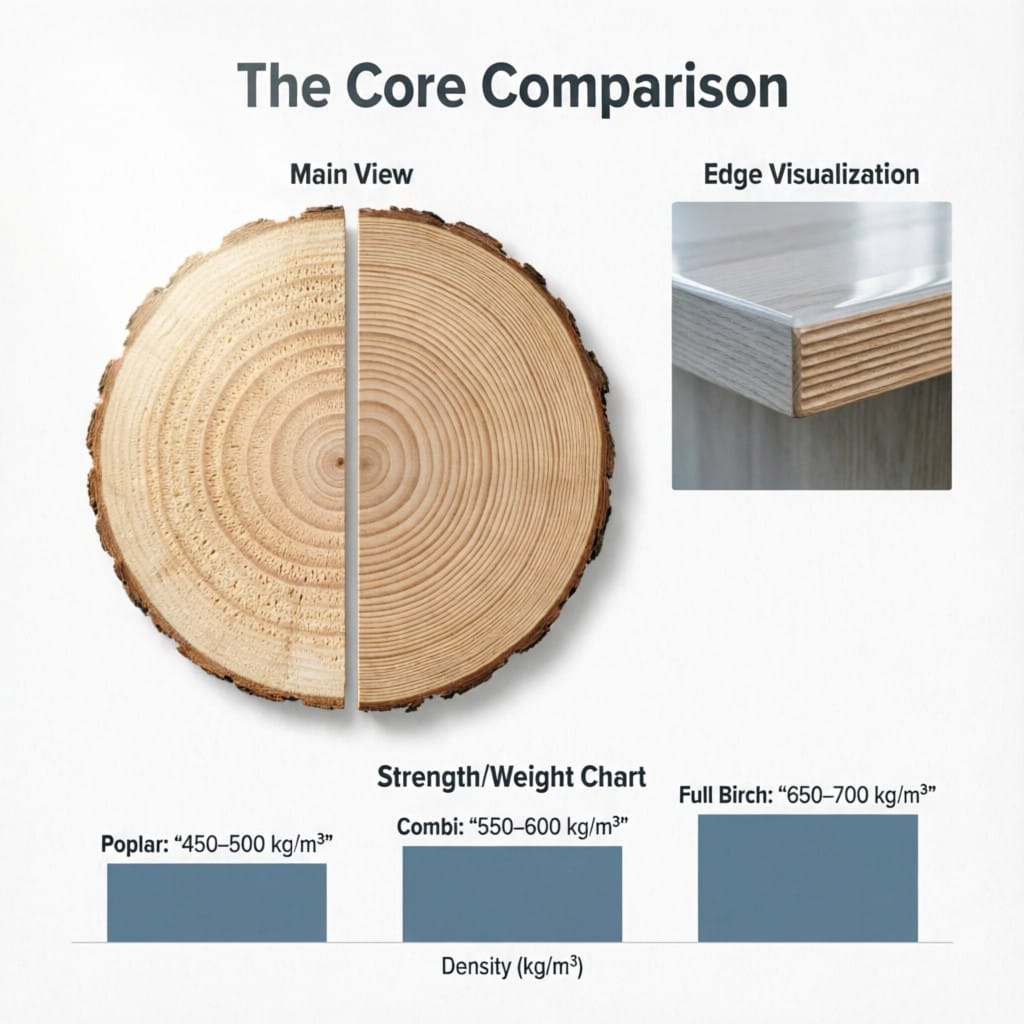
Panel density is equally critical. A minimum density of 42 lbs/ft³ (670 kg/m³) is required to maximize mass and minimize panel vibration. For consistent performance, a 13-ply construction for 18mm thickness is mandatory. This specific layer count ensures balanced stress distribution, preventing the warping that compromises air-tight seals. In contrast, High-Density Particleboard and MDF offer different advantages, with MDF densities ranging from 600-800 kg/m³ and HDF exceeding 800 kg/m³ up to 1,000+ kg/m³, providing alternative solutions for specific damping requirements.
Comparison: Baltic Birch Plywood vs. Precision MDF
The following table compares the two primary materials used in high-end audio manufacturing, focusing on measurable physical properties rather than subjective preferences.
| Specification | Baltic Birch Plywood (B/BB Grade) | Precision MDF (High Density) |
|---|---|---|
| Core Structure | 13-ply solid birch veneers | Homogeneous wood fiber composite |
| Void Content | Zero voids (ANSI/HPVA HP-1) | N/A (Non-layered) |
| Density Range | Min 42 lbs/ft³ (670 kg/m³) | 600-800 kg/m³ |
| Thickness Tolerance | ±0.5mm on 18mm panel | ±0.3mm on 18mm panel |
| Screw Holding Strength | High (mechanical grip in plies) | Moderate (requires pilot holes) |
| Adhesive Type | Phenol-Formaldehyde (Waterproof) | Urea-Formaldehyde (Standard) |
| Formaldehyde Emission | E0 ≤0.07 ppm / CARB P2 | ENF ≤0.05 mg/L / CARB P2 |
| Resonance Frequency | Higher (stiffer panel) | Lower (higher internal damping) |
| Moisture Stability | High (Phenolic resin) | Low (swells if unsealed) |
Both materials have distinct engineering roles. Baltic Birch offers superior structural rigidity and screw retention, making it ideal for complex joinery and high-pressure subwoofer boxes. Precision MDF provides higher internal damping due to its homogeneous structure, which absorbs mid-range frequencies effectively but lacks the mechanical strength for heavy-duty hardware without reinforcement.
Industry Applications and Material Performance
Yicaiyigou supplies Precision MDF and Structural Plywood that meet the stringent demands of global electronics and furniture manufacturers. For a high-end audio manufacturer exporting to the EU, our FSC-certified MDF with ENF ≤0.05 mg/L formaldehyde emissions eliminates compliance risk at customs while providing the necessary mass for acoustic damping. The standard size of 2440x1220mm allows for efficient nesting in CNC machining centers, reducing waste during the production of acoustic grade plywood for cabinets.
In scenarios requiring extreme durability, such as touring speaker systems, our Structural Plywood with consistent 13-ply construction ensures that high density baltic birch speakers maintain their air seal despite rigorous transport conditions. The use of Phenol-Formaldehyde adhesive ensures that these panels resist delamination even in high-humidity environments, a critical factor often overlooked in standard lumber sourcing. With a lead time of 15-25 days and MOQ of 1x20ft container, supply chain managers can plan inventory for large-scale production runs efficiently.
Why Exporters Choose Yicaiyigou for Compliance-Ready Panels
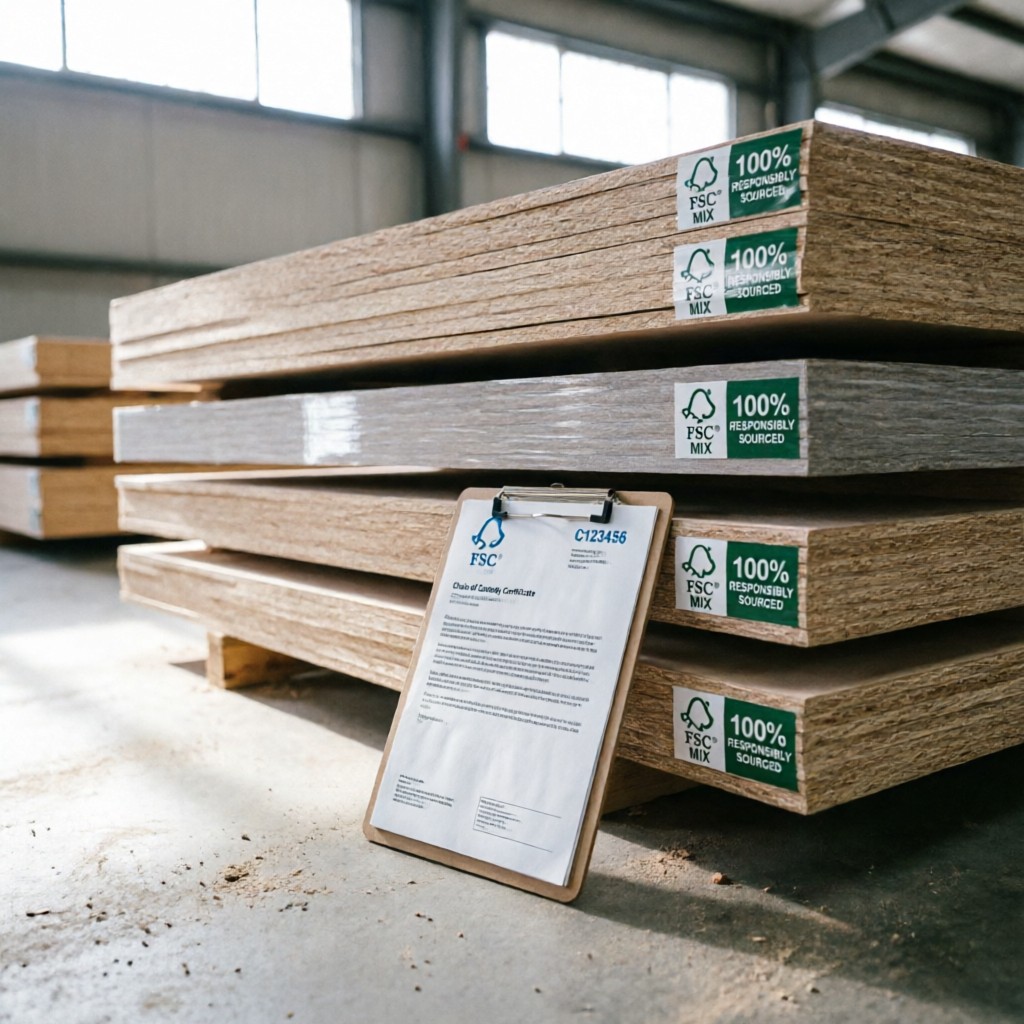
Yicaiyigou positions itself as a strategic partner for buyers who require verifiable compliance and traceability. Our materials are certified under FSC, CARB P2, CE, and meet the strictest formaldehyde standards, including ENF (≤0.05 mg/L) and E0 (≤0.07 ppm). For buyers navigating the new EU Deforestation Regulation (EUDR), effective Dec 30, 2024, our Chain of Custody (CoC) documentation provides the necessary traceability to prove sustainable sourcing origins.
We provide full transparency on material properties, including detailed thickness and density tables. A 20ft container holds 20-25 m³ of product, while a 40ft container holds 45-50 m³, allowing for optimized logistics planning. By requesting a compliant material sample with full CoC documentation, procurement managers can verify the zero-void quality of our Baltic Birch and the uniform density of our MDF before committing to bulk orders. This level of documentation supports Scope 3 emissions reporting by ensuring sustainable forestry practices are maintained throughout the supply chain.
Which One To Choose
Specify Baltic Birch Plywood for high-pressure subwoofer enclosures, complex CNC-machined joints, and applications requiring maximum screw-holding strength and moisture resistance. Specify Precision MDF for mid-range satellite speakers, internal baffles, and applications where high internal damping and smooth surface finishing are prioritized over structural load-bearing capacity.
FAQ
What is the formaldehyde emission limit for ENF certified wood?
ENF (Emission Non-Formaldehyde) standard requires formaldehyde emissions to be ≤0.05 mg/L, which is stricter than E0 (≤0.07 ppm) and CARB P2 (≤0.11 ppm) standards.
How many plies are in 18mm Baltic Birch plywood?
High-quality 18mm Baltic Birch plywood features a consistent 13-ply construction, ensuring uniform density and balanced stress distribution to prevent warping.
What is the minimum density for acoustic grade plywood?
For optimal acoustic performance, panel density should be a minimum of 42 lbs/ft³ (670 kg/m³) to maximize mass and minimize unwanted panel vibration.
Does Yicaiyigou provide Chain of Custody documentation?
Yes, Yicaiyigou provides full Chain of Custody (CoC) documentation for FSC-certified products, ensuring traceability and compliance with regulations like EUDR.
What is the lead time for bulk orders?
The standard lead time for bulk orders is 15-25 days, with a minimum order quantity (MOQ) of one 20ft container holding 20-25 m³ of material.
Summary & Next Steps
Choosing the best plywood for speaker enclosures requires balancing structural rigidity with acoustic damping properties. Baltic Birch offers superior strength and moisture resistance for high-stress applications, while Precision MDF provides excellent internal damping for mid-range clarity. Both materials must meet strict density and emission standards to ensure professional audio performance and regulatory compliance.
Request a compliant material sample with full CoC documentation from Yicaiyigou to verify the zero-void quality and density specifications for your next audio project.
Frequently Asked Questions
Why is selecting the wrong enclosure material considered a critical failure in speaker builds?
Selecting the wrong material introduces cabinet coloration and internal resonance, which turns the enclosure into a secondary sound source. This masks the transient response of high-end drivers, wastes energy meant for air movement on panel vibration, and can permanently degrade driver fidelity, effectively ruining expensive components.
What are the specific technical specifications required for Baltic Birch plywood to be considered acoustic-grade?
Acoustic-grade Baltic Birch must be graded B/BB or better with zero core voids per ANSI/HPVA HP-1 standards. It requires a minimum density of 42 lbs/ft³ (670 kg/m³) and a mandatory 13-ply construction for 18mm thickness to ensure balanced stress distribution and prevent warping that compromises air-tight seals.
How does the adhesive type impact the long-term performance of speaker enclosures?
The adhesive type critically impacts dimensional stability in varying humidity levels. Baltic Birch typically uses Phenol-Formaldehyde, which is waterproof and offers high moisture stability, whereas standard MDF often uses Urea-Formaldehyde. Choosing the wrong adhesive can lead to warping and broken air seals over time.
What are the key differences in physical properties between Baltic Birch Plywood and Precision MDF?
Baltic Birch features a 13-ply solid veneer core with zero voids, higher screw-holding strength, and higher stiffness (higher resonance frequency). In contrast, Precision MDF is a homogeneous wood fiber composite with tighter thickness tolerance (±0.3mm vs ±0.5mm), lower formaldehyde emissions (ENF ≤0.05 mg/L), and higher internal damping (lower resonance frequency).
Why is ply orientation symmetry important in speaker enclosure design?
Ply orientation symmetry is crucial because unbalanced layups cause warping. This warping can break the air seals of the enclosure over time, leading to acoustic leaks and inconsistent sound quality, which is a common oversight in guides that prioritize aesthetic finish over structural consistency.