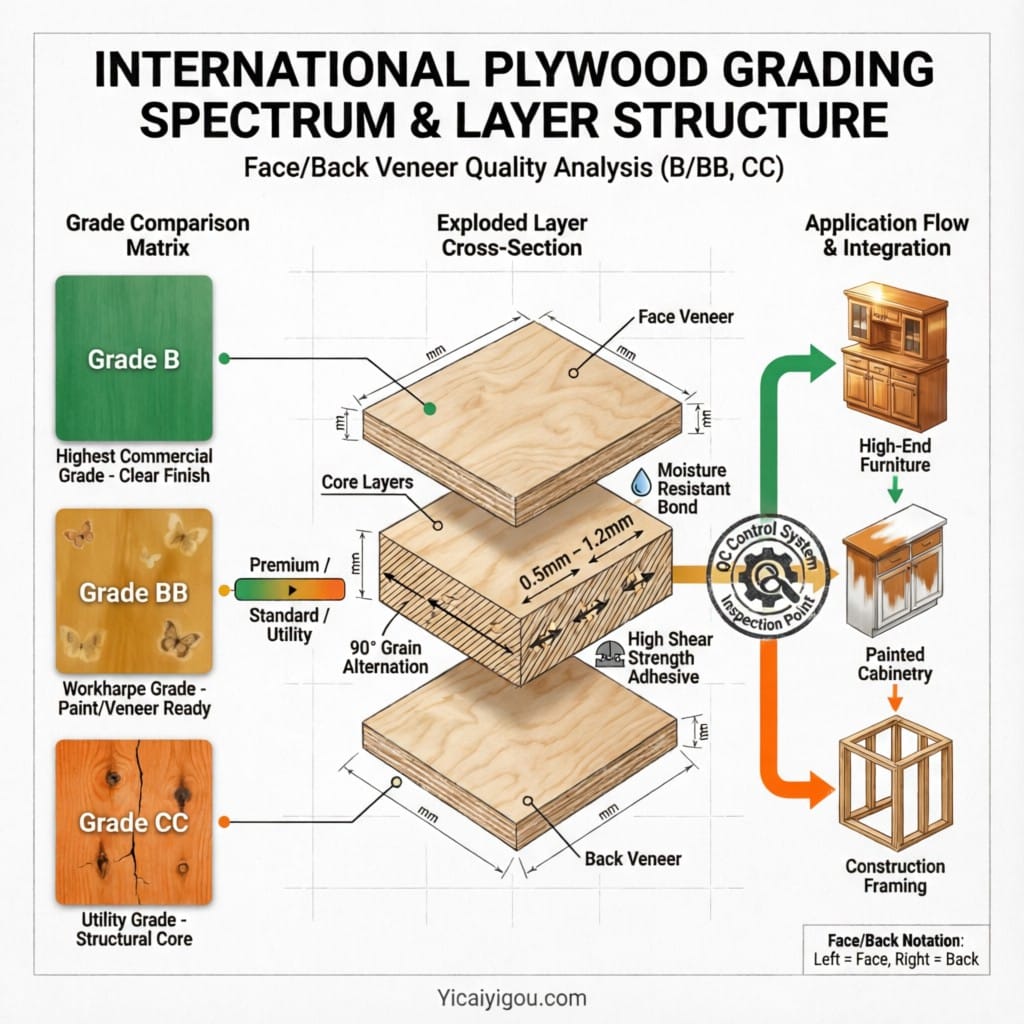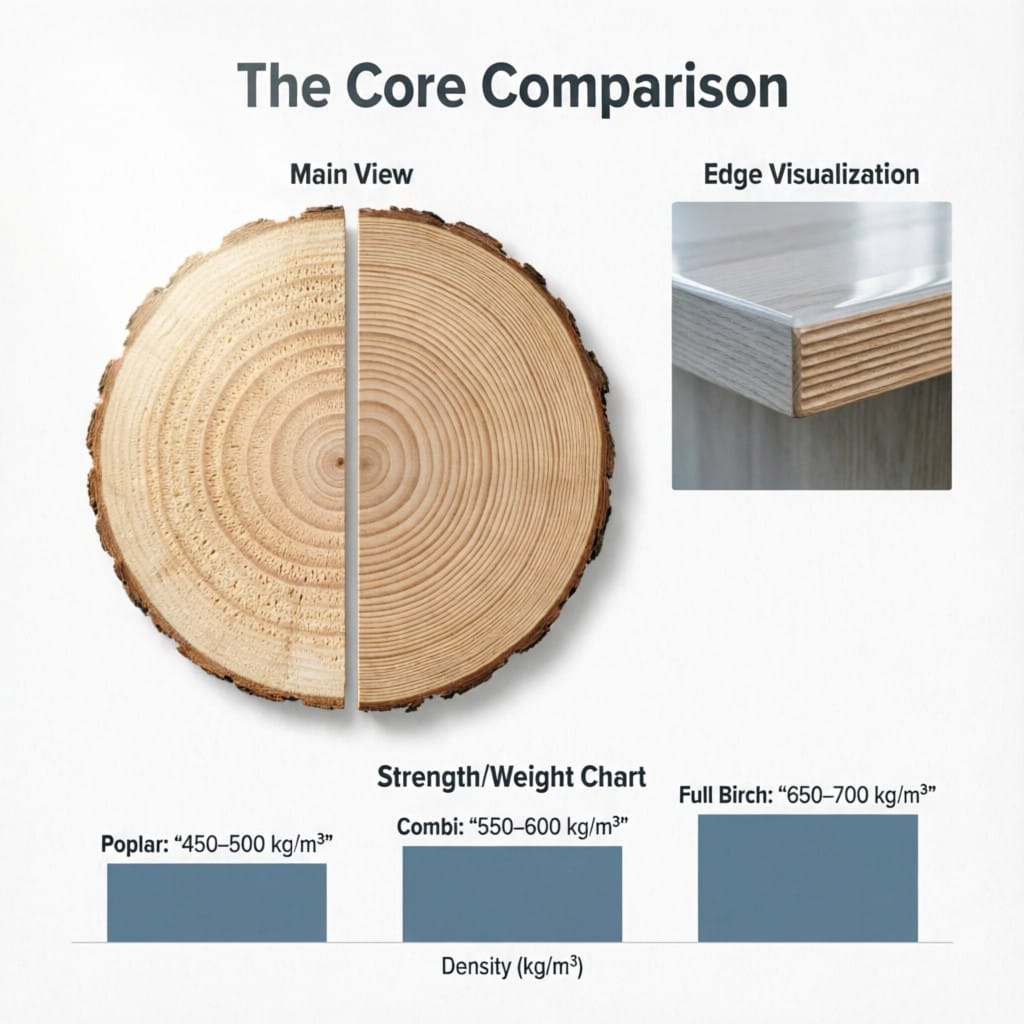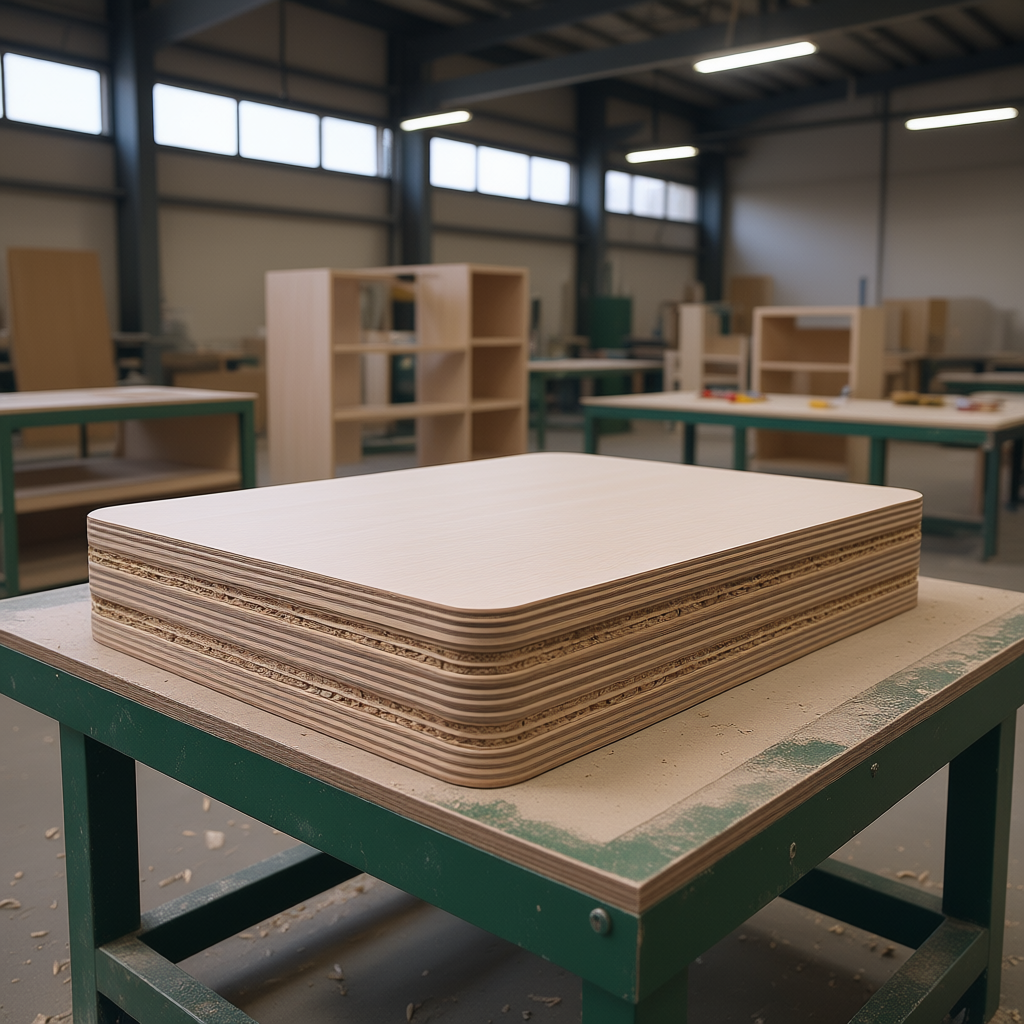
| Standard / Certification | Region / Market | Formaldehyde Limit | Key Requirements & Notes |
|---|---|---|---|
| TSCA Title VI / CARB Phase 2 | United States | ≤ 0.05 ppm | Basic regulatory compliance for composite wood products; mandatory for US market entry. |
| EN 717-1 (Class E1) | European Union | < 0.124 mg/m³ | Stricter air-chamber test method; often required for premium retail channels and indoor air quality safety. |
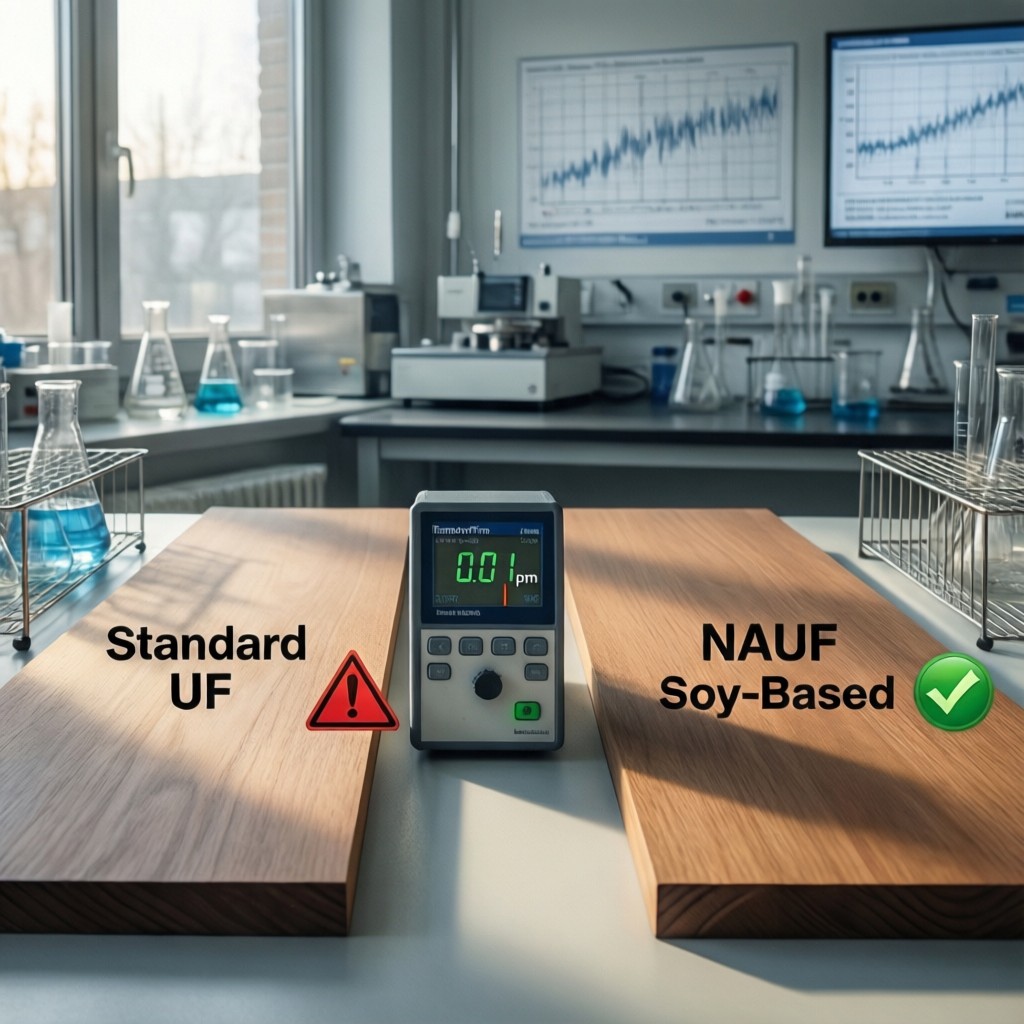
| NAUF (No Added Urea-Formaldehyde) | Global (Premium) | Near-zero emissions | Uses soy-based or MDI binders; baseline expectation for high-end children’s furniture to mitigate health risks. |
| EU Deforestation Regulation (EUDR) | European Union | N/A (Sourcing) | Enforced from Dec 30, 2024; requires verifiable legal sourcing and deforestation-free supply chains in addition to chemical safety. |
Ensuring the safety of children’s furniture requires more than just aesthetic appeal; it demands rigorous adherence to volatile organic compound (VOC) limits that protect developing respiratory systems. This article details the specific adhesive chemistries and formaldehyde emission thresholds necessary for global compliance, helping procurement teams avoid costly recalls. By understanding the distinction between generic TSCA Title VI compliance and stricter EU EN 717-1 standards, manufacturers can secure supply chains that meet the highest international safety benchmarks.
The Hidden Risk in “Compliant” Plywood for Kids’ Rooms
While many suppliers claim their products are safe for indoor use, a critical gap exists between basic regulatory compliance and the stringent requirements of premium retail channels like IKEA or Amazon. Recent industry scrutiny highlights that plywood emitting formaldehyde at levels as low as 0.1 ppm can still trigger sensitivity reactions in children, who breathe at a higher rate per body weight than adults. For brands targeting the European market, the upcoming enforcement of the EU Deforestation Regulation (EUDR) on December 30, 2024, adds another layer of complexity, requiring not just chemical safety but verifiable legal sourcing.
The urgency for precision in material selection has never been higher. A single batch of structural plywood failing to meet CARB Phase 2 limits of ≤0.05 ppm or EN 717-1 Class E1 standards (<0.124 mg/m³) can result in immediate product recalls and long-term brand damage. Procurement managers must move beyond surface-level certifications and demand transparency regarding adhesive systems. Specifically, the shift toward zero-added urea-formaldehyde (NAUF) certification using soy-based or MDI binders is no longer optional for high-end children’s furniture; it is a baseline expectation for risk mitigation.
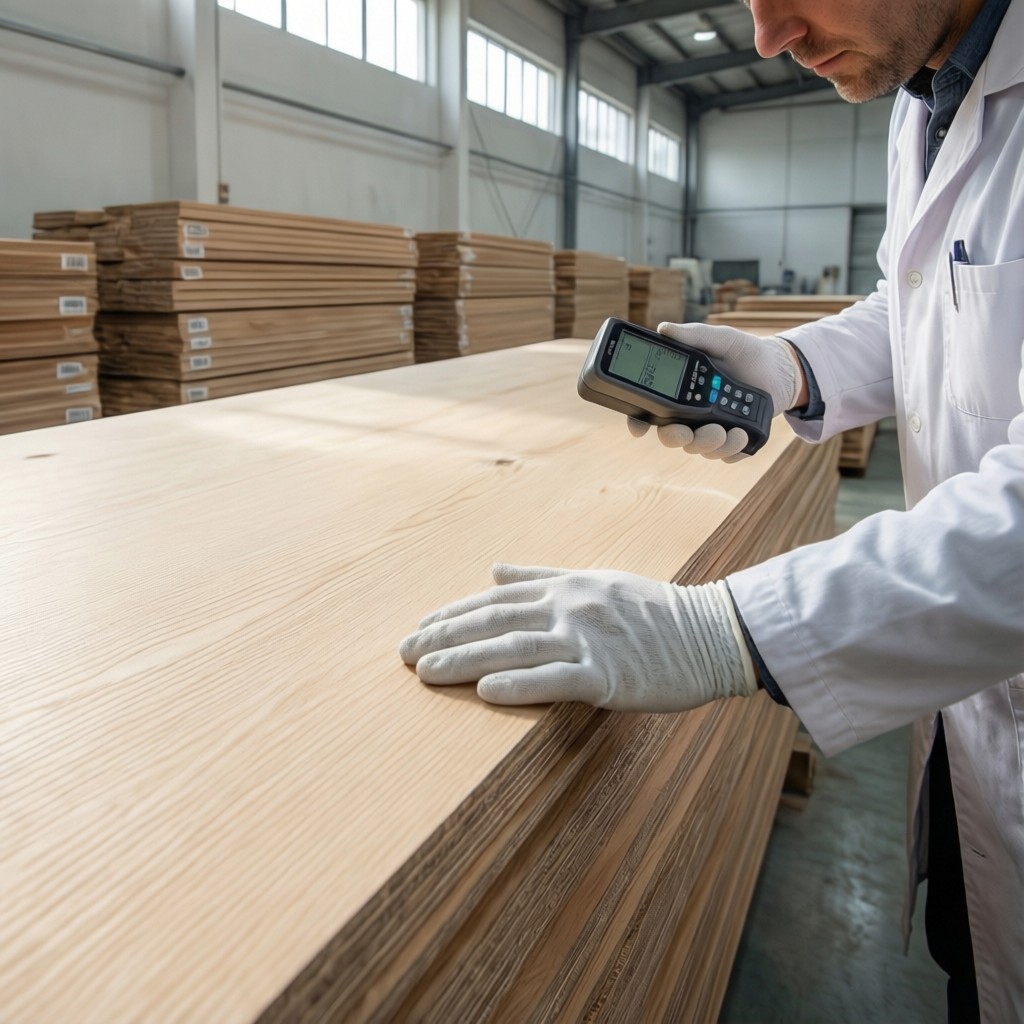
Technical Benchmarks for Non-Toxic Adhesive Systems
To truly guarantee a non-toxic environment, manufacturers must look beyond the final finish and examine the core bonding agents. Most standard plywood uses urea-formaldehyde (UF) resins, which off-gas VOCs over time. In contrast, advanced NAUF solutions utilize polymethylene diphenyl diisocyanate (PMDI) or soy-based adhesives that eliminate this source of emissions entirely. This chemical distinction is vital because surface finishes, even those complying with ASTM F963-17 safety standards for heavy metals and lead content, cannot seal in formaldehyde emitted from the core layers indefinitely.
Buyers often encounter confusion when suppliers provide generic TSCA Title VI documentation without addressing specific export requirements. For the EU market, compliance with EN 717-1 is mandatory, requiring emissions below <0.124 mg/m³. However, leading manufacturers are now aiming for the Japanese JAS F★★★★ standard (≤0.3 mg/L via JIS A 1460 desiccator method) or the Chinese ENF standard (≤0.05 mg/L), which represents the lowest possible emission tier globally. These specifications ensure that the plywood remains safe even in poorly ventilated spaces, such as small bedrooms or playrooms.
| Specification | Standard UF Plywood | NAUF / Soy-Based Plywood |
|---|---|---|
| Adhesive Chemistry | Urea-Formaldehyde (UF) | PMDI or Soy-Protein Based |
| Formaldehyde Emission (CARB P2) | ≤0.11 ppm (Composite) | ≤0.05 ppm (Achieved) |
| EU EN 717-1 Class | E1 (<0.124 mg/m³) | E0 / ENF (<0.05 mg/L) |
| Japan JAS F★★★★ | Often fails | ≤0.3 mg/L (JIS A 1460) |
| NAUF Certification | No | Yes |
| ASTM F963-17 Compliance | Surface Only | Core + Surface |
| Off-Gassing Duration | Years (decreasing) | Negligible/None |
| Moisture Resistance | Moderate | High (PMDI is water-resistant) |
The data above illustrates that while standard UF plywood may meet minimum legal requirements, it lacks the long-term stability and safety profile of NAUF alternatives. The switch to PMDI binders not only eliminates formaldehyde but also enhances moisture resistance, a critical factor for durability in children’s furniture that may face spills or humidity changes.
Real-World Applications: Precision MDF and Structural Plywood
Yicaiyigou addresses these compliance challenges by offering pre-certified, batch-tested NAUF plywood sheets that eliminate third-party testing bottlenecks before assembly. For a furniture maker exporting to the EU, using Yicaiyigou’s FSC-certified MDF with ENF ≤0.05 mg/L ensures immediate compliance with the strictest indoor air quality standards. This proactive approach allows manufacturers to bypass the delays associated with random batch testing at ports of entry, streamlining the supply chain for high-volume orders.
Consider the application of High-Density Particleboard (density >800 kg/m³ up to 1,000+ kg/m³) in school desks. These units require robust structural integrity alongside non-toxic properties. Yicaiyigou’s particle board, available in thicknesses from 3mm to 30mm and standard sizes of 2440x1220mm, provides the necessary load-bearing capacity while maintaining E0 (≤0.07 ppm) emission levels. For a 20ft container holding 20-25 m³ of material, this consistency ensures that every panel meets the same rigorous safety standards, reducing variability in final product quality.
Why Exporters Choose Yicaiyigou for Compliance-Ready Panels
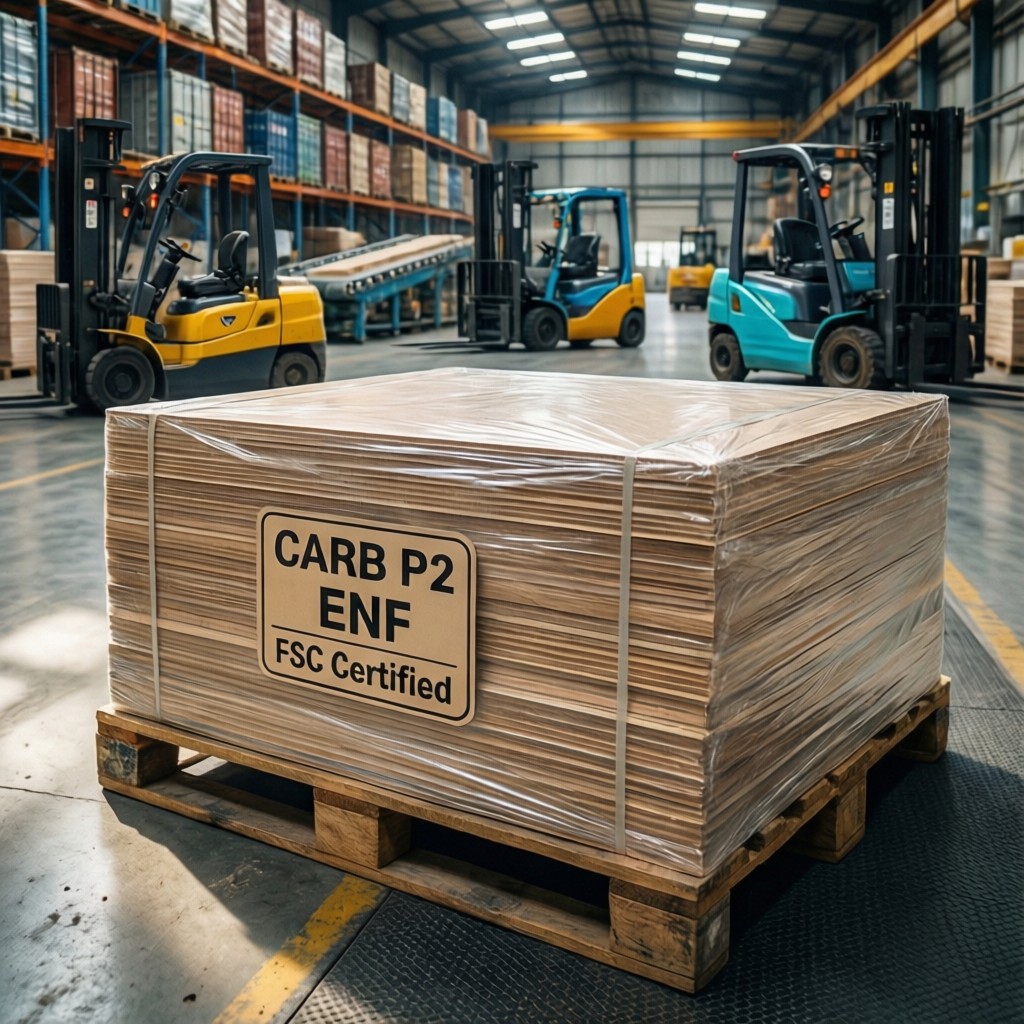
Yicaiyigou positions itself as a compliance partner rather than just a supplier, providing full Chain of Custody (CoC) documentation for every shipment. This traceability is essential for meeting the EUDR requirements effective December 30, 2024, ensuring that all wood products are deforestation-free and legally sourced. With certifications including FSC, CARB P2, CE, and ENF, Yicaiyigou offers a transparent supply chain that supports buyers in achieving their own sustainability and safety goals.
The company’s production capabilities support large-scale procurement with a minimum order quantity (MOQ) of one 20ft container and a lead time of 15-25 days. A 40ft container can hold 45-50 m³ of Precision MDF, Structural Plywood, or High-Density Particleboard, allowing for efficient logistics planning. By requesting a compliant material sample with full CoC documentation, procurement managers can verify the adhesive chemistry and emission levels before committing to bulk orders, ensuring that their children’s furniture lines remain safe, compliant, and competitive.
FAQ
What is the difference between E0 and ENF formaldehyde standards?
E0 standards require formaldehyde emissions to be ≤0.07 ppm, while the stricter ENF standard mandates emissions ≤0.05 mg/L, representing the lowest possible emission tier for wood composites.
Does NAUF plywood cost more than standard UF plywood?
While NAUF plywood may have a slightly higher initial material cost due to specialized soy or PMD I binders, it eliminates the need for extensive third-party VOC testing and reduces recall risks, offering better total cost of ownership.
Can Yicaiyigou provide documentation for EU EUDR compliance?
Yes, Yicaiyigou provides full Chain of Custody (CoC) documentation and FSC certification, which are critical for verifying legal sourcing and deforestation-free status under the EU Deforestation Regulation effective December 30, 2024.
What is the minimum order quantity for custom-sized non-toxic plywood?
The standard MOQ is one 20ft container, which holds approximately 20-25 m³ of material, though custom thicknesses from 3mm to 30mm can be specified within this volume.
How does PMDI adhesive improve moisture resistance in children’s furniture?
PMDI (polymethylene diphenyl diisocyanate) binders are inherently water-resistant, unlike urea-formaldehyde resins, making the plywood more durable against spills and humidity in environments like schools and playrooms.
Summary & Next Steps
Selecting the right plywood for children’s furniture involves balancing strict formaldehyde emission limits with structural performance and supply chain transparency. By prioritizing NAUF-certified materials that meet ENF ≤0.05 mg/L and CARB Phase 2 standards, manufacturers can protect their brand reputation and ensure consumer safety. Yicaiyigou’s commitment to pre-certified, batch-tested panels simplifies this process, offering a reliable path to global compliance.
Request a compliant material sample with full CoC documentation from Yicaiyigou to verify emission levels and adhesive chemistry for your next production run.
Frequently Asked Questions
Why is generic TSCA Title VI compliance often insufficient for premium children’s furniture brands?
Generic TSCA Title VI compliance may not meet the stricter requirements of premium retail channels like IKEA or Amazon, nor does it necessarily address specific export standards such as the EU’s EN 717-1. Relying solely on basic compliance can leave products vulnerable to recalls if they fail to meet lower emission thresholds required by international markets or high-end retailers.
What are the key differences between standard urea-formaldehyde adhesives and NAUF solutions?
Standard plywood typically uses urea-formaldehyde (UF) resins that off-gas volatile organic compounds (VOCs) over years. In contrast, No-Added Urea-Formaldehyde (NAUF) solutions use PMDI or soy-based adhesives that eliminate this emission source entirely, offering negligible off-gassing and better compliance with stringent standards like CARB Phase 2 and ENF.
How do formaldehyde emission thresholds differ between US CARB Phase 2 and EU EN 717-1 standards?
CARB Phase 2 limits formaldehyde emissions to ≤0.05 ppm for certain composites, while the EU EN 717-1 standard requires emissions to be below <0.124 mg/m³ for Class E1 compliance. Manufacturers targeting global markets must understand these distinct measurement methods and thresholds to ensure their products meet both regional regulations.
Why are surface finishes alone inadequate for ensuring the safety of plywood in children’s furniture?
Surface finishes, even those complying with ASTM F963-17 for heavy metals and lead, cannot permanently seal in formaldehyde emitted from the core layers of plywood. Since UF resins in the core off-gas over time, true safety requires using non-toxic adhesive systems like NAUF throughout the entire panel, not just treating the surface.
What additional compliance requirement will impact plywood sourcing for the European market starting December 30, 2024?
The enforcement of the EU Deforestation Regulation (EUDR) will require manufacturers to provide verifiable legal sourcing for their wood products. This adds a layer of complexity beyond chemical safety, demanding transparency in supply chains to prove that the timber was not sourced from deforested areas.