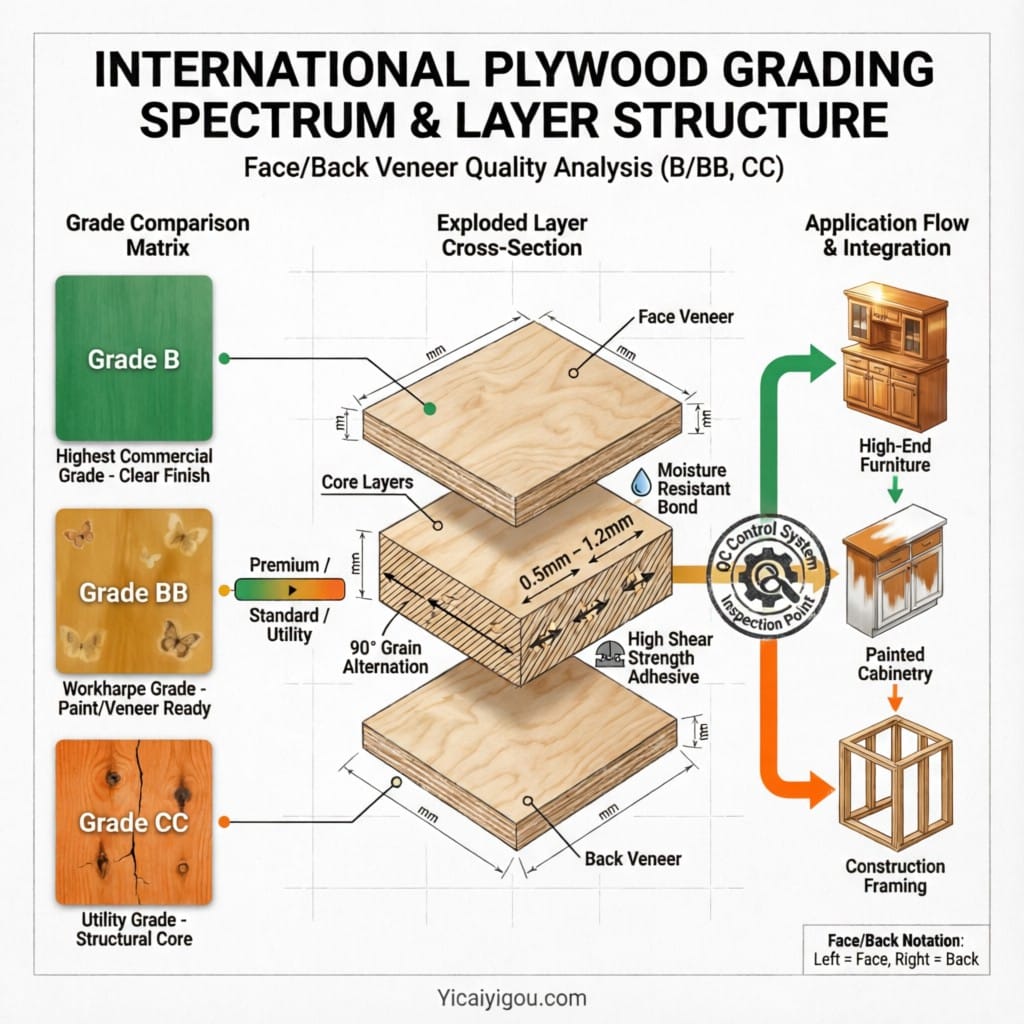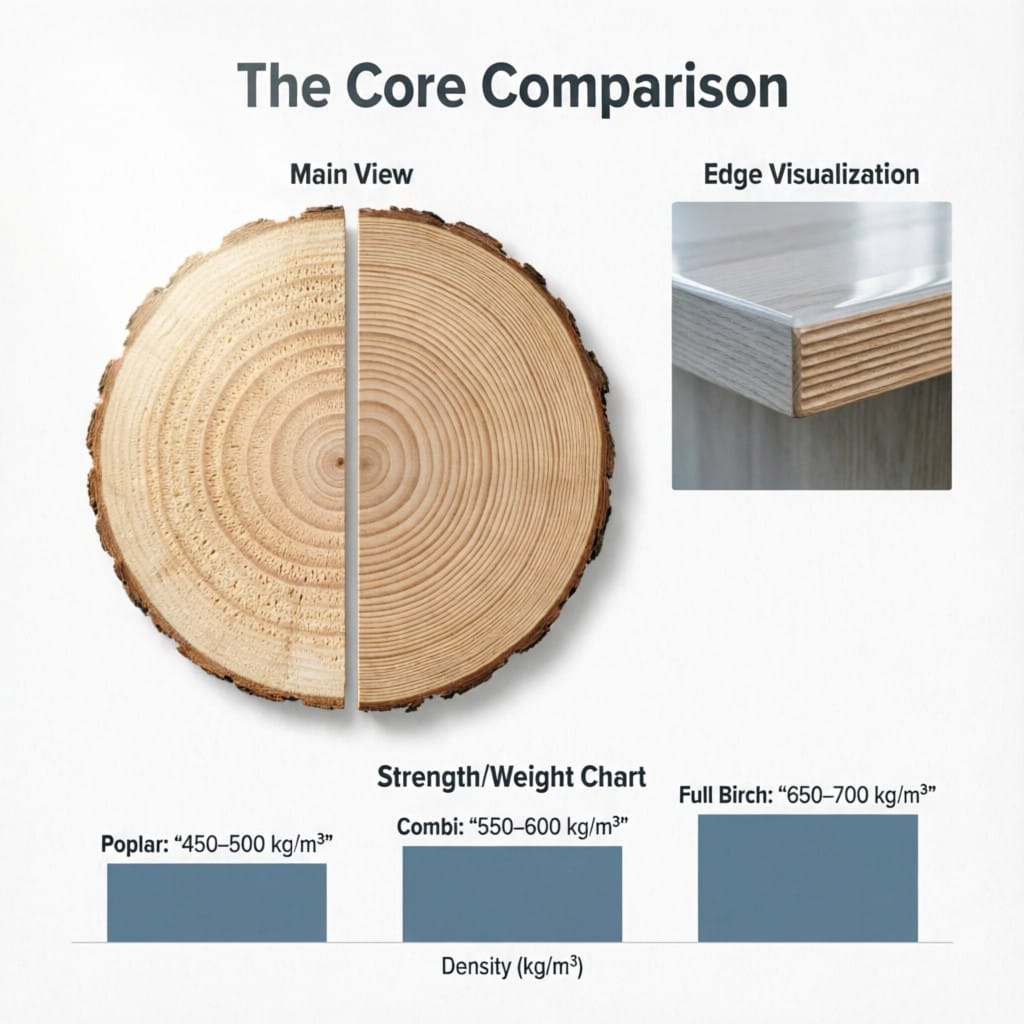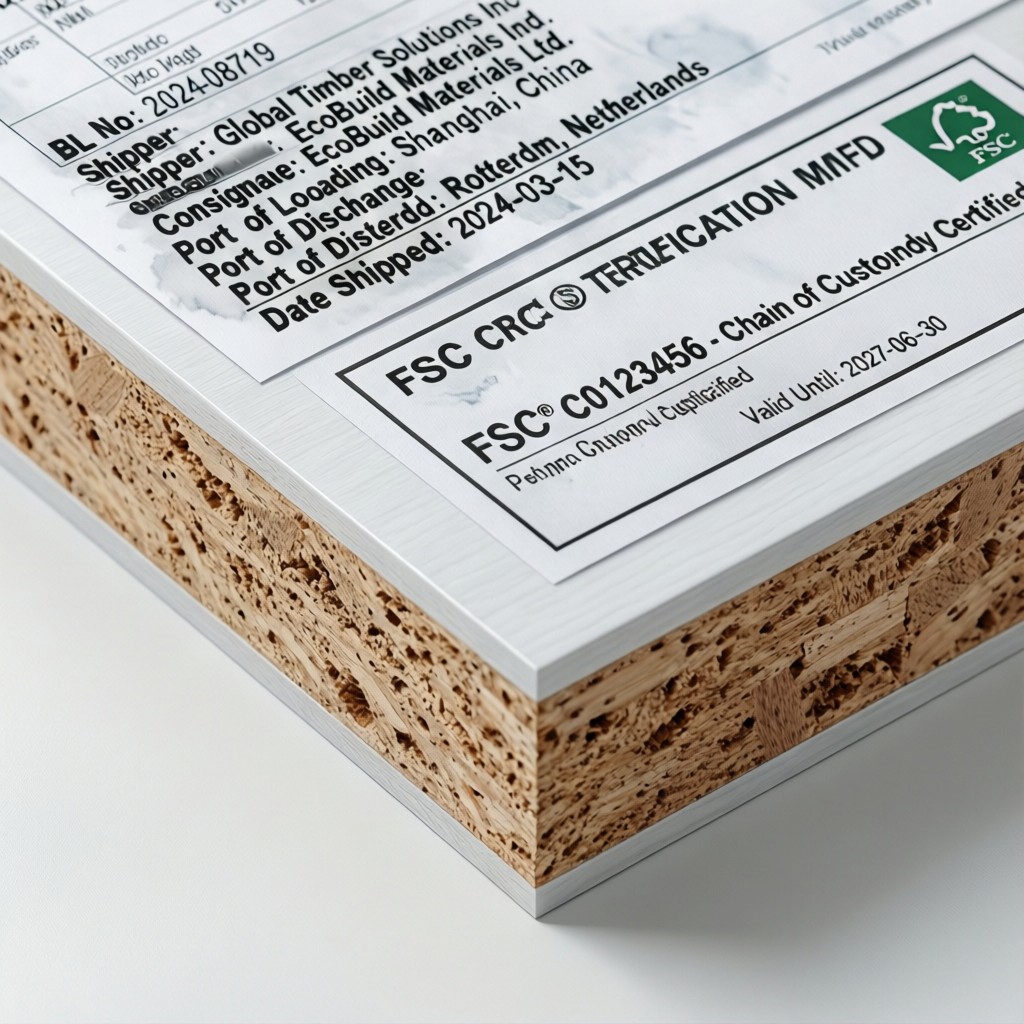
| Payment Method | Financial Risk Profile | Compliance & Documentation Control | Impact on Cash Flow & Production |
|---|---|---|---|
| Upfront Payment (e.g., 30% Advance) | High risk of fund loss if supplier delays shipment or goods fail quality checks (e.g., moisture content); legally complex recovery. | Low leverage; buyer has limited ability to enforce specific phytosanitary or species description accuracy before payment. | Significant disruption; frozen funds delay production schedules for major retailers and disrupt cash flow. |
| Letter of Credit (LC) – Standard | Moderate risk; protects capital but vulnerable to document rejection under ISBP 745 if invoice and Bill of Lading do not align perfectly. | Requires strict adherence to banking standards; minor discrepancies in wood species description can lead to payment refusal. | Potential delays if documents are rejected; requires careful management to avoid weeks-long fund freezes. |
| Letter of Credit (LC) – EUDR Compliant | Low risk; shifts burden to financial instruments, ensuring payment only upon verification of compliant, deforestation-free goods. | High control; explicitly mandates FSC/PEFC chain-of-custody certificates and EUDR due diligence statements as negotiating documents. | Stable; ensures customs clearance and prevents seizures, maintaining consistent supply chains for furniture manufacturers. |
Importing high-value timber products like Precision MDF and Structural Plywood exposes mid-sized buyers to significant financial risk when relying on upfront payments. A single discrepancy in documentation can freeze funds for weeks, disrupting cash flow and delaying production schedules for major retailers. This guide details how to structure secure international trade payments using Letters of Credit (LCs), ensuring your capital is protected while meeting strict compliance standards like EUDR and CARB P2.
The Hidden Cost of Document Discrepancies in Timber Trade
Consider a procurement manager at a furniture manufacturer supplying large-scale distributors. They issue a purchase order for a 40ft container of High-Density Particleboard, valued at $45,000. Without a Letter of Credit, they might pay 30% upfront. If the supplier delays shipment due to raw material shortages or if the goods fail moisture content checks upon arrival, recovering that advance is legally complex and costly. Even with an LC, a common mistake is overlooking specific phytosanitary requirements. If the commercial invoice does not align perfectly with the Bill of Lading regarding wood species description, banks will reject the documents under ISBP 745 standards.
This risk is amplified by the upcoming EU Deforestation Regulation (EUDR), effective December 30, 2024. Buyers must now prove their timber is deforestation-free. An LC that does not explicitly require FSC or PEFC chain-of-custody certificates as mandatory negotiating documents leaves the buyer vulnerable to customs seizures. By understanding how letters of credit work, procurement teams can shift the risk burden back to the financial instruments, ensuring payment is only released when compliant, verified goods are shipped.

Technical Benchmarks for LC Documentation Compliance
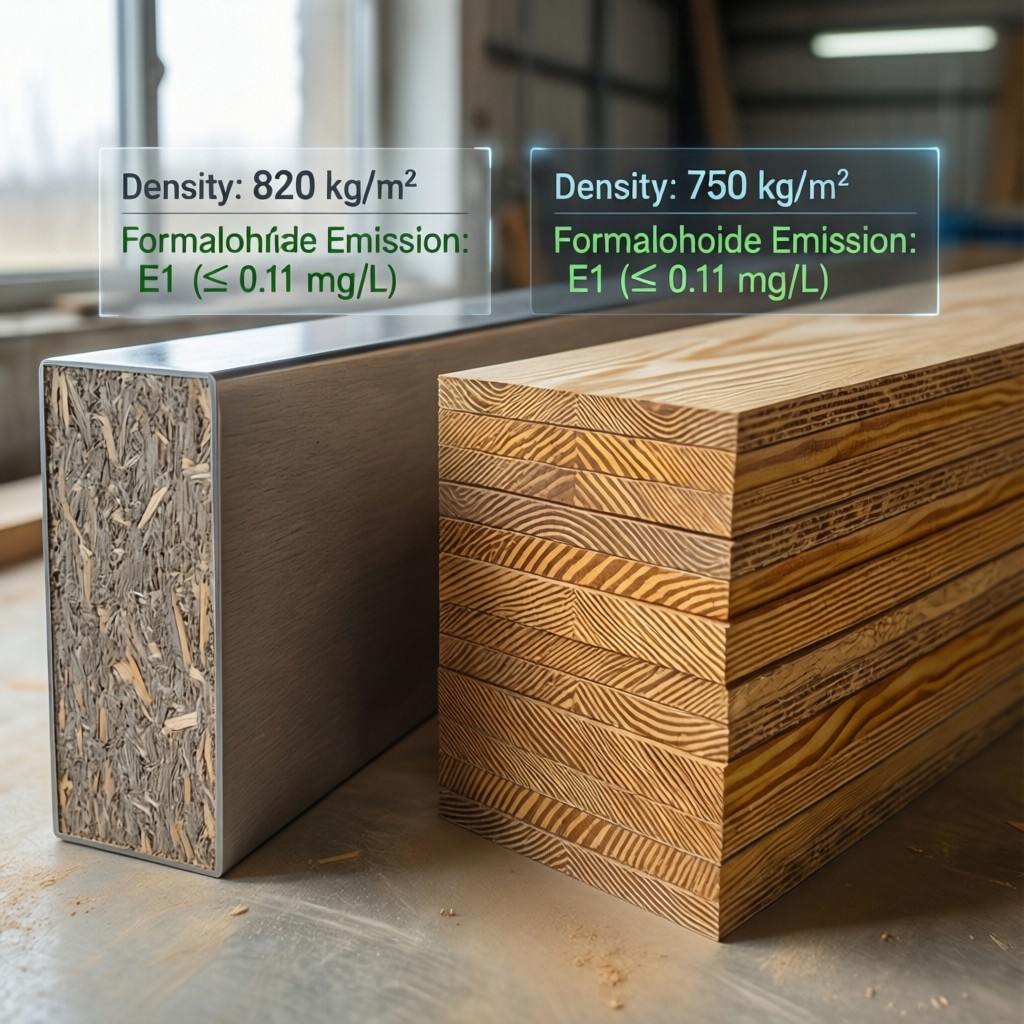
To minimize rejection rates, buyers must embed precise technical specifications into the LC text. Vague descriptions lead to discrepancies. For Yicaiyigou’s product lines, the LC should reference exact density and formaldehyde emission limits. For instance, specifying “MDF density 600-800 kg/m³” and “Formaldehyde emission ≤0.05 mg/L (ENF)” creates a verifiable standard for inspection agencies.
Furthermore, timing is critical. Under UCP 600 Article 5, documents must be presented within 21 days of the shipment date. Failure to adhere to this window allows the issuing bank to refuse payment, regardless of the goods’ quality. Buyers should also account for typical LC issuance fees, which range from 0.75% to 1.5% of the total transaction value. While this adds cost, it is significantly lower than the potential loss from fraud or non-compliant shipments.
| Specification Parameter | Standard LC Requirement | Risk of Omission |
|---|---|---|
| Document Presentation | Within 21 days of shipment (UCP 600 Art. 5) | Bank refusal of payment |
| Wood Description | Specific species and grade per ISBP 745 | Customs clearance delays |
| Sustainability Proof | FSC/PEFC Chain-of-Custody Certificate | EUDR non-compliance seizure |
| Formaldehyde Limit | ENF ≤0.05 mg/L or CARB P2 ≤0.11 ppm | Rejection by end-client (e.g., IKEA) |
| Moisture Content | Max 8-12% variance clause | Warping/delamination claims |
| Issuance Fee | 0.75% – 1.5% of transaction value | Budget overruns if unaccounted |
| Container Load | 45-50 m³ for 40ft HQ | Partial shipment disputes |
| Inspection Timeline | Aligned with phytosanitary cert issuance | Document mismatch penalties |
The table above highlights that an LC is not just a payment tool but a compliance checklist. Each row represents a potential point of failure if not explicitly defined. For example, omitting the formaldehyde limit can result in goods being rejected by clients like Apple or Herman Miller, who enforce strict E0 (≤0.07 ppm) or ENF standards.
Industry Examples with Real Specifications
Yicaiyigou supplies Precision MDF and Structural Plywood to global markets, where LC terms are structured to match technical realities. For a European distributor importing 20ft containers (holding 20-25 m³) of E0-grade MDF, the LC must specify that the Commercial Invoice includes the exact batch number linked to the FSC Chain of Custody certificate. This ensures traceability from the forest to the factory floor.
In another scenario, a US-based cabinet maker orders High-Density Particleboard (density >800 kg/m³). The LC includes a clause requiring a third-party inspection report confirming moisture content is between 8-12%. This prevents the common issue of boards swelling during ocean transit. By aligning the LC with these physical specs, the buyer ensures that the 15-25 day lead time results in usable inventory, not waste.
Why Exporters Choose Yicaiyigou for Compliance-Ready Panels
Yicaiyigou positions itself as a partner that proactively structures LC terms to align with timber inspection timelines and phytosanitary certification processes. This approach reduces document discrepancy rates below 5%, a critical metric for smooth transactions. We provide full Chain of Custody (CoC) documentation for FSC-certified products, ensuring that every panel of Precision MDF or Structural Plywood meets the rigorous demands of the EUDR.
Our manufacturing capabilities support high-volume orders with consistent quality. Our MDF ranges from 600-800 kg/m³, while our HDF exceeds 800 kg/m³, up to 1,000+ kg/m³ for heavy-duty applications. With thicknesses from 3mm to 30mm and standard sizes of 2440x1220mm, we offer the flexibility needed for diverse projects. By integrating CARB P2 (≤0.11 ppm) and ENF (≤0.05 mg/L) certifications into our standard export documentation, we simplify the LC negotiation process for buyers.
FAQ
What is the maximum tolerance for moisture content in LC clauses?
Most LCs for timber specify a moisture content range of 8-12% to prevent warping; exceeding this variance can trigger a document discrepancy.
How do LC amendments handle port congestion delays?
Buyers should include a “force majeure” clause allowing for automatic LC extension if port congestion delays shipment beyond the original validity period.
Is an FSC certificate mandatory for all LC transactions?
While not legally required for all countries, it is increasingly mandatory for EU imports under EUDR and should be listed as a required negotiating document.
What are the typical fees for issuing a Letter of Credit?
Banks typically charge between 0.75% and 1.5% of the total transaction value for LC issuance, depending on the buyer’s credit rating.
How long do suppliers have to present documents under UCP 600?
Documents must be presented to the bank within 21 days of the shipment date, as mandated by UCP 600 Article 5.
Summary & Next Steps
Securing your timber supply chain requires more than just finding a reliable supplier; it demands precise financial instruments. By embedding specific technical data—such as ENF ≤0.05 mg/L formaldehyde limits and FSC Chain of Custody requirements—into your Letter of Credit, you protect your cash flow and ensure regulatory compliance. Yicaiyigou’s proactive approach to LC structuring minimizes discrepancies and accelerates clearance.
Request a compliant material sample with full CoC documentation from Yicaiyigou to verify our adherence to CARB P2 and EUDR standards before finalizing your next LC.
Frequently Asked Questions
Why are upfront payments considered risky for mid-sized buyers importing high-value timber products?
Upfront payments expose buyers to significant financial risk because a single discrepancy in documentation can freeze funds for weeks, disrupting cash flow and delaying production. Additionally, if goods fail quality checks or shipments are delayed, recovering the advance payment is legally complex and costly.
How does the EU Deforestation Regulation (EUDR) impact Letter of Credit requirements for timber imports?
Effective December 30, 2024, the EUDR requires buyers to prove their timber is deforestation-free. To comply, Letters of Credit must explicitly require FSC or PEFC chain-of-custody certificates as mandatory negotiating documents; otherwise, buyers face the risk of customs seizures.
What are the consequences of document discrepancies under ISBP 745 standards in timber trade?
If documents such as the commercial invoice do not align perfectly with the Bill of Lading regarding details like wood species description, banks will reject the documents under ISBP 745 standards. This leads to payment refusal, customs clearance delays, and potential financial losses.
What specific technical specifications should be included in an LC to minimize rejection rates for MDF products?
To minimize rejections, the LC should reference exact density and formaldehyde emission limits, such as ‘MDF density 600-800 kg/m³’ and ‘Formaldehyde emission ≤0.05 mg/L (ENF).’ These precise metrics create verifiable standards for inspection agencies and prevent vague descriptions that lead to discrepancies.
What is the time limit for presenting documents under UCP 600 Article 5, and what happens if it is missed?
Under UCP 600 Article 5, documents must be presented within 21 days of the shipment date. Failure to adhere to this window allows the issuing bank to refuse payment, regardless of the actual quality of the goods shipped.