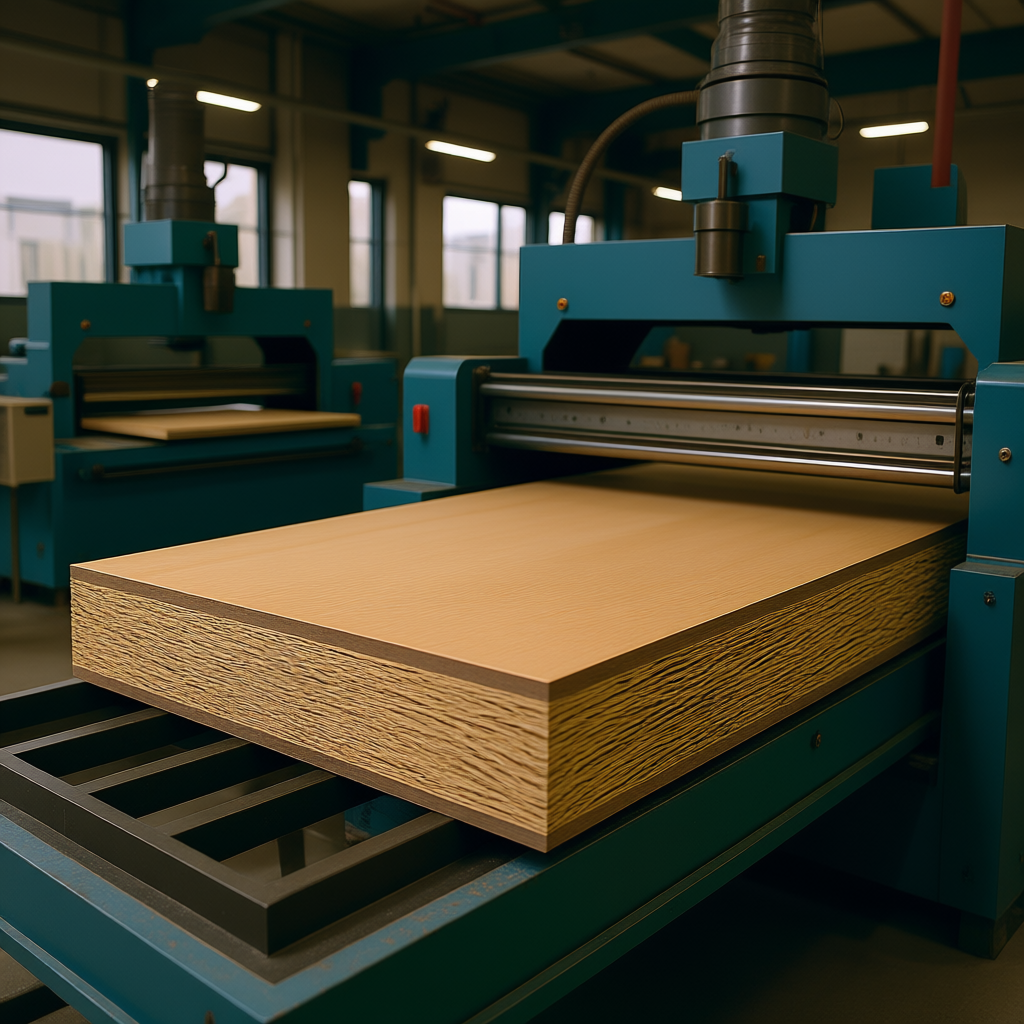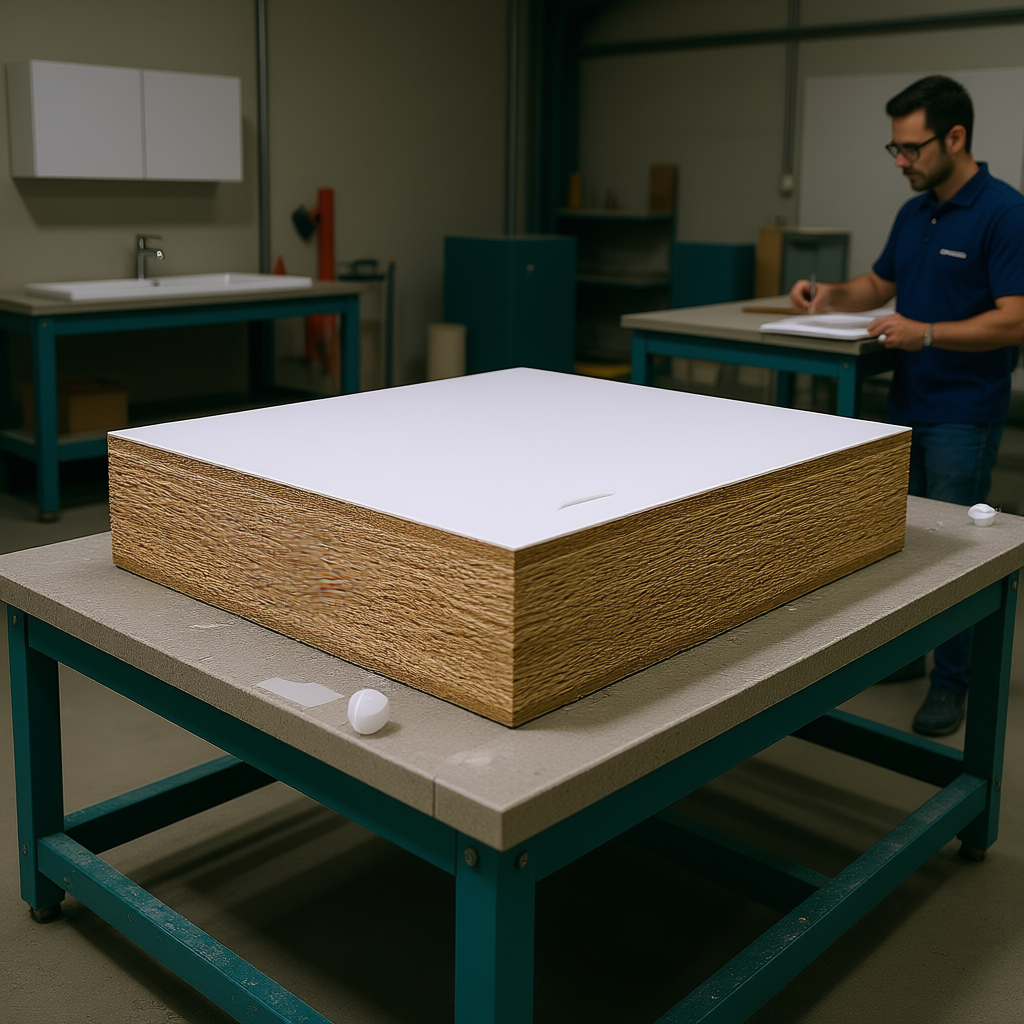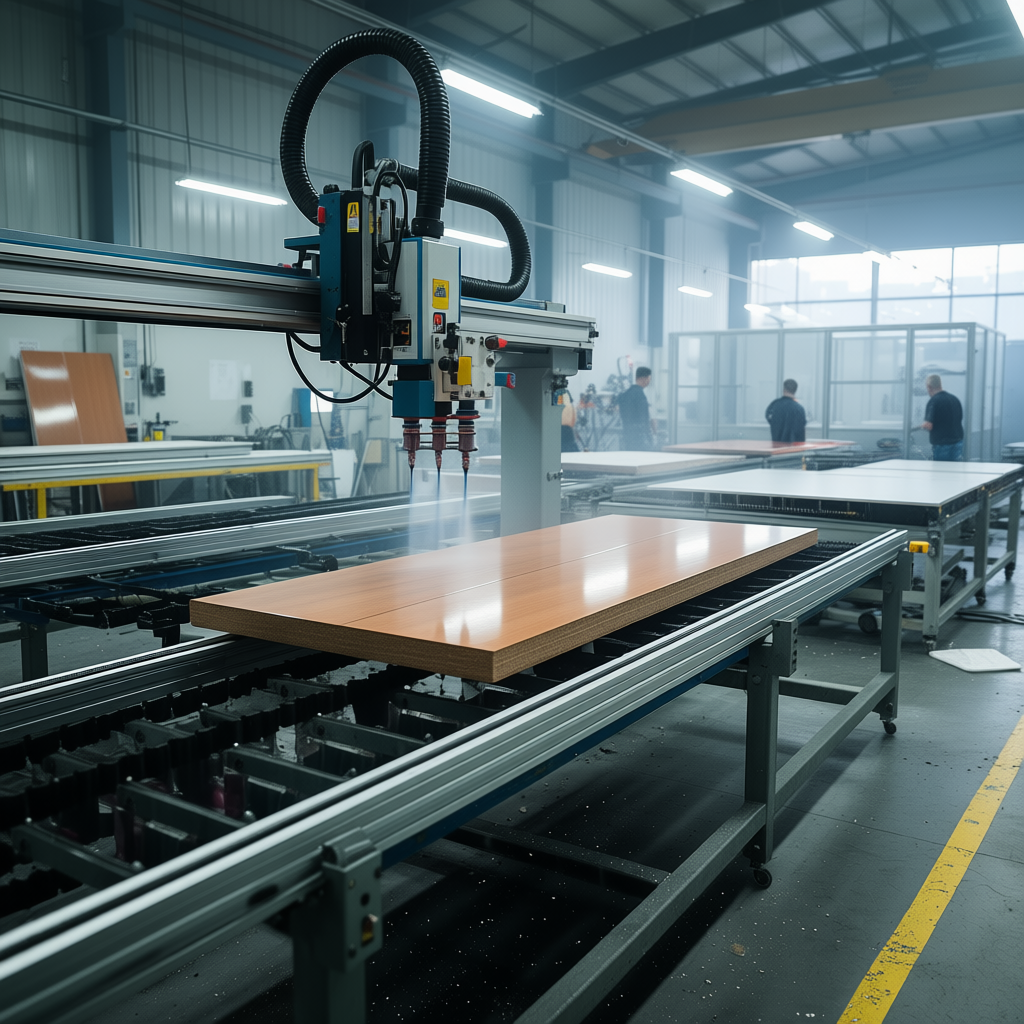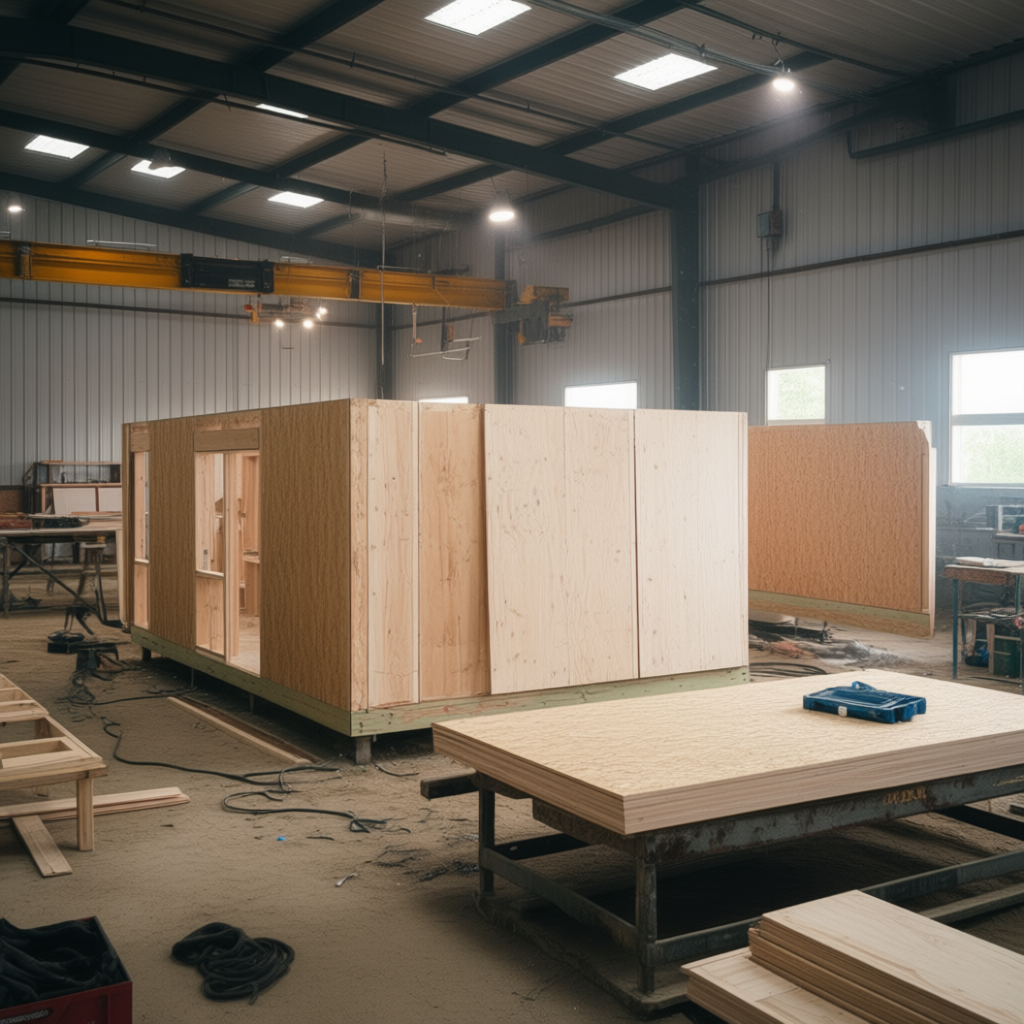
Structural Plywood for Prefabricated Tiny Home Walls - realistic industrial scene with engineered wood products

Structural Plywood for Prefabricated Tiny Home Walls

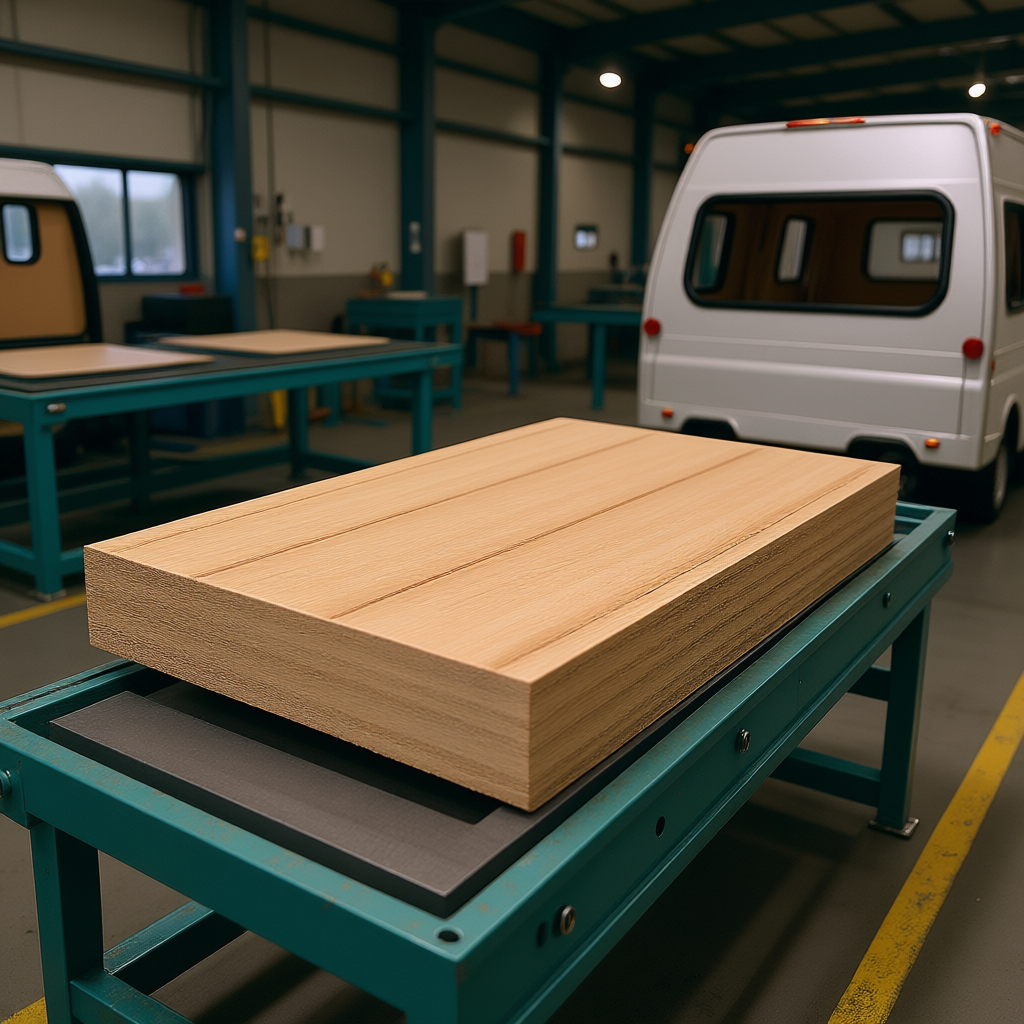
Specification Category Standard Interior Plywood Structural Plywood for Tiny Home Walls Primary Use Case Static indoor applications (cabinets, furniture) Dynamic logistics asset & load-bearing shear wall Glue Bond Type Interior-grade (Urea-formaldehyde) Exterior/Weather-resistant (Phenol-resorcinol or MDI) to prevent delamination Transit Stress Resistance Low; prone to failure under high-vibration transport High; engineered to withstand harmonic vibration and […]

Structural Plywood for Prefabricated Tiny Home Walls Read More »
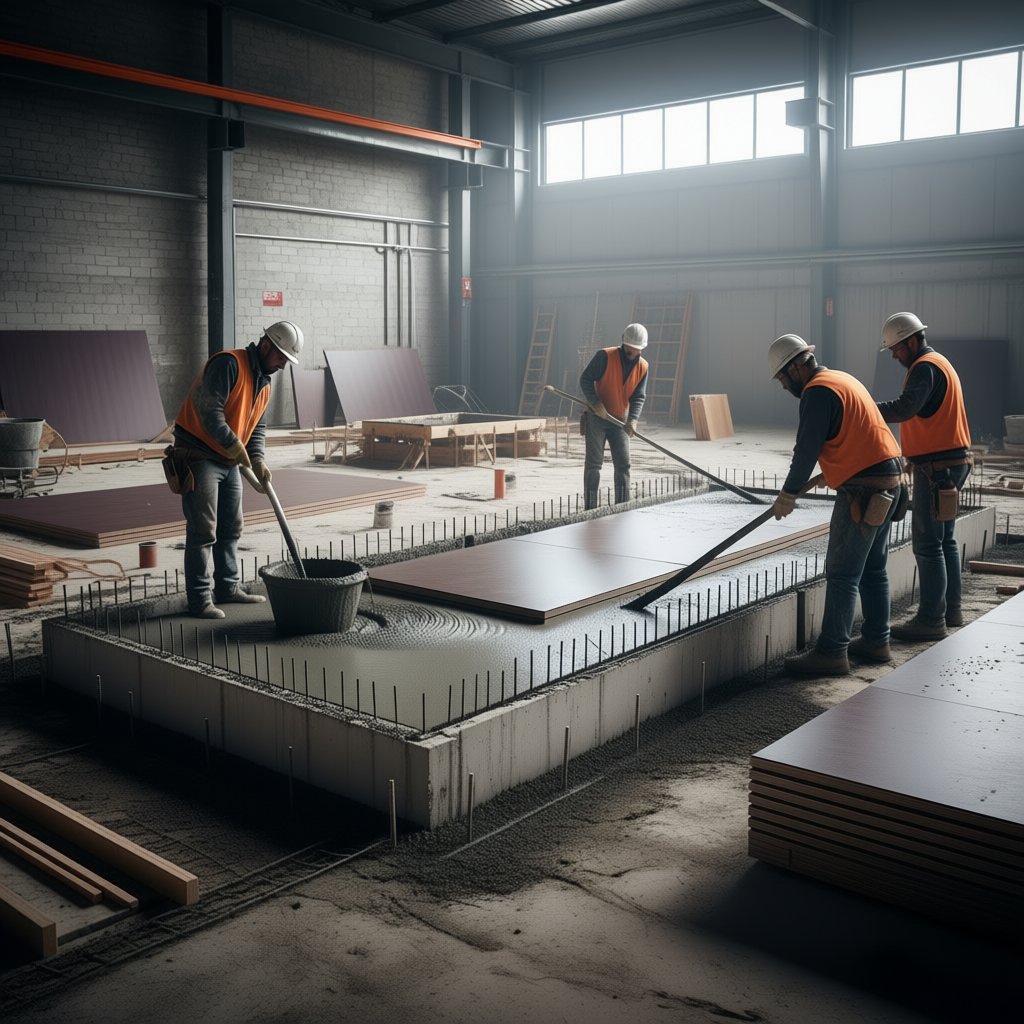
Plywood Grades for Concrete Shuttering - realistic industrial scene with engineered wood products

Plywood Grades for Concrete Shuttering: A Pro Comparison

Feature Standard Commercial Grade Plywood High-Performance Phenolic Film-Faced Plywood Primary Classification Disposable Consumable Reusable Capital Asset Typical Reuse Cycles 1–2 pours before failure Multiple pours (high-cycle durability) Moisture Resistance Low; prone to core swelling and water ingress High; engineered to resist wet load conditions Structural Integrity High risk of warping and surface delamination Maintains flatness

Plywood Grades for Concrete Shuttering: A Pro Comparison Read More »

Innovations in Soy-Based Adhesives - realistic industrial scene with engineered wood products

Innovations in Soy-Based Adhesives

Feature Traditional Soy-Based Adhesives Next-Gen Soy-Protein Cross-Linking Agents Regulatory Status Often NAUF, but variable bio-content verification NAUF & ASTM D6866 Compliant (EUDR Ready) Hot-Press Dwell Time Extended cycles required for curing Optimized for standard line speeds Line Throughput Impact Reduces throughput by up to 20% Maintains manufacturing efficiency Internal Bond Strength Variable; often below optimal

Innovations in Soy-Based Adhesives Read More »

Waterproof Solutions for Bathroom Vanity Manufacturing - realistic industrial scene with engineered wood products

Waterproof Solutions for Bathroom Vanity Manufacturing

Material/Feature Standard MDF Core Engineered Low-Swell Core Hygroscopic Expansion Rate High (Rapid swelling upon moisture contact) Low (Minimal dimensional change in humidity) Adhesive Bond Integrity Compromised by internal pressure from swelling Maintained due to stable core density Primary Failure Mode Edge swelling and delamination Structural stability preserved Warranty Claim Rate 15-20% Negligible (Post-installation failure eliminated)

Waterproof Solutions for Bathroom Vanity Manufacturing Read More »

How to Select Boards for High-Gloss Paint Applications - realistic industrial scene with engineered wood products

How to Select Boards for High-Gloss Paint Applications

Specification Category Standard Substrate Premium High-Gloss Substrate Impact on Finish Quality Moisture Content Stability 8% – 12% (Variable) 6% – 8% (Strictly Controlled) Prevents swelling/shrinking that causes micro-fractures and delamination in rigid gloss coatings. Surface Density Consistency Moderate variation across board High uniformity; minimal density gradients Eliminates “telegraphing” of internal inconsistencies through the cured paint

How to Select Boards for High-Gloss Paint Applications Read More »

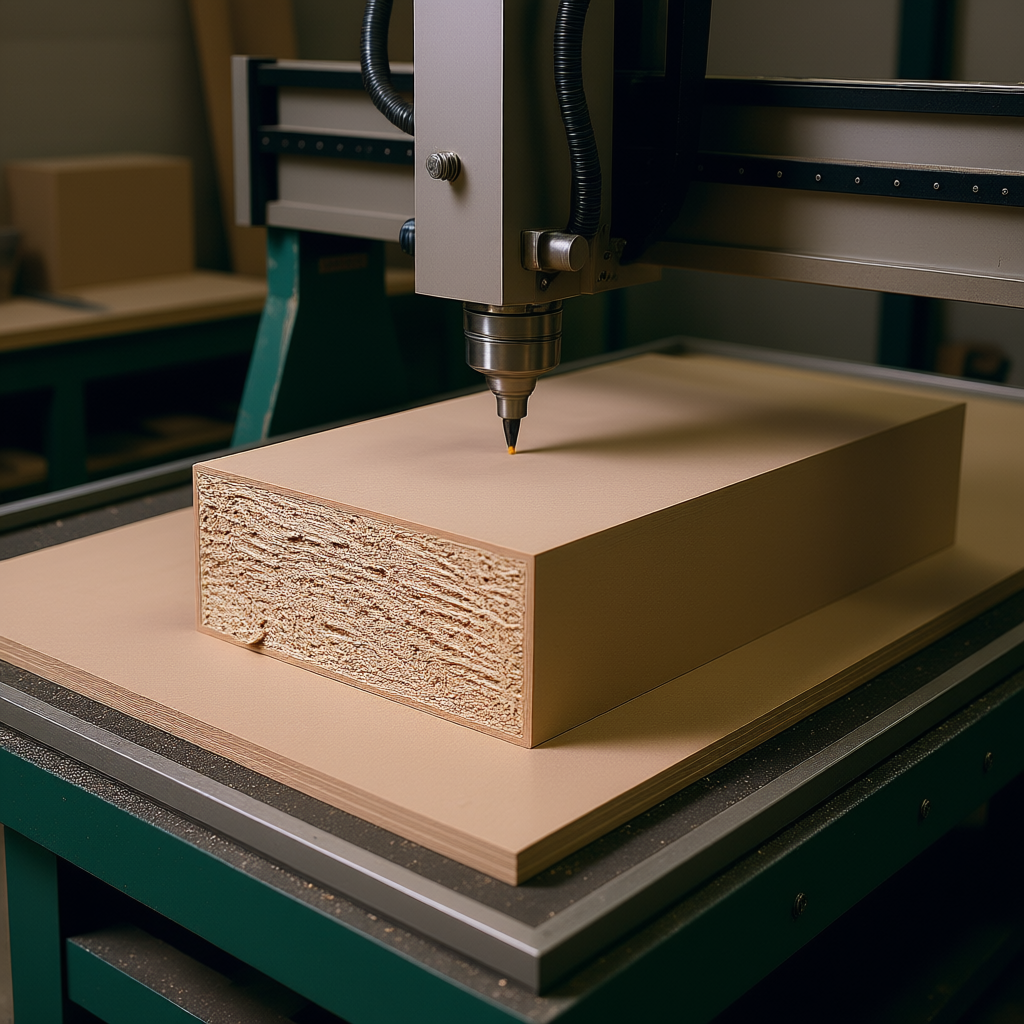
Using MDF for Intricate CNC Router Projects - realistic industrial scene with engineered wood products

Using MDF for Intricate CNC Router Projects

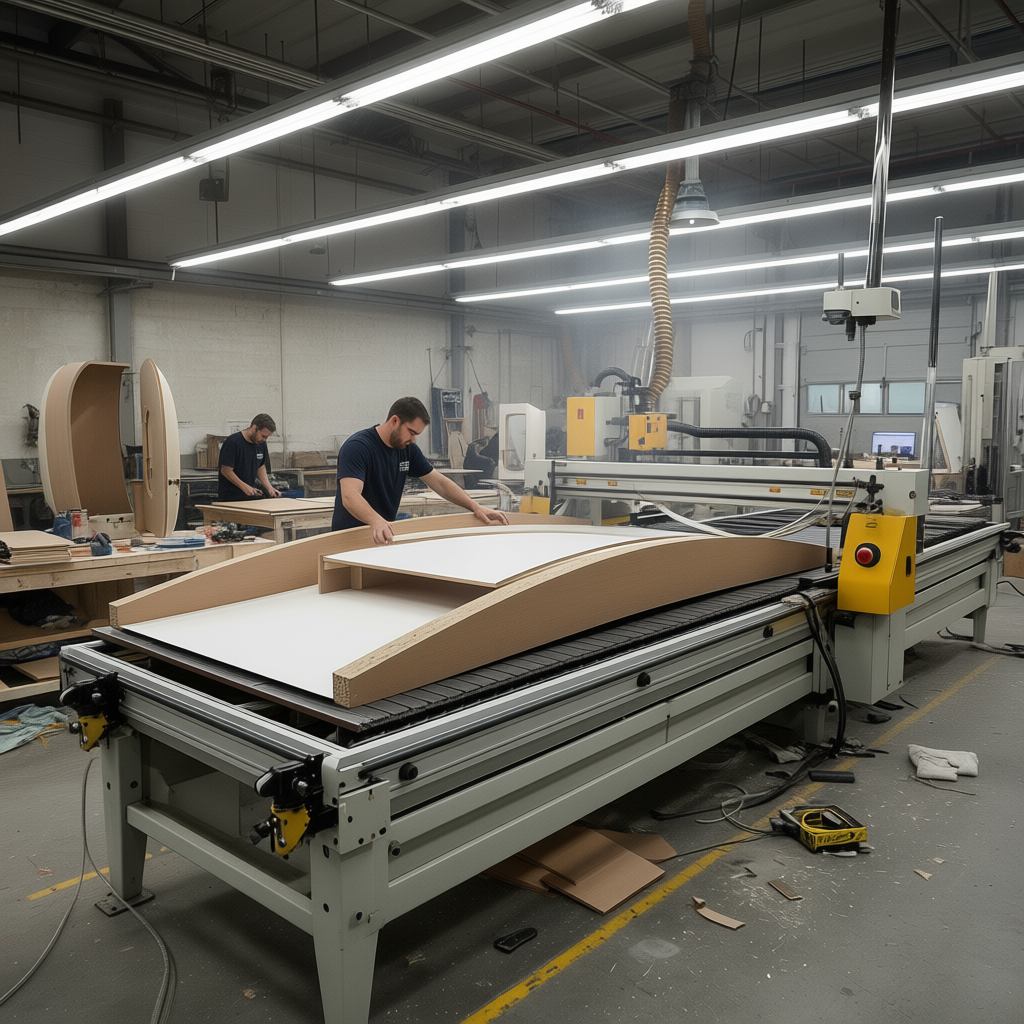
Material Attribute Standard MDF Supply Precision CNC-Grade MDF Impact on High-Volume Machining Core Density Consistency Variable; prone to internal voids and soft spots Uniform distribution; tightly controlled tolerance Prevents unexpected tool deflection and reduces scrap rates caused by inconsistent cutting resistance. Resin Distribution Inconsistent pockets creating varying hardness levels Homogeneous dispersion throughout the substrate Ensures

Using MDF for Intricate CNC Router Projects Read More »

Lightweight Panels: Innovations for RV and Campervan - realistic industrial scene with engineered wood products

Lightweight Panels: Innovations for RV and Campervan Interiors

Feature Traditional 12mm Birch Plywood Advanced Engineered Wood Composites Density High (Standard hardwood density) < 0.45 g/cm³ Impact on Payload & Fuel Efficiency Significant erosion of capacity Minimized weight penalty Total Interior Build Weight Baseline (Heavy) Reduced by 15-20% Structural Integrity High durability Maintained structural integrity Screw-Holding Strength Excellent Comparable/Verified performance Aesthetic Finish Quality Standard

Lightweight Panels: Innovations for RV and Campervan Interiors Read More »

Best Plywood for DIY High-End Speaker Enclosures - realistic industrial scene with engineered wood products

Best Plywood for DIY High-End Speaker Enclosures

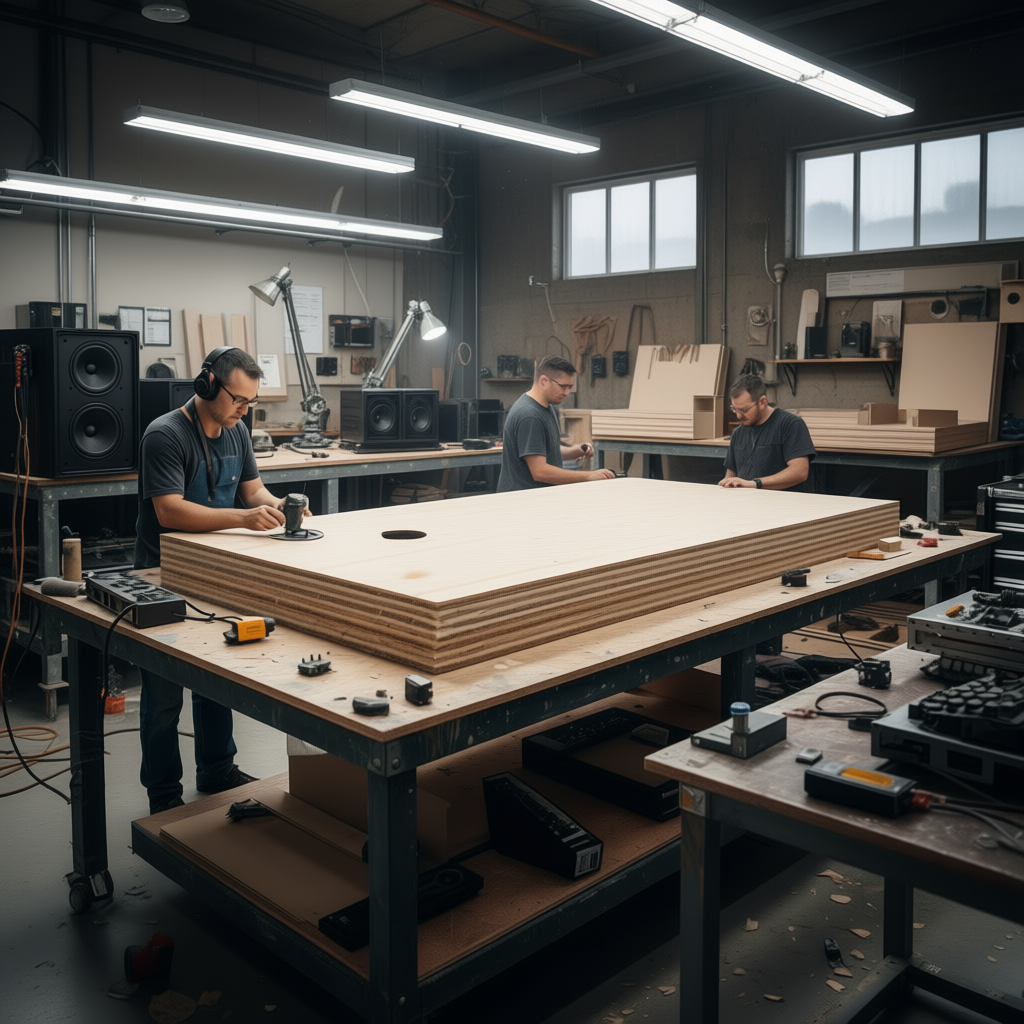
Feature High-Density Baltic Birch Precision MDF Core Consistency Zero voids; solid birch plies throughout Uniform fiber density; no internal voids Internal Resonance Low resonance due to high density and cross-banded layers Very low resonance; excellent damping characteristics Structural Integrity High strength-to-weight ratio; resistant to warping if symmetrical Heavy and rigid; prone to sagging in large

Best Plywood for DIY High-End Speaker Enclosures Read More »

Why Particleboard is Ideal for Closet Organizers - realistic industrial scene with engineered wood products

Why Particleboard is Ideal for Closet Organizers

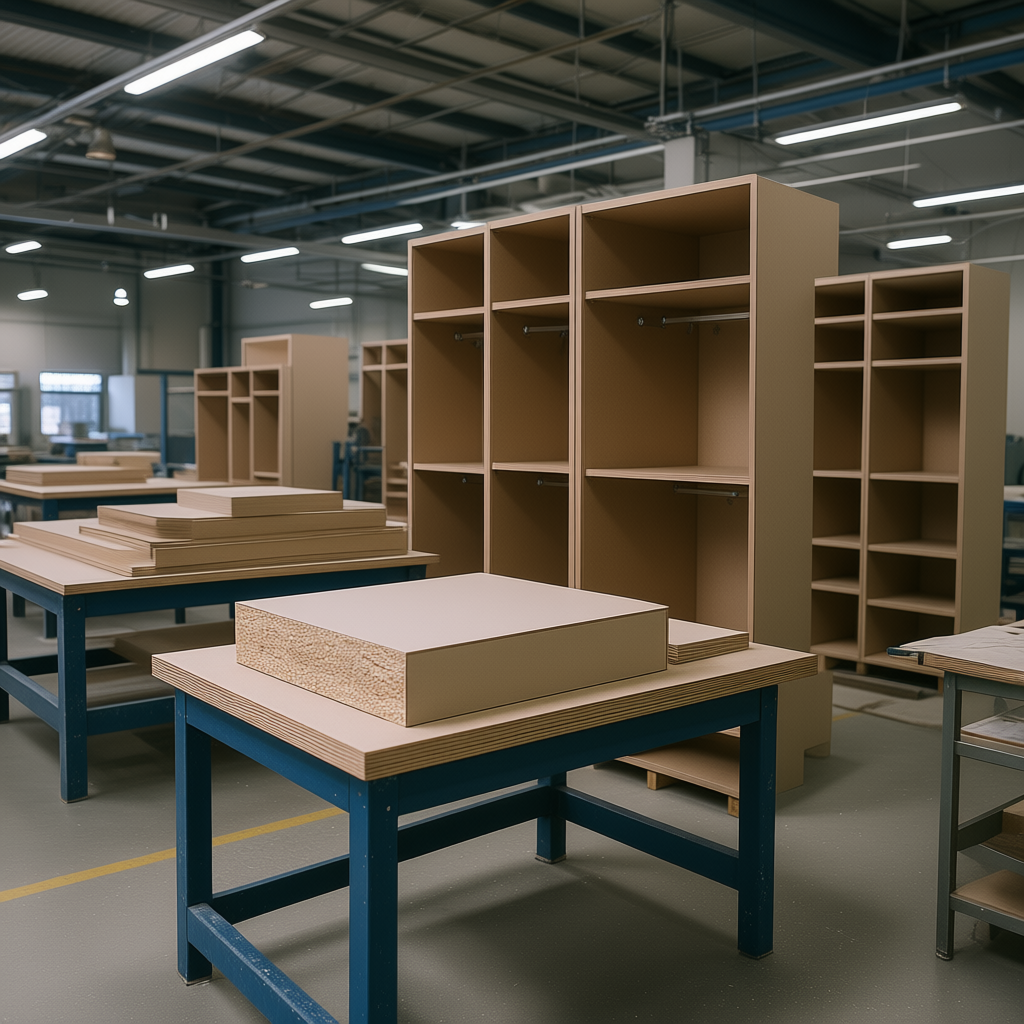
Feature High-Density Particleboard Cabinet-Grade Plywood Solid Hardwood Relative Material Cost Low (Baseline) ~40% Higher Significantly Higher Internal Structure Homogenous / Uniform Layered with Grain Variance Natural Grain & Knots CNC Machining Yield High (Minimal Rejection) Moderate (Knot/Grain Issues) Variable (High Scrap Rate) Dimensional Stability High Moderate to High Low (Prone to Warping) Primary Financial Impact

Why Particleboard is Ideal for Closet Organizers Read More »

Choosing the Right Core for Curved Cabinet Doors - realistic industrial scene with engineered wood products

Choosing the Right Core for Curved Cabinet Doors

Core Material Minimum Bend Radius Structural Integrity Risk Adhesive Specification EUDR Compliance Status Precision MDF > 150mm High risk of internal fiber fracture at tight radii Urea-Formaldehyde (Standard) Requires full traceability documentation Structural Plywood > 75mm Low risk; layered structure absorbs stress Phenol-Formaldehyde (Water-resistant) Subject to strict deforestation verification Bendable HDF > 50mm Moderate risk

Choosing the Right Core for Curved Cabinet Doors Read More »