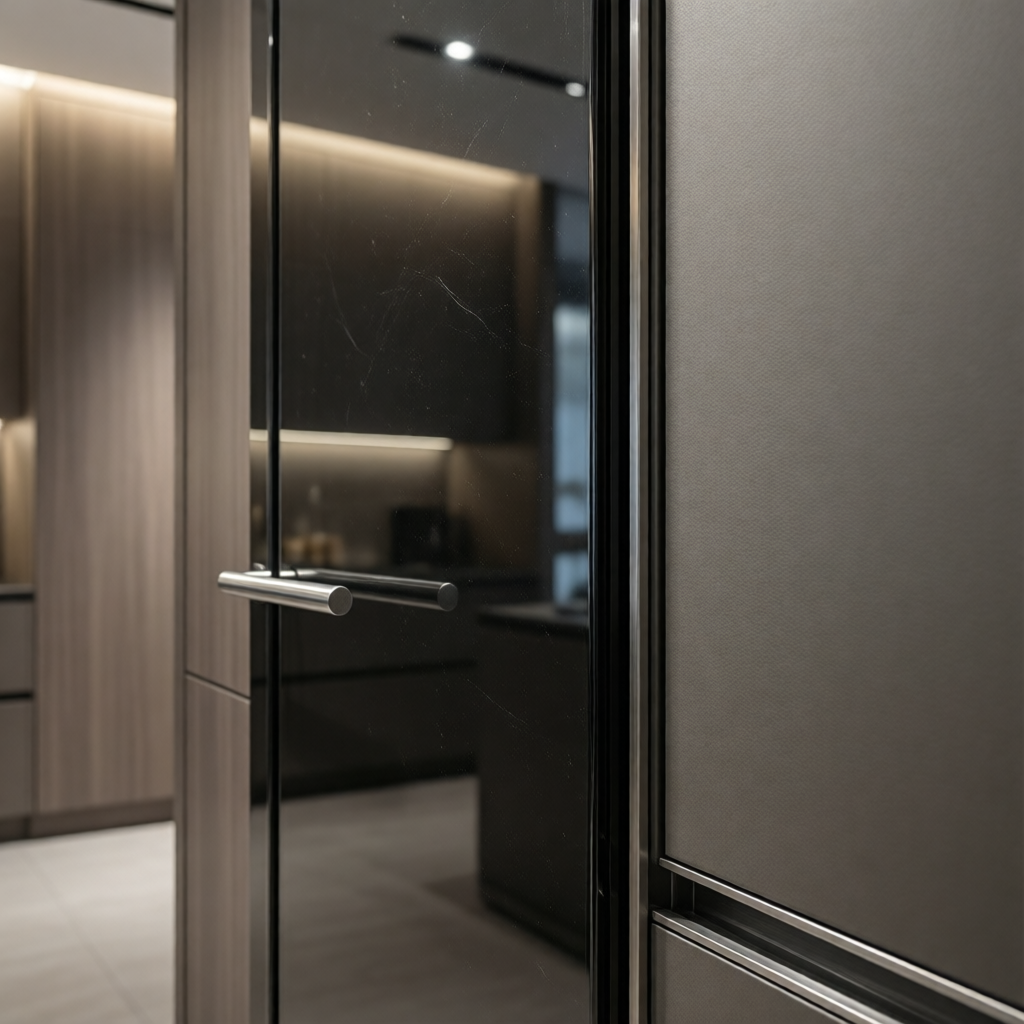
High-gloss UV-coated plywood cabinet door next to matte melamine MDF panel in luxury kitchen setting

UV-Coated Plywood: The Secret to High-End Cabinetry

UV-Coated Plywood vs MDF: Best Lumber for High-End Cabinetry Selecting the right engineered lumber for high-end cabinetry dictates both the structural longevity and the premium finish of the final installation. This article compares UV-coated plywood and melamine-faced MDF, providing procurement managers with the exact density, emission, and loading specifications needed to optimize supply chain costs […]

UV-Coated Plywood: The Secret to High-End Cabinetry Read More »
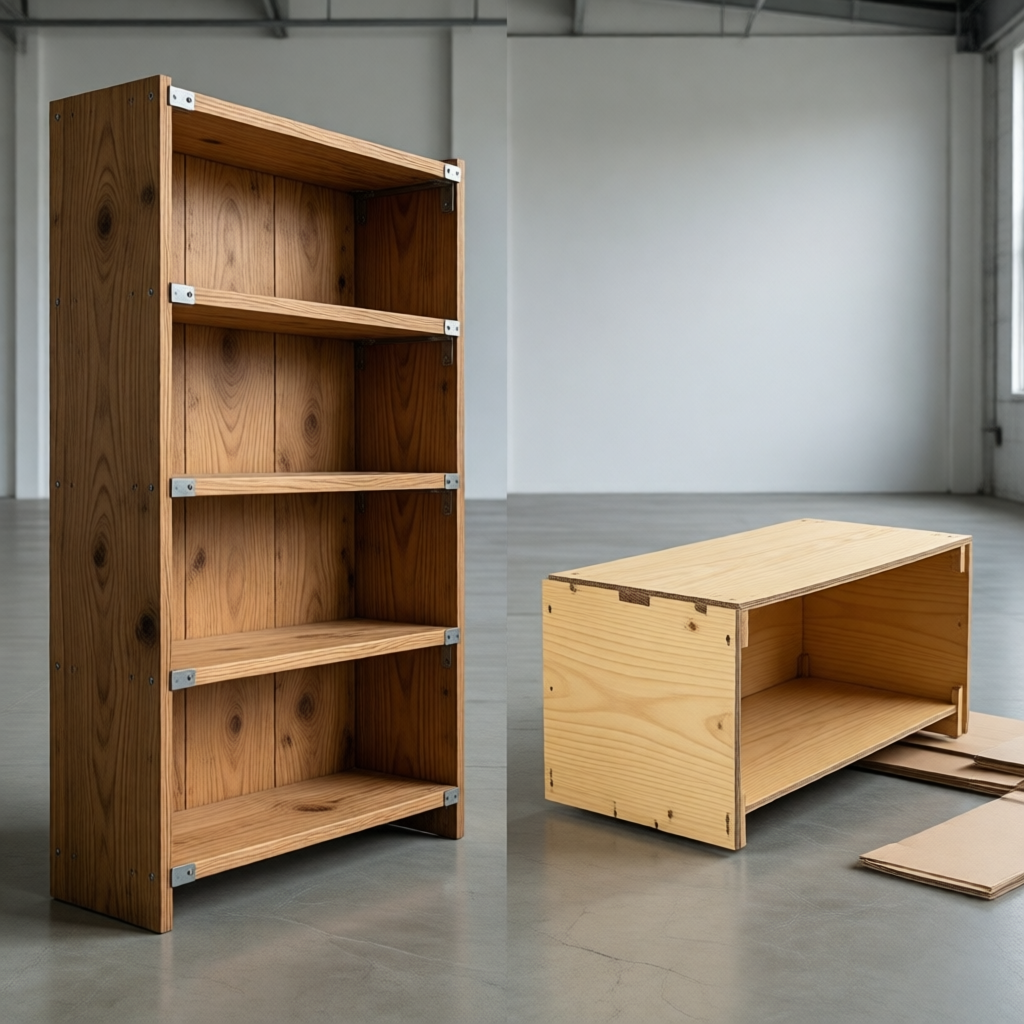
Side-by-side comparison of heavy-duty birch plywood shelving and lightweight eucalyptus flat-pack furniture

Birch vs. Eucalyptus Core: Why Density Matters

Birch vs. Eucalyptus Core Lumber: Density and Load Data Selecting the right core material for structural plywood dictates the long-term mechanical performance and weight distribution of your final assembly. This analysis breaks down the exact density thresholds, screw-holding capacities, and moisture tolerances of birch versus eucalyptus cores to help procurement teams eliminate field failures and

Birch vs. Eucalyptus Core: Why Density Matters Read More »

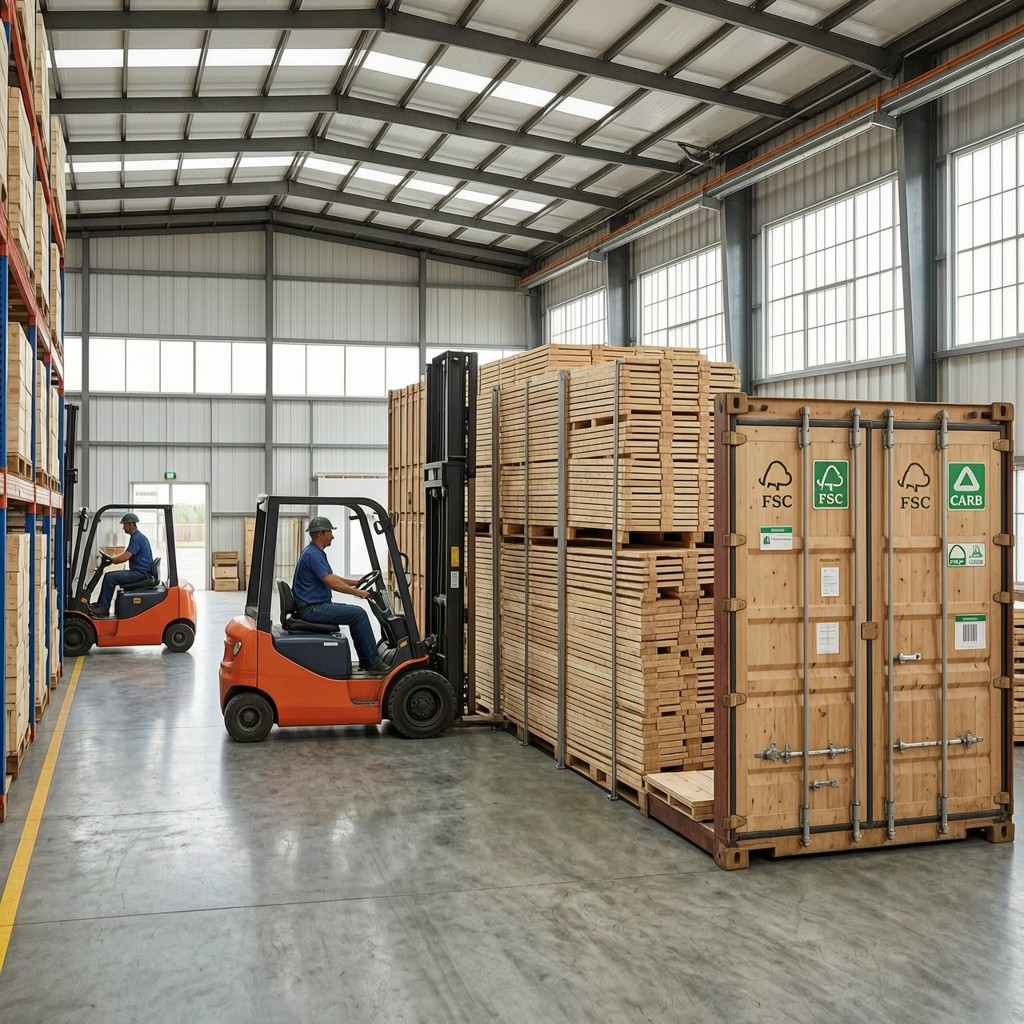
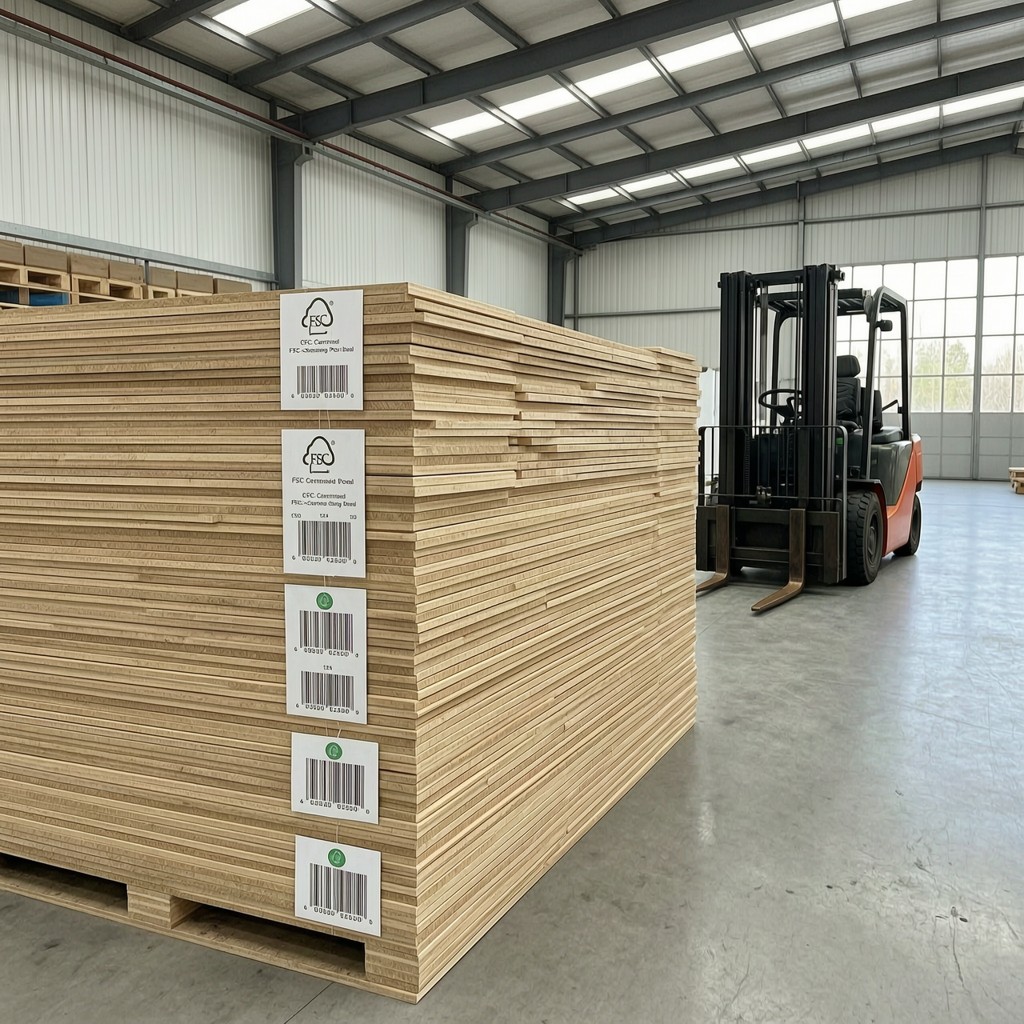
FSC-certified plywood inventory with Chain of Custody documentation at Yicaiyigou facility

Birch vs. Eucalyptus Core: Why Density Matters

Specification Birch Core Eucalyptus Core Primary Application Focus High load-bearing capacity; heavy-duty structural use Lightweight durability; furniture and general construction Density Profile High volumetric density (Hardwood) Moderate to High density (Optimized for weight/strength ratio) Screw-Holding Power Excellent Good to Very Good Dimensional Stability High resistance to humidity changes Stable, but requires precise engineering for high-humidity

Birch vs. Eucalyptus Core: Why Density Matters Read More »

Logistics operation showing FSC certified plywood loading for export

UV-Coated Plywood: The Secret to High-End Cabinetry

Feature Standard Structural Plywood UV-Coated Luxury-Grade Plywood Surface Finish Raw, sanded, or laminated with variable gloss Consistent high-gloss, flawless reflective surface Durability Moderate scratch resistance; prone to wear Superior scratch resistance; withstands daily wear without chipping Aesthetic Stability May yellow or degrade over time Resistant to yellowing; maintains visual flawlessness Formaldehyde Compliance Varies by manufacturer

UV-Coated Plywood: The Secret to High-End Cabinetry Read More »
1.2mm plywood for luxury packaging showing precise edge grain and premium finish

1.2mm Ultra-Thin Plywood: Uses in Premium Packaging

Material Type Structural Integrity Weight Profile Dimensional Stability Sustainability & Compliance Manufacturing Compatibility 1.2mm Ultra-Thin Plywood High rigidity; engineered for premium box structures Lightweight; reduces logistics and shipping costs High; resistant to warping compared to solid wood Engineered for minimal environmental impact; meets global compliance standards Excellent; compatible with high-precision CNC machining for intricate designs

1.2mm Ultra-Thin Plywood: Uses in Premium Packaging Read More »

Hardwood vs softwood veneer aesthetics comparison on inspection table

Hardwood vs. Softwood Face Veneers: Visual Comparison

Feature Hardwood Veneer Softwood Veneer Primary Aesthetic Character Complex grain patterns, rich textures, biophilic warmth Uniform grain, lighter tones, subtle texture Density & Structural Stability Higher density; superior dimensional stability Lower density; moderate stability Compatible Substrates Precision MDF (600-800 kg/m³), Structural Plywood High-Density Particleboard (550-750 kg/m³), Standard Plywood Finishing Behavior Requires precise sanding; accepts stains

Hardwood vs. Softwood Face Veneers: Visual Comparison Read More »

Melamine paper texture durability specs showing bond quality on MDF core

The Evolution of Melamine Paper: Textures and Durability

Specification Category Key Metric / Standard Impact on Procurement & Compliance Surface Durability Melamine Paper Texture & Abrasion Resistance Determines longevity in high-traffic retail fixtures; reduces return rates due to wear. Core Substrate Precision MDF Density (600-800 kg/m³) Ensures structural stability and proper bonding with decorative layers; critical for preventing delamination. Environmental Compliance Formaldehyde Emission

The Evolution of Melamine Paper: Textures and Durability Read More »

Technical comparison of WBP vs MR glue chemical resistance under moisture stress

WBP vs. MR Glue: A Deep-Dive into Adhesive Chemistry

Feature WBP (Weather Boil Proof) MR (Moisture Resistant) Adhesive Chemistry Phenolic Resins Melamine-Urea Formaldehyde Primary Application Exterior / High-Humidity Environments Interior / Dry to Semi-Dry Environments Moisture Resistance Excellent (Withstands boiling water testing) Moderate (Resists humidity fluctuations) Risk of Delamination Very Low under stress/load High if used in exterior/wet conditions Cost Implication Higher (Over-specifying for

WBP vs. MR Glue: A Deep-Dive into Adhesive Chemistry Read More »

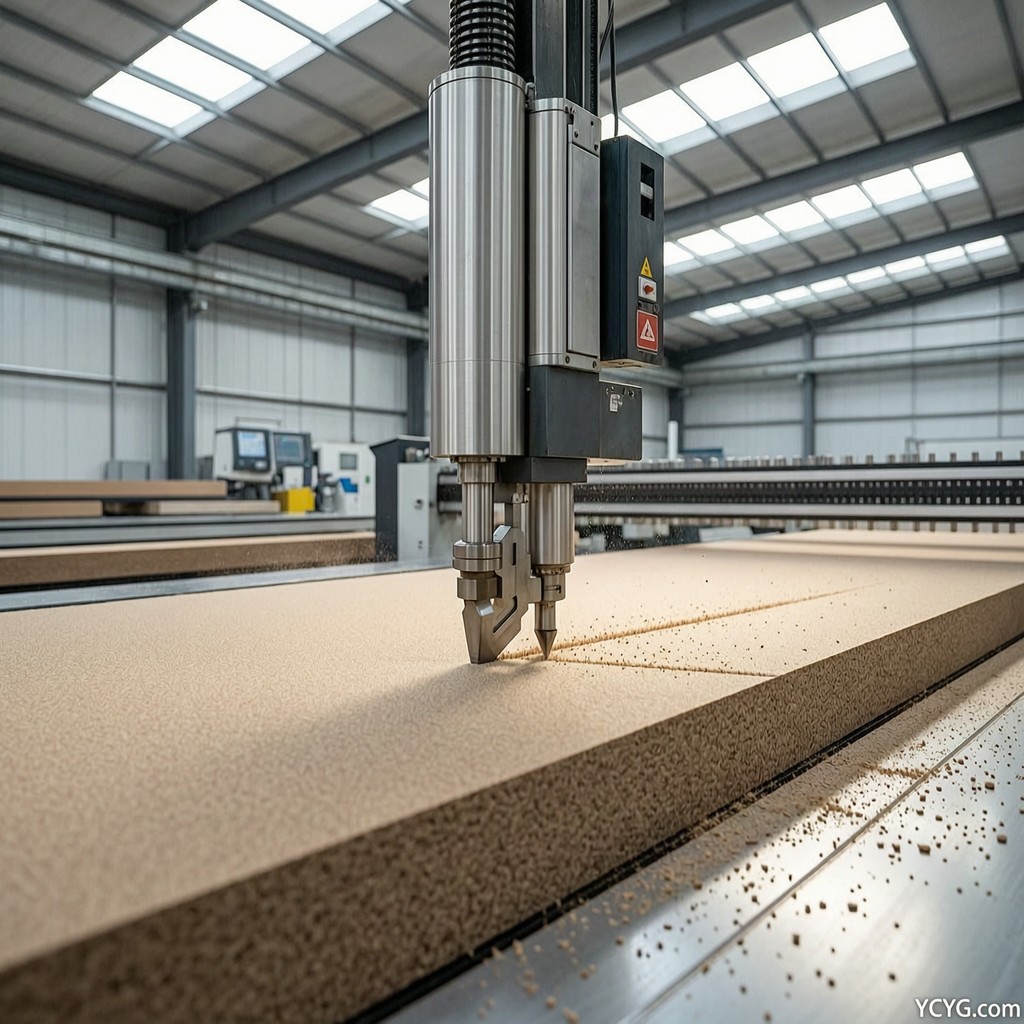
Cross-section comparison of HDF and MDF density for door manufacturing

Understanding HDF: Why Door Manufacturers Prefer It over MDF

Feature Medium-Density Fiberboard (MDF) High-Density Fiberboard (HDF) Density Range 600–800 kg/m³ > 800 kg/m³ Screw-Holding Capacity Moderate (Prone to pull-out in heavy-duty applications) Superior (Ideal for modern architectural hardware) Surface Finish Standard smoothness Ultra-smooth (Optimized for precision machining and automated finishing) Structural Integrity Suitable for lightweight cabinetry High resistance to delamination and swelling; suitable for

Understanding HDF: Why Door Manufacturers Prefer It over MDF Read More »

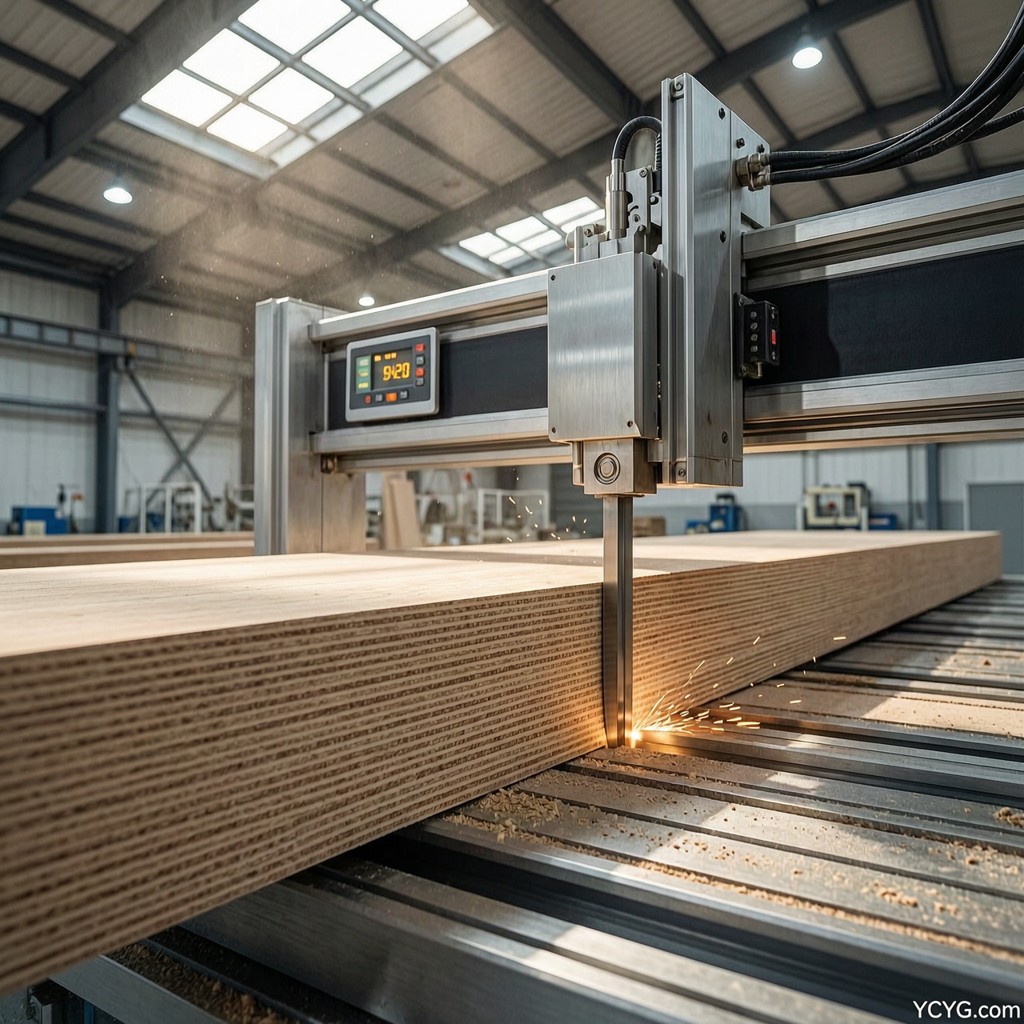
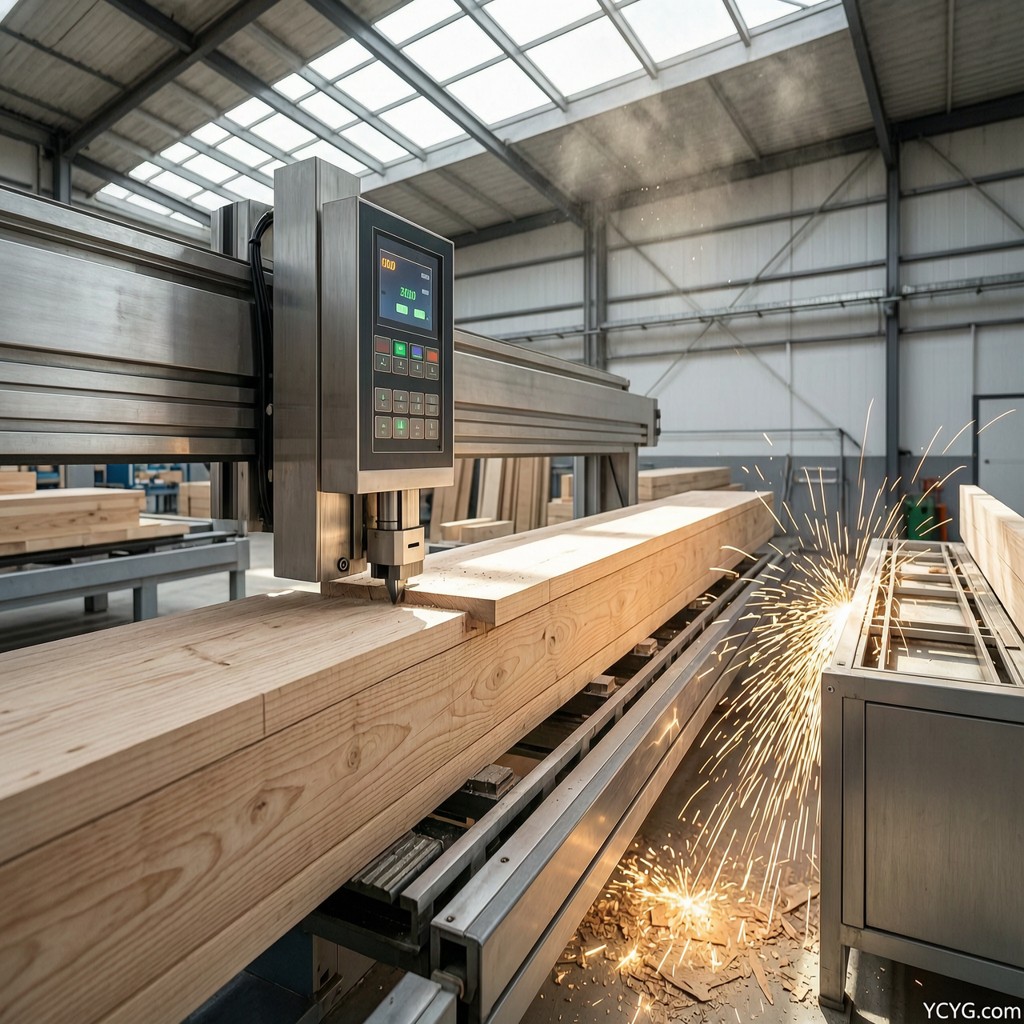
Comparison of solid wood planks versus uniform engineered wood panels in a factory setting

Engineered Wood vs. Solid Wood: The Cost-Performance Debate

Feature Solid Wood Engineered Wood (MDF/Plywood/Particleboard) Primary Use Case Aesthetic surfaces, high-end furniture, structural beams Internal components, casework, high-volume manufacturing Dimensional Stability Low (prone to warping/expansion with humidity changes) High (consistent performance, minimal expansion) Pricing Volatility High (subject to raw timber market fluctuations) Low (predictable pricing, optimized for scale) Regulatory Compliance Focus on sourcing legality

Engineered Wood vs. Solid Wood: The Cost-Performance Debate Read More »