Loading Precision MDF into 40HQ container with moisture control measures

Preventing Moisture Damage in 40HQ Shipments

Factor Standard/Passive Approach Engineered Protocol (Recommended) Wood Moisture Content (MC) Variable; often loaded at ~14% MC Stabilized at 12-15% per ISPM 15 standards Relative Humidity (RH) Target Uncontrolled; susceptible to tropical dew points Maintained below 70% via active climate control Cargo Loss Rate 15-20% due to mold and condensation damage Near 0% with pre-shipment audits […]

Preventing Moisture Damage in 40HQ Shipments Read More »

Diagram showing condensation risks and humidity control in container loading patterns for panels

Container Loading Patterns: Avoiding Damaged Panels

Product Type Density Range (kg/m³) Primary Transit Risk Critical Mitigation Protocol Rejection Consequence Precision MDF 550 – 750 Hygroscopic swelling at exposed edges Maintain <60% RH with high-volume desiccants Irreversible edge swelling Structural Plywood 600 – 800 Corner crushing from dynamic G-forces Integration of load-securing hardware in packaging Structural integrity failure High-Density Particleboard 700 –

Container Loading Patterns: Avoiding Damaged Panels Read More »

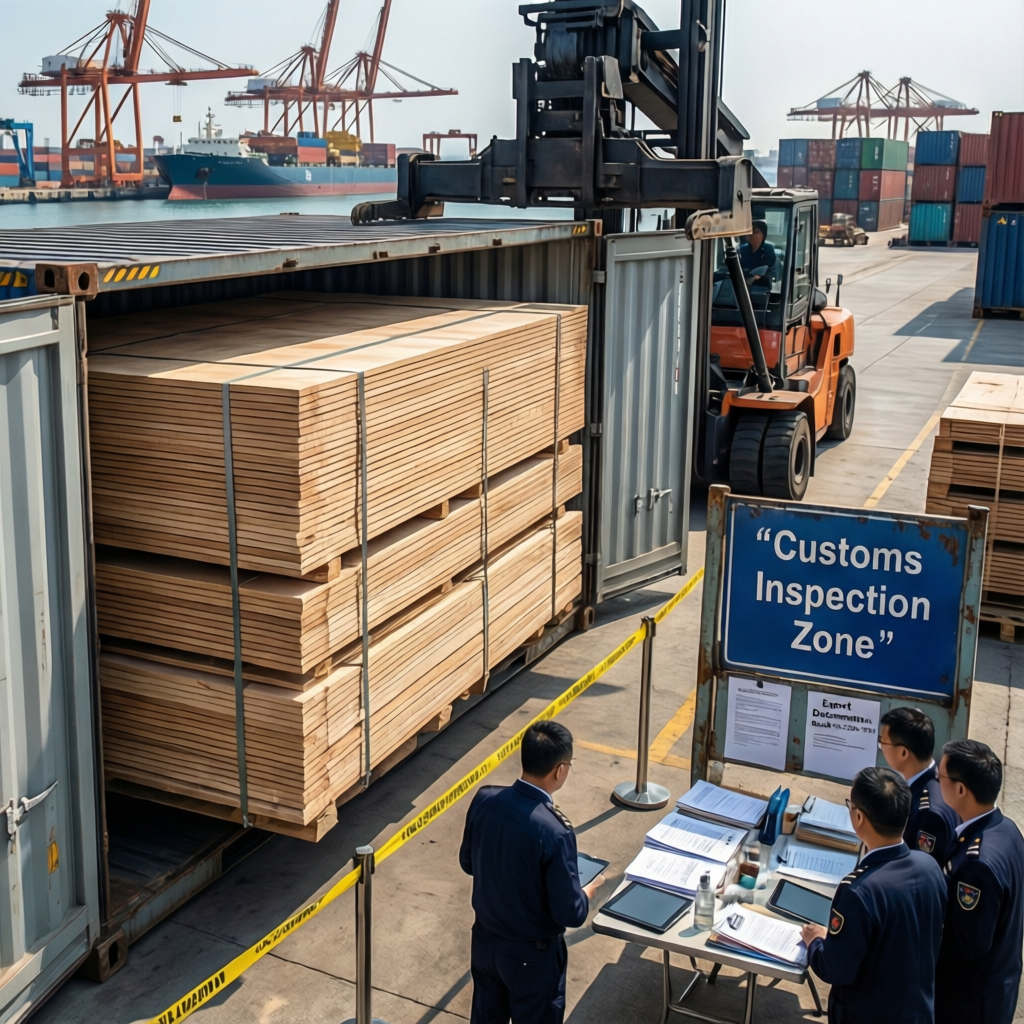
Shipping container loading engineered wood panels for export at a Chinese port with customs documentation

How to Negotiate FOB vs. CIF Terms Successfully

Feature FOB (Free On Board) CIF (Cost, Insurance, Freight) Freight Control Buyer selects carrier; full visibility Supplier selects carrier; limited visibility Insurance Coverage Buyer arranges; customizable limits Supplier arranges; typically minimum cover Risk Transfer Point When goods cross ship’s rail at origin When goods arrive at destination port Cost Transparency High; separate freight and product

How to Negotiate FOB vs. CIF Terms Successfully Read More »

Busy container terminal illustrating Qingdao vs Lianyungang port logistics operations

Managing Port Logistics: Qingdao vs. Lianyungang

Logistics Metric Qingdao Port Lianyungang Port Primary Hinterland Shandong Province, Central China Jiangsu Province, Northwest China Terminal Efficiency High throughput; advanced automation reduces turnaround time Moderate throughput; potential for congestion during peak seasons Rail Connectivity Extensive network connecting to inland manufacturing hubs Key node for New Eurasian Land Bridge; strong rail links to northwest Demurrage

Managing Port Logistics: Qingdao vs. Lianyungang Read More »

Split screen comparing sourcing agent paperwork chaos vs direct factory digital precision

The Role of Sourcing Agents vs. Direct Factory Contact

Feature Sourcing Agents Direct Factory Contact (e.g., Yicaiyigou) Cost Structure Higher landed costs due to intermediary markups and service fees. Optimized pricing by eliminating middlemen; direct factory rates. EUDR Compliance & Traceability Potential information asymmetry; reliance on third-party assurances for Chain of Custody (CoC). Direct access to verifiable data on formaldehyde emissions, density, and CoC

The Role of Sourcing Agents vs. Direct Factory Contact Read More »

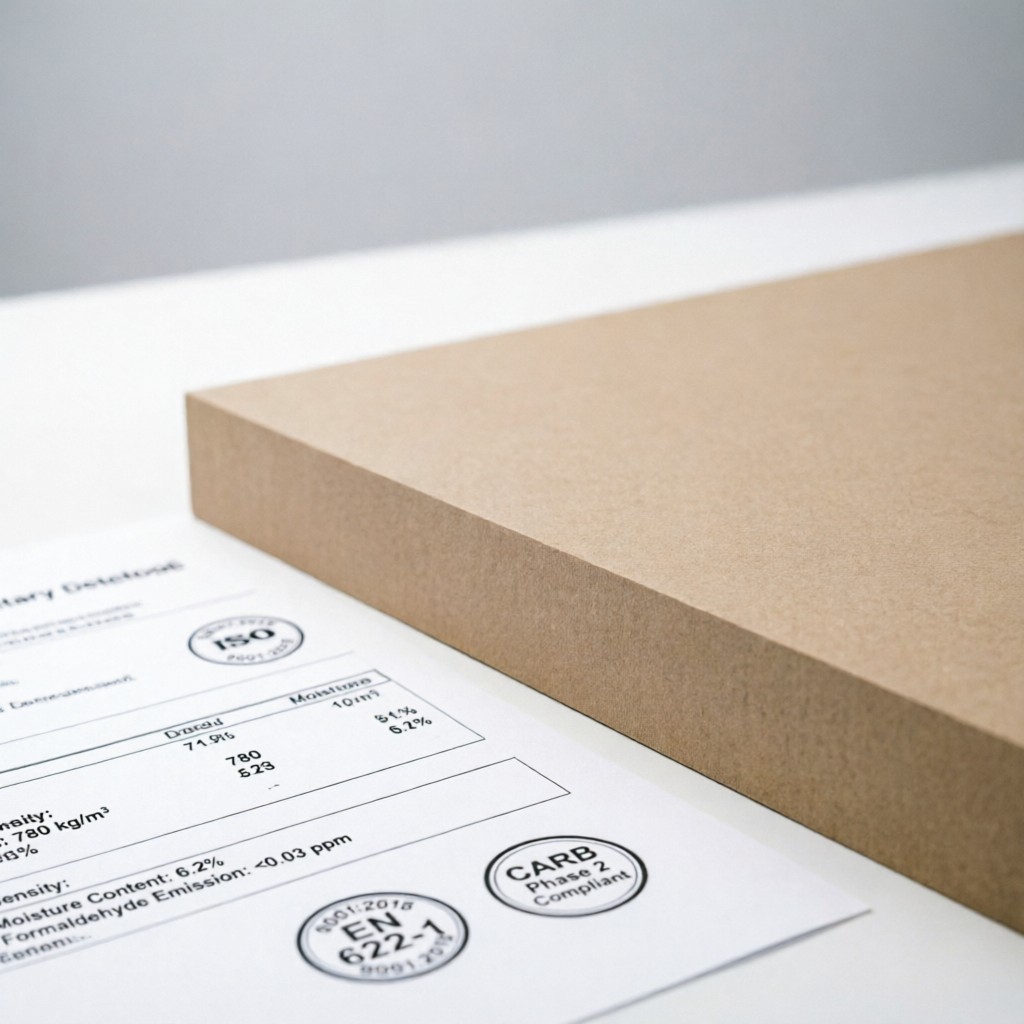
Procurement manager reviewing chinese factory lab report data for MDF compliance

How to Read a Chinese Factory’s Lab Test Report

Standard / Regulation Primary Testing Method Key Threshold / Limit Target Market / Application Risk of Non-Compliance CARB P2 (California Air Resources Board) Chamber Method (ASTM E1333) ≤ 0.05 ppm (Formaldehyde) California, North America Customs rejection, sales ban in CA EUDR (EU Deforestation Regulation) Geolocation & Supply Chain Traceability Zero deforestation post-2020 European Union (Effective

How to Read a Chinese Factory’s Lab Test Report Read More »

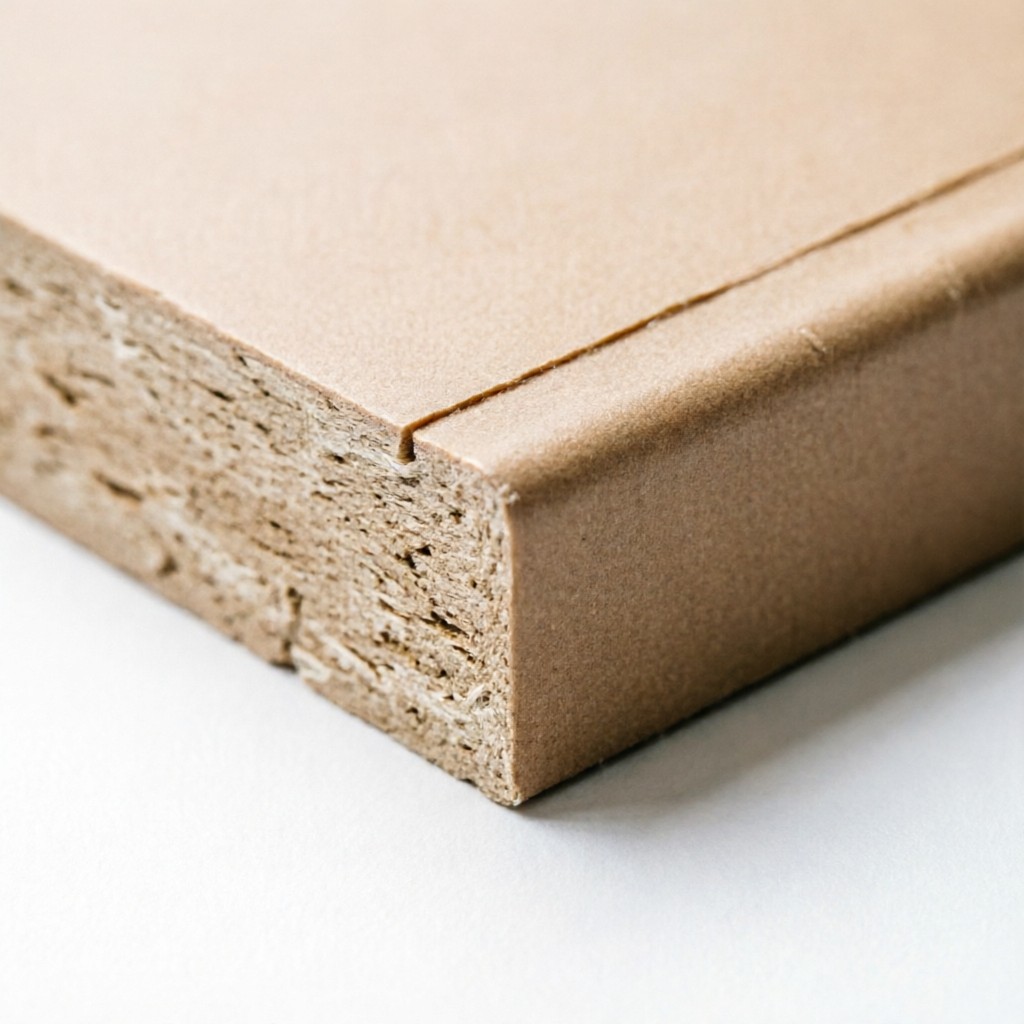
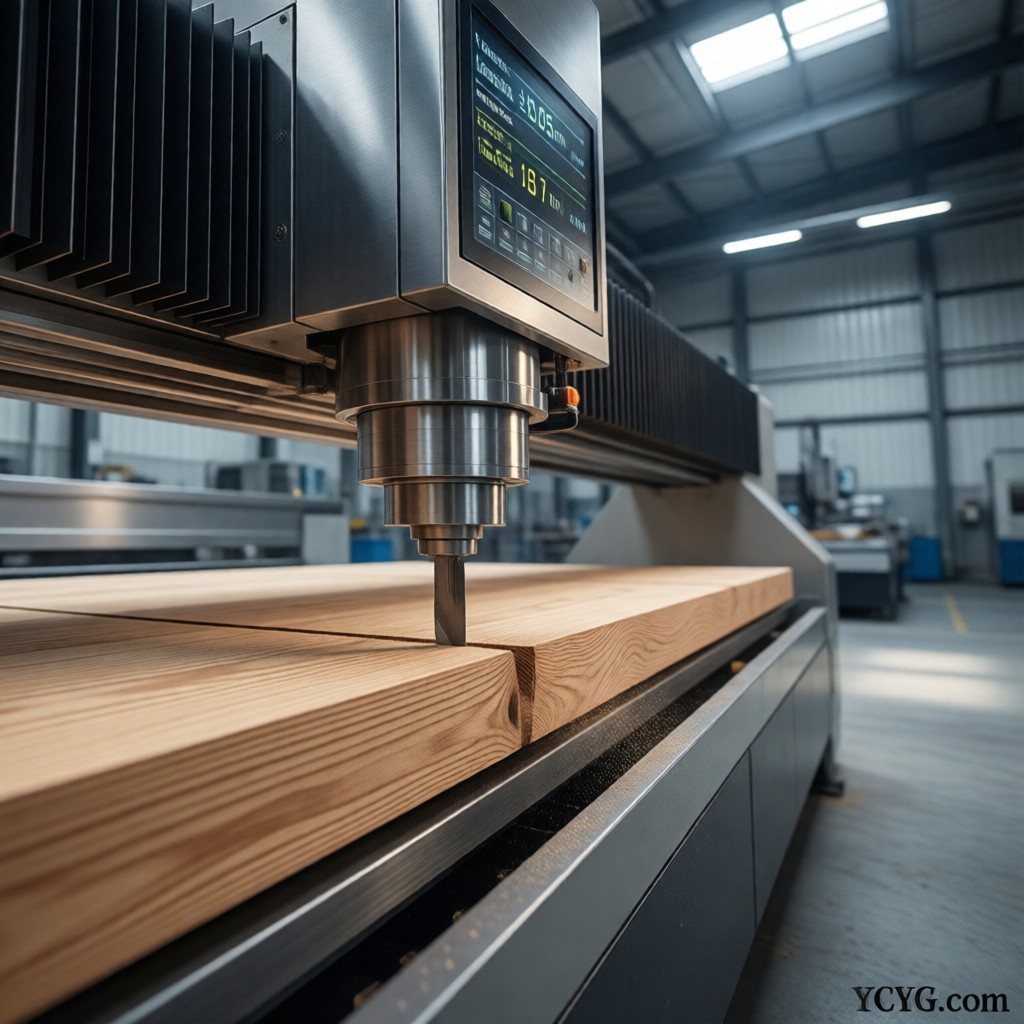
Technical comparison of edge banding adhesion on MDF and plywood substrates in factory setting

Edge-Banding Compatibility with Engineered Wood

Substrate Type Density Range (kg/m³) Surface Characteristics Adhesive Requirements Primary Application Context Precision MDF 600 – 800 Uniform, non-porous Standard hot-melt adhesives High-aesthetic minimalist cabinetry High-Density Particleboard 550 – 750 Heterogeneous, contains voids Higher viscosity adhesive for penetration General furniture manufacturing Structural Plywood N/A (Layered Veneers) Layered structure, variable porosity Specialized bonding for thermal/mechanical stress

Edge-Banding Compatibility with Engineered Wood Read More »

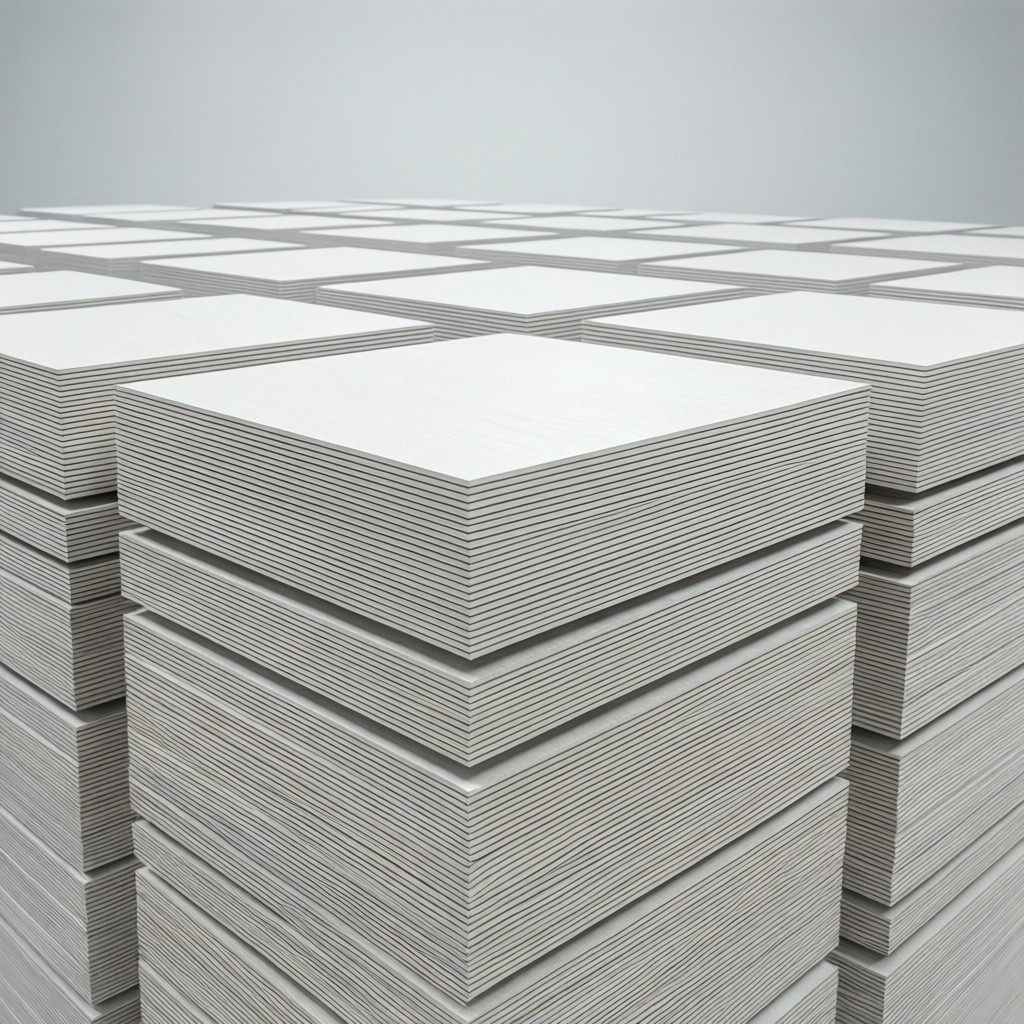
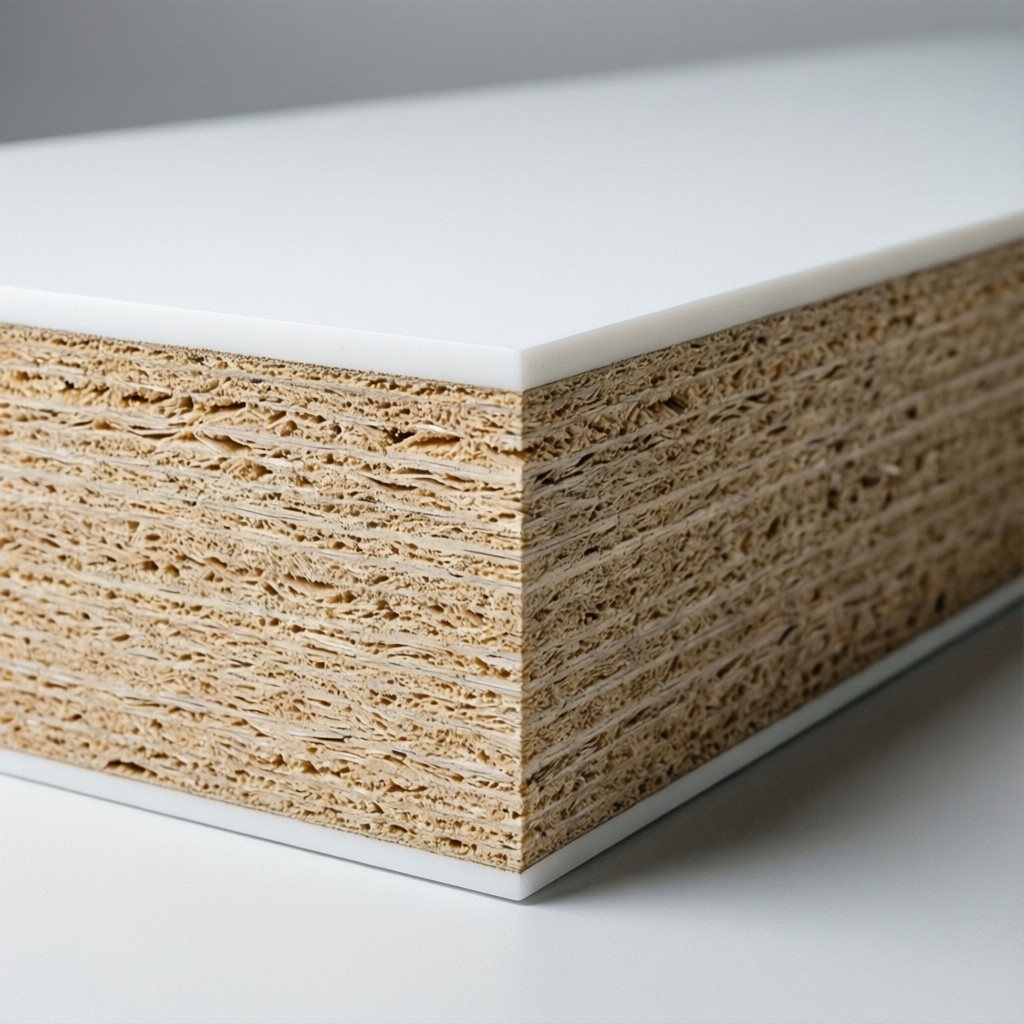
Cross-section of melamine board substrate density specifications showing core layers

The Anatomy of a High-Quality Melamine Board

Standard / Regulation Primary Focus Key Requirement / Benchmark Business Impact E0 Standard Formaldehyde Emissions Ultra-low formaldehyde release (≤ 0.5 mg/L) Ensures indoor air safety; meets strict European and Asian market requirements. ENF Standard Formaldehyde Emissions No Formaldehyde Added (highest tier of safety) Prevents customs delays in regulated markets; aligns with global health benchmarks. CARB

The Anatomy of a High-Quality Melamine Board Read More »

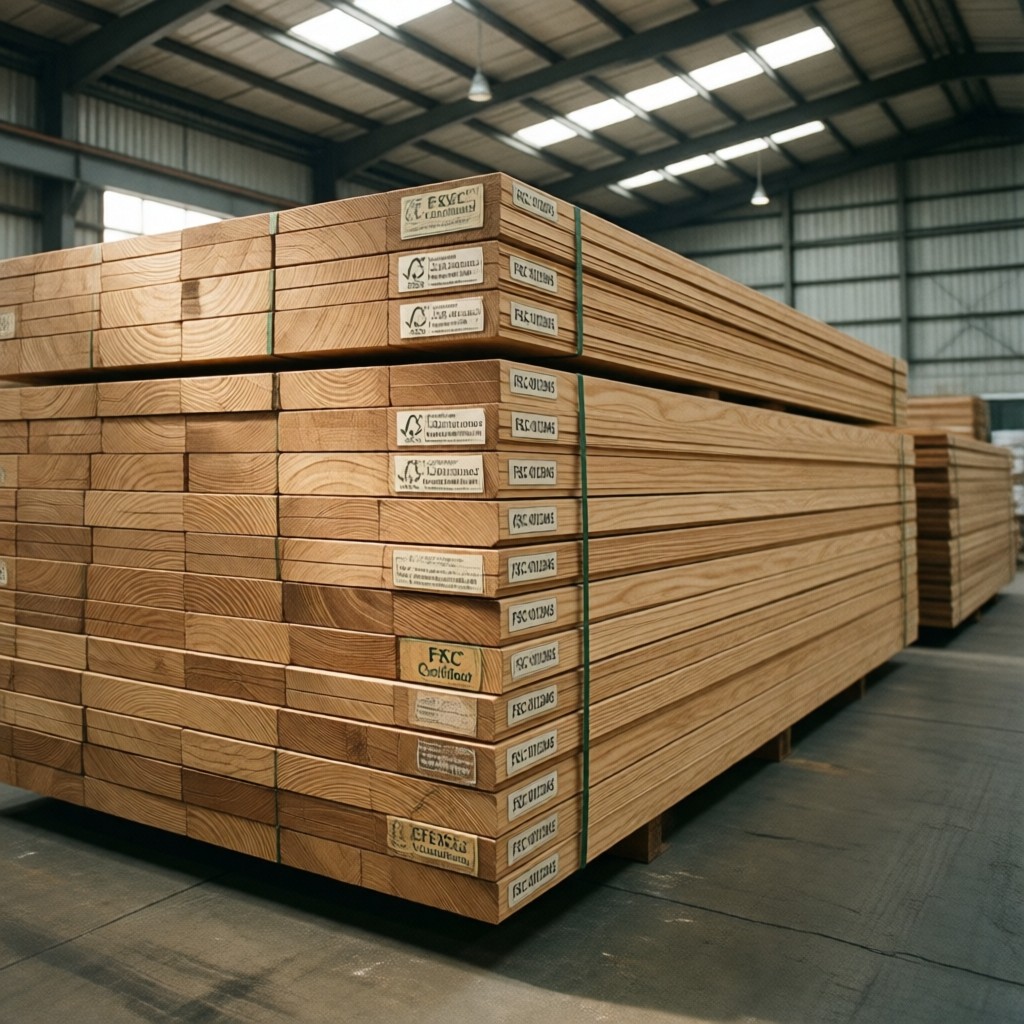
FSC-certified panels with Chain of Custody labels in warehouse

Polyester Plywood: Benefits for High-Gloss Finishes

Feature Polyester Plywood Standard Substrates (MDF/Particleboard) Dimensional Stability High cross-directional stability; resists warping under coating tension Prone to bowing, cupping, or twisting due to lower density and lack of cross-grain structure Surface Finish Compatibility Ideal for high-gloss, mirror-like finishes; minimizes visual distortion and telegraphing Risk of surface imperfections amplifying under high-build glossy coatings Coating Tension

Polyester Plywood: Benefits for High-Gloss Finishes Read More »

Poplar vs pine wood core density comparison showing grain structure differences in lab setting

Poplar vs. Pine: Understanding Softwood Core Characteristics

Specification Poplar Core Pine Core Density Profile Uniform density; minimal variation Higher structural rigidity; variable density Dimensional Stability High stability under humidity loads Moderate; prone to swelling/shrinking if not treated Surface Quality Minimal grain telegraphing; smooth finish Risk of resin bleed and surface irregularities Machining Tolerance Excellent for CNC routing and edge-banding Good, but requires

Poplar vs. Pine: Understanding Softwood Core Characteristics Read More »